Trenton Water Works is turning to a temporary workaround to help keep water flowing.
The utility announced today that it will deploy a temporary high-capacity pumping system at its Delaware River filtration plant in Trenton as a precautionary measure while independent engineers review the performance of its raw water intake during extreme cold weather.
The utility said three high-capacity pumps will be staged at the Route 29 South filtration plant to allow operators, if necessary, to bypass the submerged river intake and deliver raw water directly into the treatment process.
TWW said that this will help ensure uninterrupted service to its more than 200,000 customers across Trenton and surrounding municipalities.
“This is not our preferred method of operation, but it is the most reliable way to ensure continuity of service while we complete a comprehensive, independent evaluation of the intake system,” said TWW chief Sean Semple.
Said Semple, who is director of the city’s Department of Water and Sewer, which operates TWW, “Protecting our customers’ water supply remains our top priority.”
The announcement follows a winter marked by frazil ice disruptions at the intake, delayed public notification, and state regulatory intervention after raw water access was impaired and storage levels dropped toward critical thresholds.
Frazil ice — a slushy accumulation of ice crystals that forms in supercooled, turbulent river water — clogged multiple intake screens on Dec. 12, forcing a temporary shutdown of the filtration plant’s intake system.
According to correspondence from the state Department of Environmental Protection, the shutdown, combined with ongoing water main breaks and planned intake cleaning, caused water levels at the Pennington Avenue Reservoir to fall below normal operating ranges.
DEP described the intake as a critical point of failure and directed the utility to issue water conservation advisories, postpone nonessential intake work until warmer months, and provide daily operational updates through March.
Internal DEP emails showed that regulators ordered the utility to shut down its interconnection supplying water to Aqua New Jersey in order to preserve remaining storage for its primary service area.
In one email dated Dec. 15, DEP staff described the reservoir as having roughly one day of storage remaining and directed the utility to close the Aqua interconnection, open an interconnection with New Jersey American Water to bring water into the system, and continue conservation measures until conditions stabilized.
Trenton Water Works did not publicly disclose the shutdown of the Aqua interconnection at the time.
Earlier this month, the utility announced it had resumed supplying millions of gallons of finished drinking water per day to Aqua New Jersey, emphasizing the flexibility of its regional system, but did not reference the earlier shutdown or DEP directives that prompted it.
The new interim pumping plan mirrors an approach used during extreme cold weather last winter, when frazil ice again impeded intake performance.
From Jan. 15 through March 7, 2025, operators were required to bypass the intake and rely on diesel-powered pumps after frazil ice reduced system capacity.
That approach, approved by DEP, allowed the plant to continue producing approximately 33 million gallons of drinking water per day while maintaining nearly three days of reservoir storage, according to the utility.
The raw water intake currently in service was completed in 2022 at a cost of approximately $9 million and was designed by engineering firm Mott MacDonald to replace a concrete intake dating back to 1954.
The project was intended to improve system resilience, including during cold-weather conditions, but Trenton Water Works said operational data and inspections have shown the intake did not perform as expected during extreme cold.
Based on internal reviews and consultations with subject-matter experts, the utility said it found no evidence that operator actions caused the reduced performance observed last winter.
Instead, officials said the conditions revealed design and system limitations that were not fully anticipated in the intake’s current configuration.
Last month, the utility issued a request for proposals seeking an independent engineering firm with experience designing and evaluating river-based surface water intakes in cold-weather climates.
The selected firm will assess the intake’s design, construction, and hydraulic performance and recommend modifications or supplemental systems to improve long-term reliability, a process expected to take multiple years.
The utility said it has briefed DEP on its winter operations plan and will continue coordinating with regulators as it advances permanent improvements.
Meanwhile, litigation litigation involving Trenton Water Works continues in state Superior Court, with all suburban municipalities served by the utility now party to a lawsuit alleging longstanding operational failures, governance problems, and risks to public health.
Earlier this year, a judge lifted a stay and allowed discovery to proceed after determining the city had not complied with state administrative orders related to the system. Discovery is expected to continue into late 2026.
As winter conditions persist, suburban officials and regulators have warned that the system’s narrow operating margins and aging infrastructure leave little room for error if another prolonged intake disruption occurs.
“This is not our preferred method of operation, but it is the most reliable way to ensure continuity of service,” Semple said.
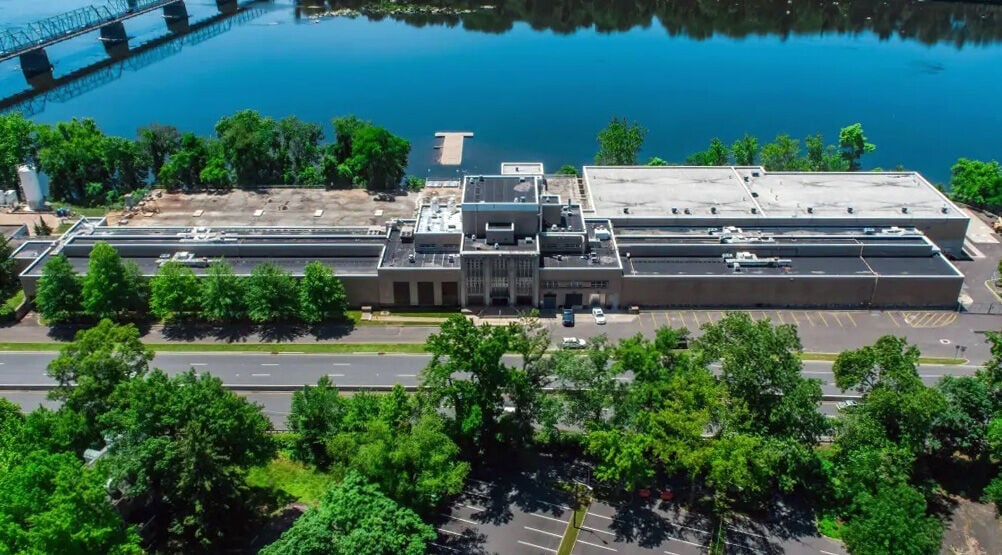
Trenton Water Works water filtration plant on the Delaware River. (Photo by Michael Walker courtesy of TWW.),

