Music is a language of its own, one that every person feels a different connection to. Some are reborn in the chords or chorus of a triumphant melody, while others seek rhythmic clarity, release, or comfort. It is an entirely personal experience to love a piece down to its every note—an intimate diary entry of what truly listening to music can mean for its audience.
But Princeton University Concerts sings a new tune this year by combining its annual “Creative Reactions” and “Audience Voices” competitions into a new creative writing project encouraging writers across the globe to express their unique bonds with music in journal responses thematically related to past and future PUC “Healing with Music” series events.
The 2023–24 “Impromptu Challenge” is the result of a partnership between PUC and The Isolation Journals, described on its website as “an artist-led community and publishing platform” that shares its weekly journaling prompt newsletter with over 100,000 participants worldwide.
Since writer and Princeton University alum Suleika Jaouad founded the Isolation Journals during the pandemic, the group has grown into “a living archive of human creativity to document an unforgettable era” under the belief that “creative expression” can “edify, heal, and unite,” according to theisolationjournals.com.
The Impromptu Challenge encompasses both the 2023–24 “Creative Reactions” contest, which connects Princeton University students to the performing arts and classical music, as well as “Audience Voices,” a writing and drawing contest for patrons that began last season.
The journaling-styled competition began on December 3 with the announcement of its first prompt and will continue with one new topic each month in January and February 2024.
Jaouad had just graduated from Princeton University when she was diagnosed with leukemia in 2010. Throughout her cancer treatments, she wrote the New York Times column “Life, Interrupted,” largely from her hospital room.
Now, after receiving an Emmy for the video series adaptation of those times and publishing the bestselling memoir “Between Two Kingdoms,” Jaouad returns to PUC on the heels of a sold-out November 15 “Healing with Music” event with her husband, Grammy-winning musician and composer Jon Batiste, “The Beat Goes On: Healing from Cancer through Music.”
The idea for the inaugural month’s “Impromptu Challenge” takes inspiration from that day, which doubled as a bone marrow donor drive on campus held in conjunction with Princeton’s Office of Community and Regional Affairs and the National Marrow Donor Program’s “Be The Match” donor registry.
According to the Be the Match website, “ethnically diverse” patients diagnosed with blood cancers and disorders must navigate a longer, more challenging process to find unrelated donors for blood stem cells and marrow transplants due to lower donation rates—a barrier that is even greater for people of mixed ethnicities like Jaouad.
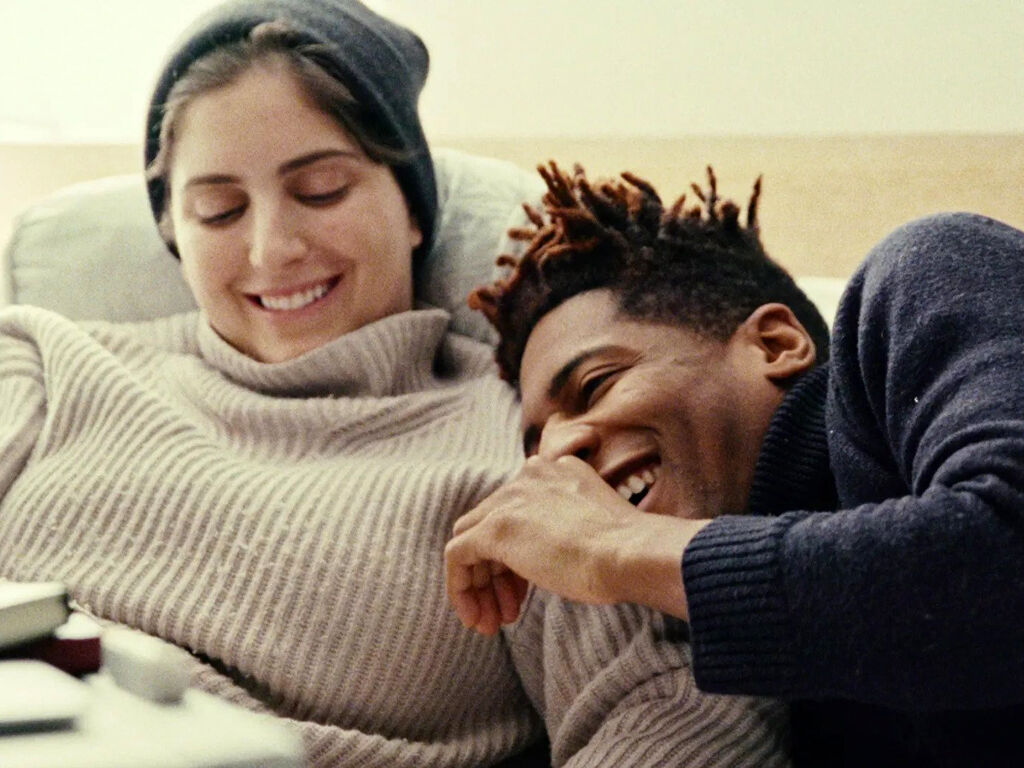
Jaouad and Batiste’s tale of love, survival, and creativity was the subject of the biographical documentary “American Symphony,” which debuted on Netflix in late November and follows many of the ideas discussed at the couple’s November “Healing with Music” event.
Director Matthew Heineman’s film captures how, just as Batiste is recognized with 11 Grammy nominations—five of which he would win—and an Oscar for co-writing the score for Pixar’s “Soul,” Jaouad’s cancer returns after being in remission for almost a decade.
Batiste sits on the cusp of composing and practicing for the biggest one-night orchestral performance of his life at Carnegie Hall as Jaouad encourages him to continue, resuming her fight against leukemia while undergoing another bone marrow transplant.
Despite being in contrasting circumstances, the couple’s story depicts creativity as an expression of love and a cathartic, restorative force that ultimately strengthens their bond.
It is fitting, then, that Jaouad issued the following prompt: “Write about a time when music served as a healing force in your life or in the lives of those around you.”
To enter, participants must answer one of the three prompts by Friday, March 22, 2024, with separate categories for members of the general public and Princeton University students.
All entries must be submitted in PDF or Word document format with no reference to the author’s identity in the titles for anonymous evaluation by a panel of judges, as the PUC website continued, “from across the Princeton University campus and town community.”
Princeton University Concerts will feature all winners in online and print media publications, yet prize recipients who do not want to disclose their identities can be published anonymously.
While there are no submission limits for virtually all writers, anyone who has previously won the “Creative Reactions” or “Audience Voices” prizes must wait two years before registering again.
According to the PUC page for the challenge, which includes the submission portal, concerts.princeton.edu/impromptu-challenge, winners will receive the following prizes: an autographed concert poster signed by both Jaouad and Batiste; an original piece by Diana Weymar, founder of the Interwoven Stories project, featuring an embroidered excerpt from the submission; a copy of the Princeton University Press’ “Ways of Hearing: Reflections on Music in 26 Pieces” 2021 anthology; and more.
For additional information or inquiries, contact the Princeton University Concerts office at 609-258-2800 or pucmail@princeton.edu.
Future prompts will be directly related to topics raised in the final iterations of the 2023–24 “Healing with Music” series, such as the Sunday, March 3, “Dance for PD® (Parkinson’s Disease)” event, a Mark Morris Dance Group program that invites participants from local chapters of American Repertory Ballet’s “Dance for Parkinson’s” initiatives to perform adapted choreography together in an onstage concert collaboration and panel discussion. (For more information, see the November 2023 Six09 cover story, “Dance for Parkinson’s at ARB Leads a Choreography of Change” by Rebekah Schroeder).
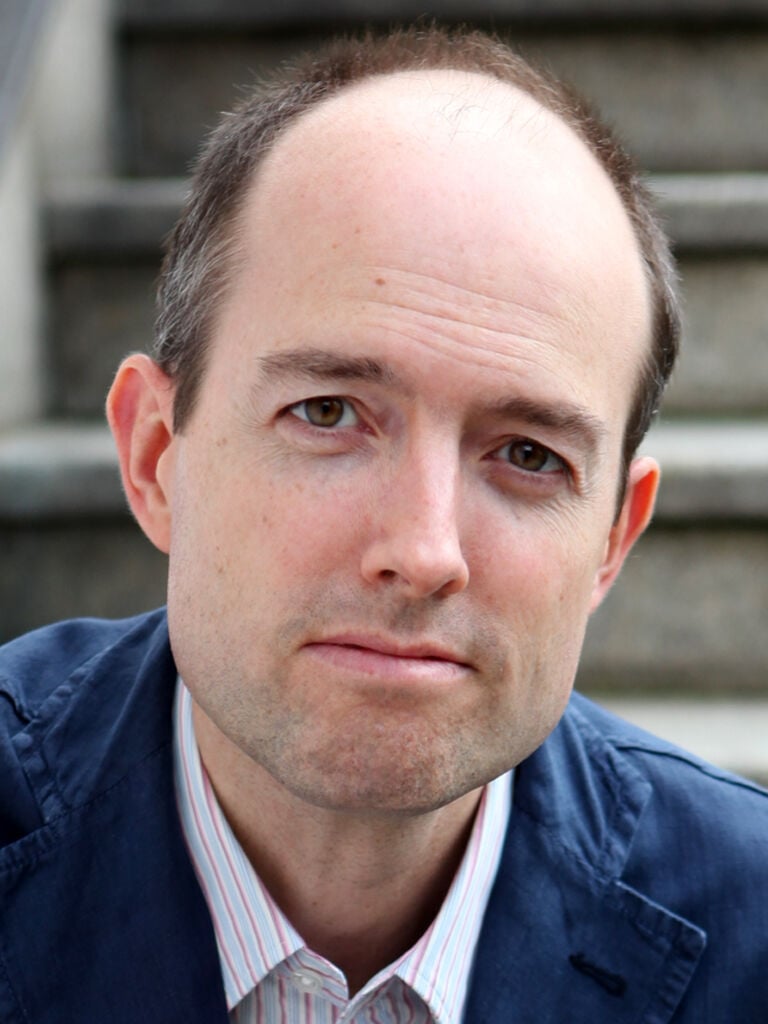
Winners will also be announced at the last “Healing with Music” event of the season, “Anxiety, Depression, and Music,” featuring pianist Jonathan Biss and writer Adam Haslett on Wednesday, April 24, 2024, at 7:30 p.m. in the Richardson Auditorium’s Alexander Hall.
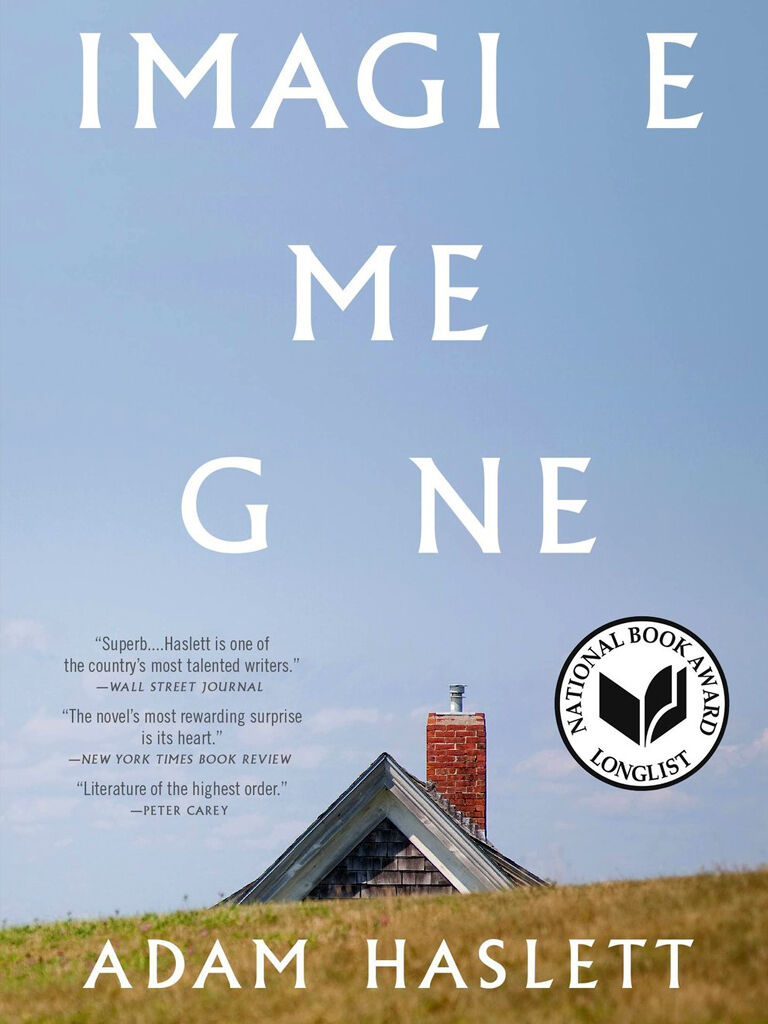
The program is described as “an intimate concert-conversation” with live performances of piano works by Franz Schubert and Robert Schumann, excerpts from Haslett’s 2016 novel, “Imagine Me Gone,” and a Q&A.
Tickets are $25 for the general public, $10 for students, and free for Princeton University students through the Passport to the Performing Arts program.
For more information, see the PUC website at concerts.princeton.edu/events/23-24-jonathan-biss-adam-haslett.
This event marks Biss’ return to the stage after appearing earlier in the month for PUC’s “Concert Classics” series alongside classical pianist and conductor Mitsuko Uchida on April 3.
Biss and Uchida are the co-artistic directors of the Marlboro Music Festival, a retreat where participants of all experience levels come to classically train, collaborate, rehearse, and eventually perform chamber music works together live in concert.
The duo’s debut show is already sold out, but the PUC website promises a “rare joint recital” focusing yet again on the work of Austrian composer Schubert, who was known for his “piano four hands” pieces where two musicians play one piano at the same time.
According to his biography, Biss concluded a “decade-long project recording all of Beethoven’s 32 piano sonatas” before the third-generation professional musician—the son of violinist Miriam Fried and violist-violinist Paul Biss, as well as the grandson of cellist Raya Garbousova—”took the rare step of publicly confronting a subject often considered taboo within the performing arts.”
In his memoir “Unquiet: My Life with Beethoven,” published in 2021 as part of Audible’s Words + Music series, Biss “described his struggles with crippling anxiety and the severe effects that a solitary performing career had on his mental health.”
Through his poignant examination of life as a pianist and Beethoven interpreter, Biss, as the website continued, “gave voice to the ways in which Beethoven—and music, in general—helped him heal from his anxiety as much as he had contributed to it.”
Haslett is a two-time Pulitzer Prize and National Book Award finalist with three fiction books to his name, as well as prior journalism experience covering culture and politics for papers like the New Yorker, Esquire, and more.
According to his PUC bio, “Imagine Me Gone” was described by Pulitzer Prize judges as “’the quiet and compassionate saga of a family whose world is shaped by mental illness and the challenges and joys of caring for each other.’”
“Drawing on his father’s suicide, Imagine Me Gone is the most personal book he has written—in his words, an attempt to ‘put the reader as far into the mind of someone with anxiety and depression as I can, and let them take from that what they will,’” the website continued.
Jaouad recorded her own response to the first “Impromptu Challenge” prompt on the Isolation Journals’ Substack page, theisolationjournals.substack.com, on December 3.
But before answering, she reflected on the experience of watching “American Symphony” with over 150 staff from the Memorial Sloan Kettering Cancer Center, where she underwent cancer treatments, as well as two of the nurses who had supported her when she was diagnosed “with leukemia at 22 and then again at 33.”
“It was such a full-circle moment to watch this film with the people who had walked through the valley with me. Illness usually has a clear beginning: the onset of symptoms, the diagnosis, the first day of treatment. But so often, the end of things is harder to pinpoint. This feels especially true for me this second time around, given the fact that I will be in treatment indefinitely. Spending the evening with these compassionate and dedicated humans felt like a culmination—like the most acute phase, the scariest phase, had come to an end.”
That same night was also when the Memorial Sloan Kettering Cancer Center announced its own partnership with Be the Match, titled “Join the Symphony,” which Jaouad explained as “a campaign to make the registry look like the orchestra in American Symphony—to reflect the beautifully diverse tapestry of these United States.”
“When I decided to take part in this documentary, my hope was that it might help others who are also facing great uncertainty. But as someone who has had two bone marrow transplants, I’ve also made it part of my mission to help expand and diversify the bone marrow registry. Currently the registry is marked by huge racial disparities: whereas a white person has a 79% chance of finding a match, a Black person has only a 29% chance, and statistics for people of mixed ethnicity like me are even lower,” she continued.
“My doctors did search the registry for a non-relative match this time, fearing that if my brother Adam was my donor again, I’d be more likely to relapse—but there wasn’t one. I’m fortunate that Adam was willing and able to donate again and that so far, the leukemia is at bay. But I’ve known too many people whose hope for a cure ended when they couldn’t find a match. And it’s with them in mind that I’m asking you to spread the word—to ask others to Join the Symphony.”
According to Be the Match, anyone ages 18 to 40 can donate blood stem cells with just a swab of the cheek. To join, donate, or learn more about the initiative, see the website at bethematchfoundation.org/site/SPageNavigator/JointheSymphony.
Jaouad then leads into her essay, which references the Princeton University Concerts program and reinforces its mission of expression:
“A few weeks ago, Jon and I had the honor of taking part in the “Healing through Music” concert series at my alma mater, Princeton University. That night, we talked about the many ways art sustains us through the hardest things, and I shared a story about Jon writing lullabies for me during my second bone marrow transplant. I often think of what Jon said in his Grammy acceptance speech a couple of years ago—about the special power of a song to reach people at a point in their lives when they need it most.
That’s what I wrote about, and what I’m inviting you to consider today.
Prompt 272. Lullabies
The winter of 2022, I lived a more intense version of isolation than I’d ever experienced. I was undergoing my second bone marrow transplant to treat a relapse of leukemia, and the chemo I had done to prepare for it had obliterated my immune system, leaving me with literally zero white blood cells.
In such a circumstance, being sequestered in a hospital bubble is a given. However, my transplant occurred during the covid omicron surge, so hospital restrictions were higher than normal and visitors were extremely limited.
Not only could I not leave the eighth floor of Memorial Sloan Kettering Cancer Center, but I also couldn’t see many of my beloveds.
For a period of time, this included my husband Jon. He had work obligations, and he could not avoid being exposed to all kinds of pathogens—from covid to the common cold—that could have killed me.
That he continued to work was a choice we’d made together months earlier, back when we learned my leukemia returned. We had many discussions about whether he would pull out of his obligations to be with me, and I had insisted he continue.
He had worked tirelessly from the time he was a teenager to get to that point, and the idea that he would miss out on this big moment because of my relapse was completely unacceptable to me.
Being apart was difficult for both of us, though in some ways, I believe it was even more difficult for Jon. He had to put on his professional face and move about the world when both his head and his heart wanted to be there at my bedside. But instead of wallowing in loneliness and despair, he came up with a creative solution.
He connected a small keyboard to his computer, and he began composing lullabies and sending them to me. They were improvised, raw, and beautiful. (One of them evolved to become “Butterfly,” one of my favorite songs on World Music Radio—which, no big deal, was nominated for a Grammy for Song of the Year.)
Lullaby. It comes from the words “lull,” as in “to soothe,” and “by,” meaning “near.” Lullabies are often written in triple meter, which is a swaying or rocking rhythm that mimics what a baby feels in the womb as its mother moves. Jon’s melodies provided that sort of comfort, that sense of security.
There was a week where I was in the most pain I’ve ever experienced, as close to the veil as I’ve ever been, suffering from three simultaneous infections—two in my bloodstream—and the whole time I played those gentle, mellifluous songs on loop, for hours and hours.
Hospitals are noisy places, with the constant beeping of monitors, the wheezing of respirators, the blaring alarms on IV poles. Jon’s songs were a welcome counterpoint to that soundtrack. But more than that, Jon found solace in the making of those lullabies, and I found so much in listening to them. I could feel his tenderness, his love, and his support. He wasn’t physically there, but he was present with me.”
The winners of the 2022–23 “Audience Voices” contest followed one of two prompts: “How has music served as a healing force in your life, or in the lives of those around you?” and “How has your relationship with music changed since the start of the pandemic?”
The grand prizes in creative writing were awarded to Eugenio Monjeau and Jacqueline Burkholder, while the honorable mention went to Lorraine Goodman.
According to her biography, “Burkholder is a Philadelphia-based vocalist training at Westminster Choir College. She has been a Princeton University Concerts patron for over a decade, and the Tenebrae Choir’s 2018 performance of Joby Talbot’s Path of Miracles in the Princeton University Chapel continues to resonate in her memory. Jacqueline entered the Audience Voices contest in hopes of winning the opportunity to see more such events, believing that attending live performances is a vital part of her music education.”
“She has passed on her passion for music to her delightful eight-year-old daughter and loves introducing her ‘to the wonders of the musical universe’ that she adores so much. Jacqueline shared: ‘It did me very much good to write out my story and try to see its potential universality. I am profoundly grateful to have been heard.’”
The following piece is Burkholder’s response to the first prompt:
How has music served as a healing force in your life?
“Sprouting on a sprawling Mennonite farm surrounded by fields of alfalfa and vegetables had its advantages. It was like growing up in the 19th century, quaint, resourceful, almost idyllic. Our clothes were homemade, sewn by my mother and older sisters. Food was homegrown, cooked with more love and less skill from vegetables and animals that grew around us.
Music was homemade. We sang as a family, eleven voices in four-part harmony singing hymns nearly everyday in the mini-service we called family worship. My siblings and I learned to play harmonica, riding dirt roads in a Buick Century on the way to a three-room church school where students would begin the day with devotional songs in four parts. Nighttime prayers were sung by our beds, our childish voices asking God to wake us with the morning light.
But endless repetitions of Amazing Grace and Great Is Thy Faithfulness eventually wore thin and I wanted more. I spent free time in school reading decades-old World Book Encyclopedia articles on Bach and Schoenberg, trying desperately to imagine how Schubert’s songs, purportedly the most beautiful in the world, must sound.
Later, having found a dusty copy of Handel’s Messiah in the corner of my dad’s restricted bookshelf, I risked my dad’s wrath, secreting the score to church and into the office, locking the door so that I could photocopy a few dozen pages to pore over later. The section I happened to copy included the chorus All We Like Sheep Have Gone Astray and I painstakingly applied my then minimal sightreading skills to sounding out the wandering melismas.
My musical interest led me into a lot of trouble with the church during my teens and lower twenties. Often I had to stand in front of the church to make a public confession, repenting for hiding CD’s of Haydn’s concertos or Tchaikovsky’s Nutcracker Suite.
But no public humiliation could possibly outweigh the utter bliss of hearing Schubert’s Die Forelle for the first time. Schubert’s florid lines of otherworldly melody were intoxicating and I still feel that there is some merit in a 1970s World Book’s claim that his was the most beautiful music of all time. I will never forget the life-changing experience of hearing Bellini’s superb aria Casta Diva while listening to a Barnes & Noble recorded lecture series on music which I had furtively checked out from the local library.
On my next trip to town I checked out a copy of Casta Diva’s opera of origin, Norma, with Joan Sutherland as Norma, Montserrat Caballé as Adalgisa, and Luciano Pavarotti as Pollione. Driving the half hour to and from work daily, safe from surveillance by my parents and siblings, I followed along with the libretto, steering the car with one hand, holding the album booklet with the other.
I knew then that I would never be the same. The pathos of Norma’s plight, Bellini’s divine sense of line and melody, and the transcendence of the vocalists were beyond anything I had ever anticipated. My budding obsession with opera and classical music could only grow from there.
Four years ago, I effected a sort of escape from the restrictive cult, throwing belongings into my truck and driving to Philadelphia where kindly folks let me sleep on their couch til I found a place to live. Crumbling belief along with deep questions about my gender identity and sexual orientation made the culture and faith untenable for me.
In leaving I paid a cost, losing nearly everything I owned and facing rejection and censure from family and friends. As I cleaned houses and apartments in Philadelphia I sang hymns from my childhood most of whose lyrics I no longer believed. I sang arias from operas that I knew only vaguely and art songs that I learned in my spare time. I sang to survive.
One day a client who was an excellent musician came to me and offered to help enroll me in a Philadelphia music school that gave voice lessons to adult students. I loved studying there and those lessons became a springboard for my continuing education.
Last summer I gave a concert to help raise funds for my enrollment at Westminster Choir College. I sang two arias from Handel’s Semele. I sang Schubert’s immortal Die Forelle and Who Is Sylvia. And I sang hymns and songs that I had sung with my family when I was a child.
There was something deeply healing about singing an aria by the forbidden Handel alongside Copland’s beautiful arrangement of At the River. Ten years ago I could never have believed that I would now be enrolled in a great music school studying voice performance as a soprano. My twenty-year-old self would be confused and secretly delighted at the woman I am today. And he would have been in awe of the music that I am now surrounded with daily.
A few weeks ago my Westminster classmates and I made the Princeton University Chapel echo with songs of Christmas in our annual amalgamation of service and concert called Readings and Carols. Thousands of people showed up over the two nights the concert ran to hear us perform old English standards, choral classics, and yes, hymns I remember from somber Sunday services now lush with brass and organ making the huge cathedral reverberate in gorgeously reclaiming glory. Although there is a sense of embarking on a new world full of music, I also feel that the circle was somehow completed with that experience.
The voices of the audience mixed with those of the choir, the mellow brass, and the unmatched organ among the stone domes of the chapel ushering out the years of repression and welcoming what I can only hope will be years of musical abundance and celebration; and yes, healing.”
For more on Princeton University Concerts’ and the Isolation Journals’ “Impromptu Challenge,” see the contest page on the PUC website, concerts.princeton.edu/impromptu-challenge.
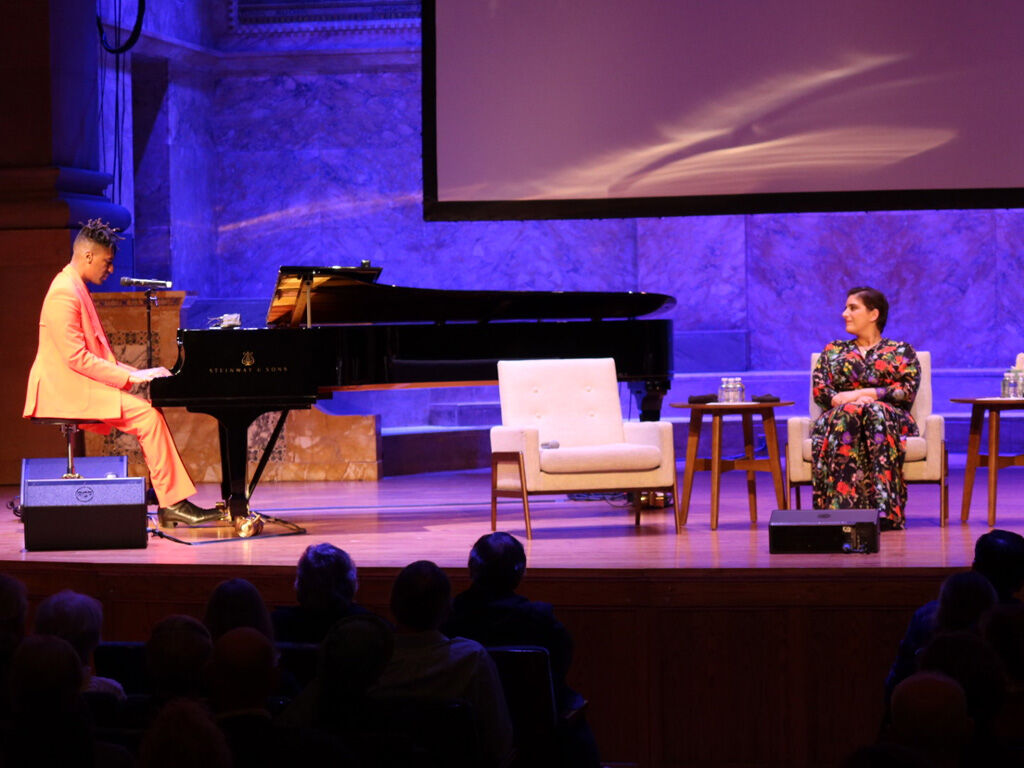
Grammy-winning musician and composer Jon Batiste, left, with wife Suleika Jaouad, a New York Times bestselling author and founder of "The Isolation Journals,” right, at the Princeton University Concerts' sold-out “Healing with Music” event on November 15.,
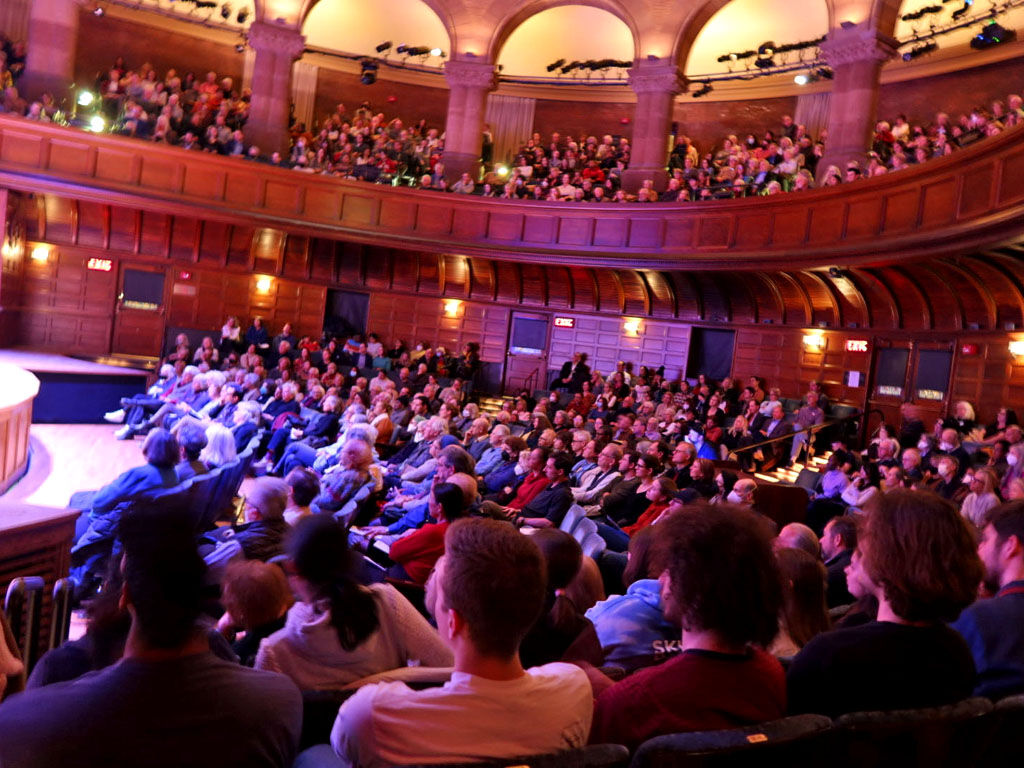
Jaouad and Batiste's PUC event brought a full house to Alexander Hall in the Richardson Auditorium.,
"Imagine Me Gone" by Adam Haslett.,