Six candidates are running for three seats on West Windsor Council in the Nov. 7 general election.
Incumbents Andrea Sue Mandel, Sonia Gawas and Michael Stevens, who are running on the “Community Leaders For West Windsor” slate are being challenged by the “Your New Town Council” slate made up of Benjamin Finkelstein, Stacey Joy Fox and Daniel Weiss.
Mandel, Gawas and Stevens were first elected to their four-year seats on council in 2019.
The News asked each candidate to provide a statement explaining why they are running and to address local issues. Their answers are presented in alphabetical order below. For more biographical information, see the candidate introductions in the Community Forum starting on Page 21
* * *
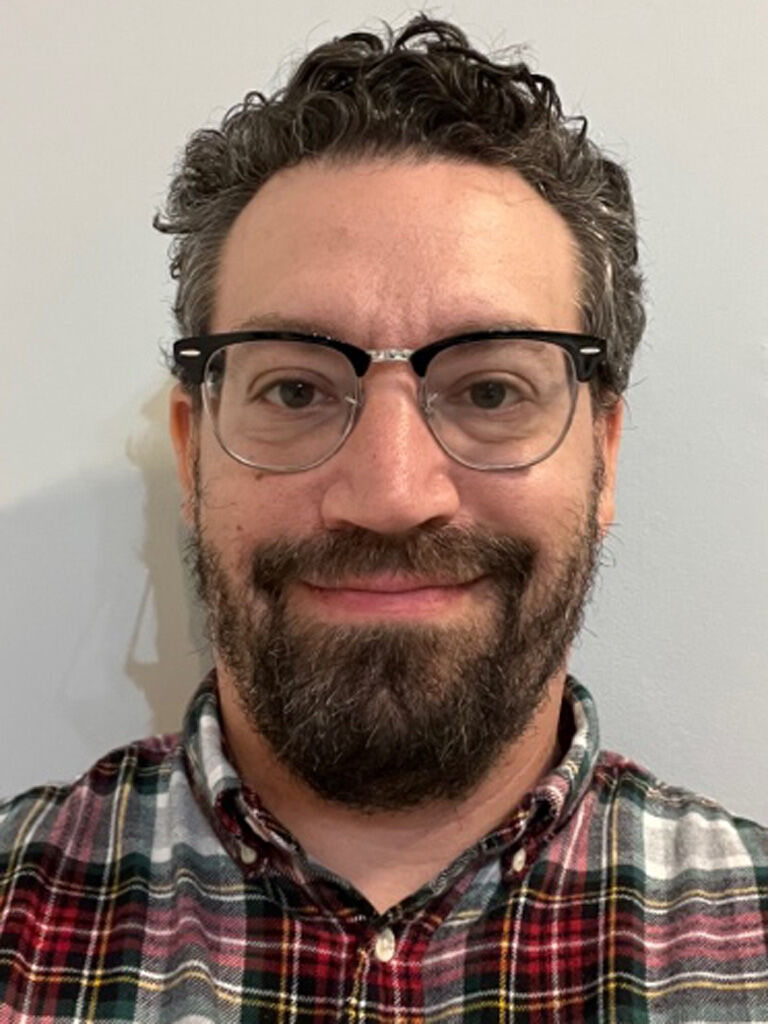
Benjamin Finkelstein has lived in West Windsor with his wife, Vanessa Mondestin, since 2020. He has worked as a public educator since 2012. This is his first time running for office.
Candidate Statement: In 2022, just two years after moving to West Windsor, I found myself drawn to a local legislative issue. My wife and I were shocked that West Windsor’s elected leaders were voting in favor of a development that so gravely threatens the quality of life in West Windsor.
The more I learned about Bridge Point 8 the more I realized better options were available. Town leadership chose not to abide by the best practices established in the Warehouse Siting Guidance. They chose to allow construction based on flood maps from 1999 when better data was available. Opponents of BP8 were told that open space wasn’t a consideration.
Our elected officials downplayed the impact of their decisions and the need for community understanding. After all BP8 isn’t a collection of warehouses like we see in Cranbury, instead, BP8 is definitionally a “major” logistics and distribution center. The expectation is that trucks would arrive from Port Elizabeth, cargo would be reorganized, and then trucked to fulfillment centers. This type of industry would turn West Windsor into a seemingly endless tractor-trailer traffic jam.
BP8 would be seven warehouses, with 5.5 million square feet of warehouse space, and 910 loading docks. According to NJ State Warehouse Siting Guidance, with numbers like that we should expect at least 9,000 trucks using the facility each day. This number is not in dispute, visit page 11 in NJ’s 2022 Warehouse Siting Guidance document.
What happens to the desirability of our township when 18-wheel trucks rumble through residential streets like Clarksville and Village?
The supposed $14 million in ratables wouldn’t come close to offsetting the negative impacts. West Windsor would experience an increase in expenditures to keep up with BP8’s effects on crime and infrastructure. I implore you to research the connection between distribution centers and residential property values—it is clear our property values would be depressed.
The safety of our citizens would be adversely impacted. Such an increase in truck traffic will lead to higher rates in accidents and fatalities. Flooding could be greatly exacerbated because of the loss of wetlands and open space. Fine particulate matter from diesel trucks will lead to negative health outcomes—these pollutants are linked to higher rates of heart and lung disease, developmental disorders, and cancer.
When asked about alternatives, the incumbents say nothing could have been done then and nothing can be done now. This is both cynical and untrue—there are 42 permissible uses on the land, there is public and private open space funding, there are ordinances that could have been passed. In truth, we can still apply for open space funding. Don’t be misled, there were options when BP8 passed, there still are alternatives now.
Unfortunately the current town council’s decisions on BP8 are only one example of their misguided decision making. They have voted repeatedly in favor of 16-pump gas stations. They brought forth a proposal to use eminent domain to support a new fast food restaurant development at the corner of Washington Road and Route 1. Just this past July they passed a $6 million bond ordinance for the expansion of the sewer line from near the McCaffrey’s shopping area to the border of East Windsor and have refused to explain why. There is little development there now—what are they planning?
As an educator, I believe it is essential to have open lines of communication between the citizens, the WW-P school board, and both the Plainsboro and West Windsor municipal governments.
Where are the town halls? As town council members, Weiss, Fox and Finkelstein promise to offer regular town halls. We promise to be collaborative and transparent in our decision making process.
There are other areas of concern. At the forefront of these concerns are the safety of our roads for cyclists, pedestrians, and motorists.
I have consistently heard frustrations from West Windsor residents in terms of the permitting process. I call for an audit of the permitting process to discover areas of improvement.
As a town we must imbue municipal projects and private developments within town limits with a stronger commitment to sustainability and equity.
Despite these concerns, West Windsor is still a great place to live. Our children achieve well in our schools, we have a friendly, diverse and highly educated populace, and our overall quality of life remains high.
The issue isn’t how West Windsor looks in 2023, but what does West Windsor look like in 2033? Will our town remain focused on being family first or will the trucks get in our way? Will we continue to breathe relatively clean air or will we see a spike in asthma rates? How many new gas stations will we have compared to new electric car charging ports? Will we have planned accordingly or will our schools be overburdened by an increase in our population?
I’m not an arrogant person and I don’t have all the answers. As a career educator I believe in reading. I believe in a growth mindset. I believe in listening. I believe in research.
I believe that we must fight for what we believe and not cynically manipulate public opinion.
The current town council has put West Windsor in a precarious position. If we don’t stop their plans now, with this election, we might not get another chance on BP8. It is up to us to be the change we want to see.
* * *
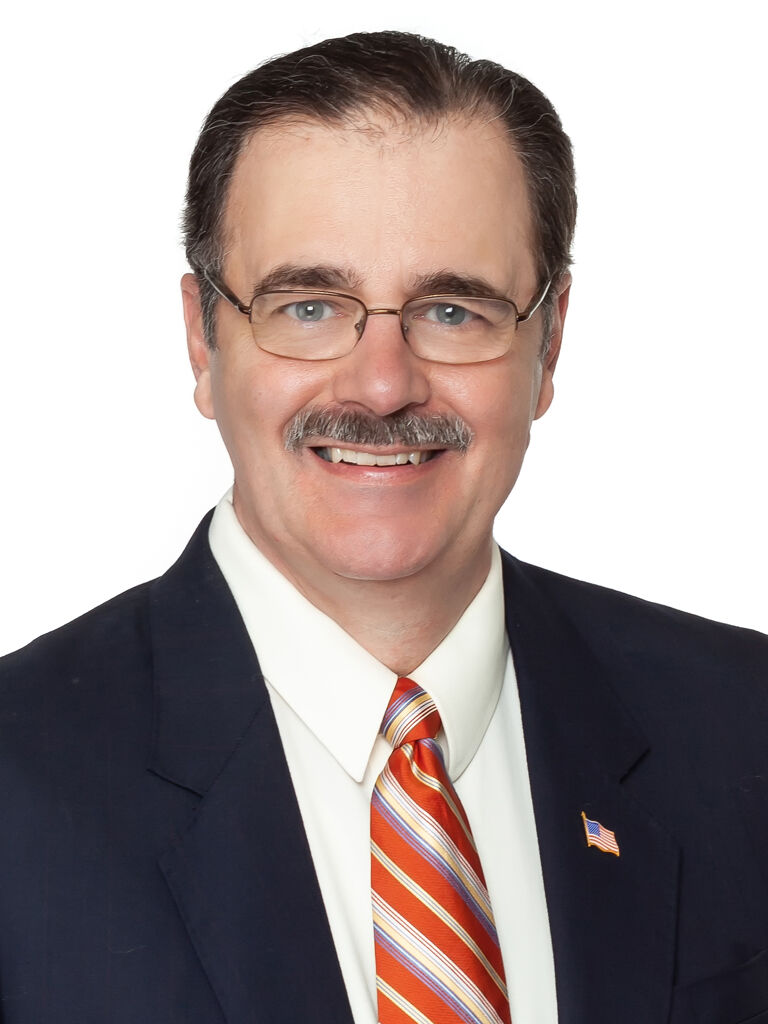
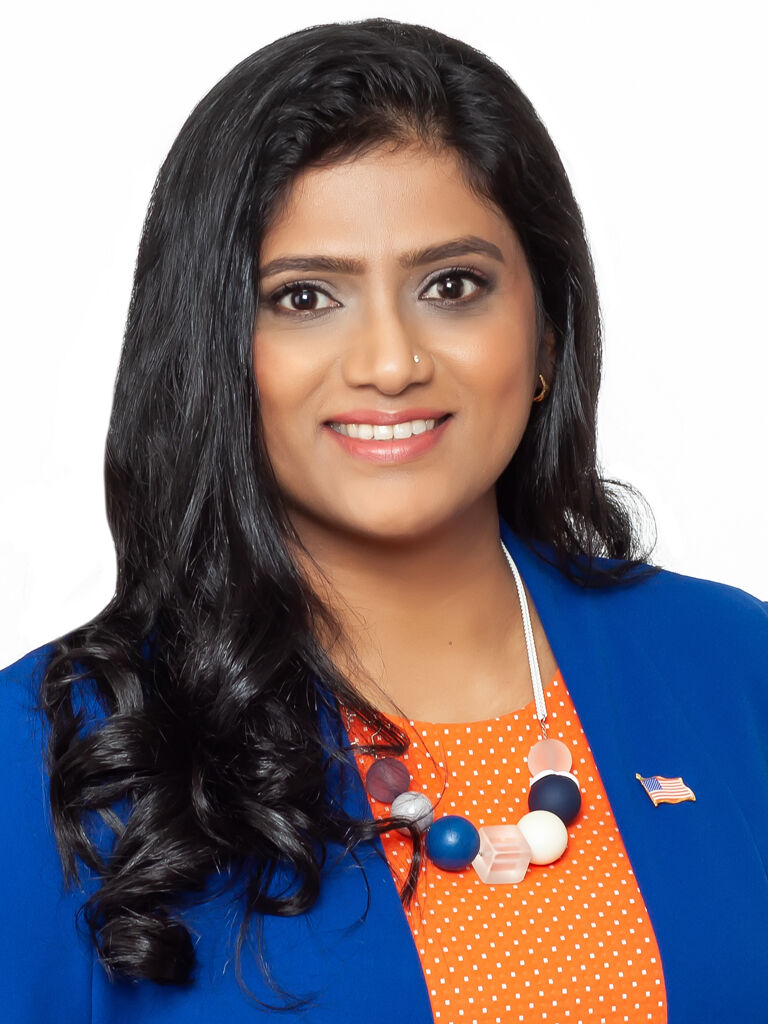
Sonia Gawas has lived in West Windsor for more than 14 years with her husband, Ram Sarma. She has worked as a full-time volunteer since 2012. She has served on West Windsor Council since 2020.
Candidate Statement: Over the past four years, we have guided our township through trying times with the emergence of COVID, a tornado, a major fire and rapid residential growth. Every decision I have made is based on a key question, “How will my vote benefit us as a township and the constituents whom I serve.”
I became involved in the community long before being elected to Council. As my children grew, I saw the need to be involved in the schools, and that’s how my volunteering in the PTA began in 2012 and has become a big part of who I am.
When there was a need for a Girl Scout leader, I took on that role without hesitation. Growing up I would accompany my parents to volunteer at centers for those physically challenged and visually impaired. Now having a family member with special needs brings it to full circle, leading to my involvement as an advisor and board member of Unified Spectrum, a non-profit group committed to create career opportunities for the neurodiverse population.
Because of my volunteer experiences, I bring a ground-up view to the challenges our community faces. Combined with my business experience I bring fiscally viable solutions to its problems. My husband is a volunteer firefighter, which is another extension of community service my family is proud to be part of.
Safety for all. I want West Windsor to be a great place for everyone to walk and bike. One of the first groups I joined after moving here with my young family was the West Windsor Bicycle and Pedestrian Alliance and I eventually served on the board for 3+ years. I also helped advocate, for a continuous sidewalk along Cranbury Road so residents from my neighborhood could walk to the train station and nearby businesses on Rt-571. Ten years later, I am happy to see the new sidewalk in place and being used by many.
As a Council, we have increased funding to repair/add sidewalks, add bike lanes, crosswalks, and evaluate/prioritize which roads need resurfacing/repaving. Keeping in mind pedestrian safety, Council started the #WalkWestWindsor campaign to promote pedestrian safety. I will continue to work with Mercer County engineers to find ways to control heavy vehicle traffic. One low-cost way could be to build roundabouts – a proven way to calm traffic at major intersections.
COVID-19. I used my experience in the pharmaceutical industry to work with our police, fire, emergency services, township health professionals and township administration to shape our response to the pandemic. One initiative I am very proud to have helped create is the “Mercer Mask Project,” where a group of volunteers came together to make homemade masks (22,000) and gowns (1,700) when there was a shortage of these items. Councilwoman Andrea Sue Mandel and I created the Hometown Heroes program to honor those who got us through COVID.
Avalon fire. When the Avalon apartment fire hit, Andrea and I were there the very next day meeting with the families, the apartment management, and various organizations to bring relief. I worked with embassies to get help with replacing passports and other important documents for international families.
Environmental Sustainability. Protecting our environment is another priority for me. I truly believe in the saying “change starts at home.” Composting, native gardening, and installing solar panels for my home are just few of the practices that I have instilled in our household long before I was elected to Council. I continue to advocate for effective stormwater management, requiring EV charging stations in new developments, encouraging community and residential solar panels, maintaining our wetlands, and more.
Budgeting. In these four years, my colleagues and I have approved budgets to keep the municipal tax rate flat. The changes we have initiated place the Township in a stronger position to attract more desirable commercial development that can offset increased municipal costs due to the residential growth driven by affordable housing obligations.
Residential Growth. Home construction has escalated in our township, driven by the need to meet our legal obligations on affordable housing. It has a ripple effect on everything, adding significantly to traffic, school enrollment and demands for emergency services.
One of the current Council’s most critical land-use decisions was the acquisition of the environmentally sensitive 126-acre Hall property (about the size of Community Park) near the Village Grande development. That prevented the construction of 400+ residences.
Commercial ratables. We need to sustain our local businesses and attract new ones to provide additional commercial ratables which is another source of property-tax revenue that doesn’t put more demands on our schools. In the midst of COVID, Andrea and I started the #ShopWestWindsor campaign to help sustain our local businesses. We personally walked all the shopping complexes and created the local business directory on the Township website. The two of us continue to use our personal time and spending to highlight our local businesses.
What sets us apart. Each member of our team has a long history of volunteering in the community. Throughout our time on Council, we have continued to spend personal time helping others through the many organizations we work with. Our team represents and supports all Township residents. We neither seek, nor accept, endorsements or funding from any political party or any other special interest groups that may try to influence a decision that is not in the residents’ best interests. The only endorsement we seek is yours.
* * *
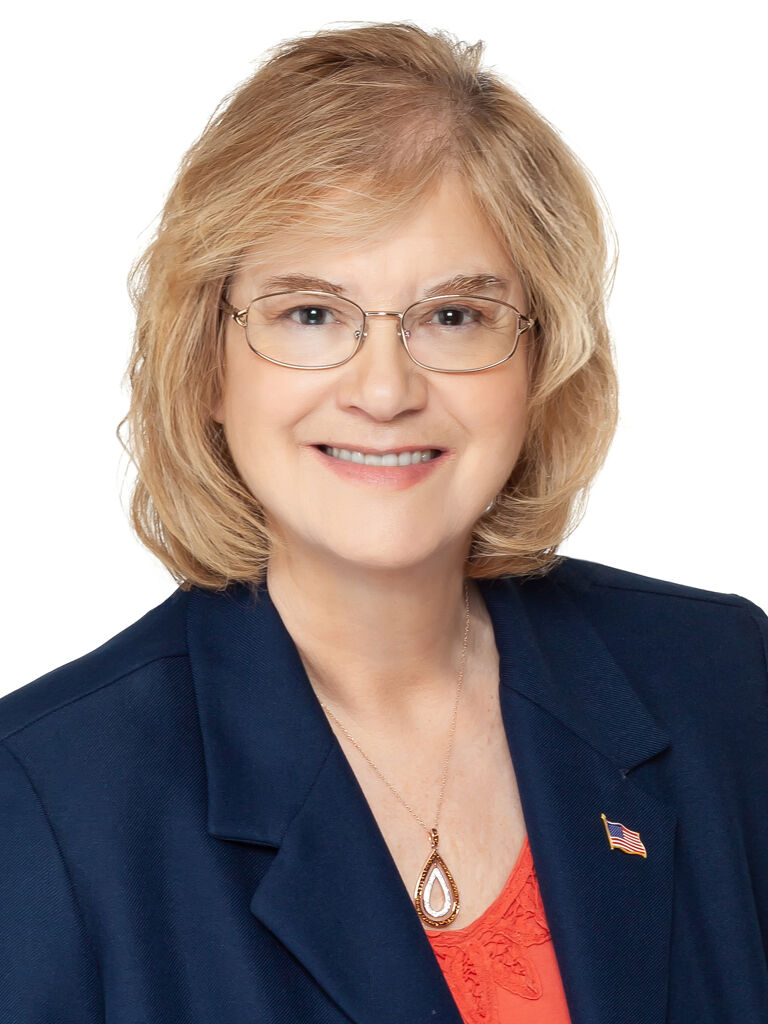
Stacey Joy Fox has lived in West Windsor for 10 years with her husband, Paul Meers. She is the executive director of the nonprofit Mercer County Defense League.
Candidate statement: The West Windsor Town Council needs independent thinkers. I care deeply about the people of West Windsor. As the Founder of the Mercer County Defense League, a nonprofit corporation, I am devoted to MCDL’s mission of preserving and protecting land, commerce, and community. I champion open space, identify ecologically vul-nerable areas within Mercer County while educating the public on the impacts of overdevelopment. I also launched the West Windsor Voice, a digital news and opinion platform that focuses on local issues and events. We report on all board meetings so the public can know what’s going on. For that I have received an abundance of gratitude from the public.
In my work to protect West Windsor from the devastating impacts of Bridge Point 8, I discovered there are more legisla-tive issues than just warehouses. Countless constituents have been encouraging me to run for Town Council. They are fearful of the path we are on, so it is with eyes wide open that I commit to the work ahead as an elected official for West Windsor.
I believe that our local government must be more transparent and communicative in its policy making. When I am on Council, I will only vote on important issues after first understanding the perspectives of our residents. The lack of com-munity discourse here in West Windsor is disgraceful. The incumbents have never scheduled a town hall, which can easi-ly be done both virtually and in person. Town hall meetings are an effective way to hear what’s on the minds of our con-stituents and a chance to share information with the community. I pledge to schedule regular town hall meetings so that all residents have an opportunity to become informed, ask questions and share their views. My votes will integrate the input I receive from material experts and my constituents.
Council members are elected to advocate for what is best for the community, not big developers. If we prioritize big de-velopers, small businesses will be choked out. I want to protect small businesses from that threat and incentivize new businesses to our town. We have been too generous with big business and we’re losing our hometown feel. I want to recapture that before it’s too late.
As a dedicated steward of open space, I’m firmly against Bridge Point 8 Industrial Park. To be clear, I’m not against ware-houses in general, I’m against warehouses where they don’t belong. This site, which is already flood prone, includes 64 acres of freshwater wetlands and sits in the middle of our township without direct access to major highways. It is a bad location for a massive distribution center like BP8. It does not adhere to any of the directives set forth in the NJSPC Warehouse Siting Guidance, which this administration had access to, and still, it was pushed through.
There are 40+ allowed uses for this property, yet in December 2020, the incumbents voted unanimously to add ware-housing to the list. They did this without considering an impact study or professional assessment. The incumbents made no effort to talk with residents about the rezoning, much less solicit opinions about it. When the Council voted, there were no residents present.
While the township council cannot impose any of the permissible uses on a developer, it’s their job to ensure residents’ health and safety, including protections against increased likelihood of traffic accidents, flooding, air and noise pollution. They have often claimed their hands are tied but it is not true that they are powerless. There is always a path to one’s priority.
Many residents have heard the false narrative that if we don’t build warehouses, then we will be forced to build housing. This is simply not true. This property is not zoned for residential housing! Before any housing could be built there, the Council would have to pass an ordinance to override the current zoning law. No one is agreeable to doing this. No one has a crystal ball to predict the outcome of potential lawsuits and we cannot govern in response to fear. We need to govern proactively instead.
The Township press release in December 2020 described BP8 as “a vision that is a win-win for the residents of West Windsor and the developer”. The private landowner lauded, “The Mayor and Council have expressed a vision for this site and now that vision will finally become a reality.” It’s clear that it’s a big win for the landowner and developer, but what’s the “win” for West Windsor?
Increasing traffic by 62% is not a win. Consider the increase in traffic accidents and inevitable fatalities. Tractor trailers cruising by our schools and homes is not a win. Neither is diesel pollution or excessive noise. The extra burden on our emergency services is not a win. And the wear and tear to our infrastructure is certainly not either.
The Council is obliged to use all its authority to ensure that a developer’s plans comply with applicable municipal, state, and federal laws, within the realm of health and safety. If the Planning Board grants unwise approval to what would be harmful, and these developments require changes to township code, or the authorization of legal agreements, or the spending of taxpayer dollars, the Council has the power to hit the brakes by withholding the approvals required for these measures. So, why don’t they?
* * *
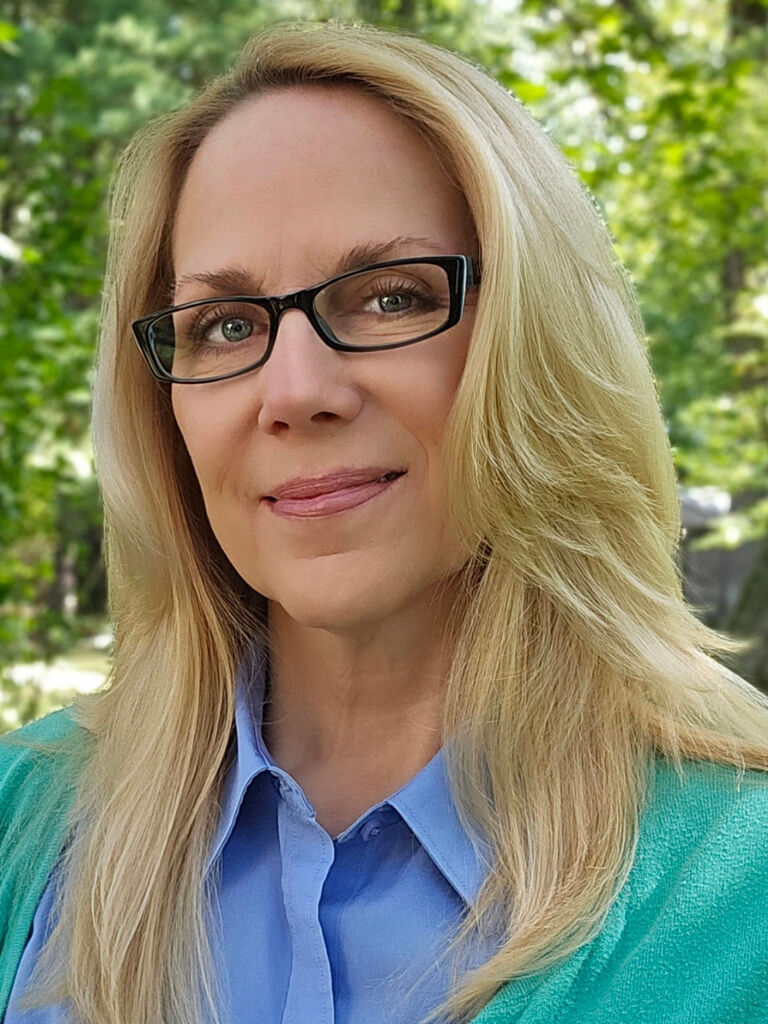
Andrea Sue Mandel has lived in West Windsor for 35 years with her husband Richard. She owns her own technical/management consulting firm, Andrea S. Mandel Associates. She has served on Township Council since 2020.
Candidate statement: The last four years have been unprecedented: COVID, power outages, storms, a massive apartment fire, and even a tornado. Our team of Sonia Gawas, Michael Stevens and I have over 60 years combined as volunteers in West Windsor, and we were right there helping our community through every crisis.
We are non-partisan but not alone. I have been involved with many of our most active non-profit organizations over many years as a supporter and volunteer. I have met and worked with nearby mayors, council/committee members, and county and state legislators for the benefit of West Windsor.
Taxes. We kept municipal taxes flat for the last four years by a combination of smart budgeting and maintaining and increasing our commercial tax base. We were able to increase manpower in key areas like police, emergency services and public works. I am an engineer with both operating and capital budget experience and have taken courses in municipal budgeting. I use my experience and training to analyze all aspects of our budget. As Council president I held extensive public budget meetings and made sure Council was involved early in the budgeting process. Our team is committed to following this model.
The most important thing in controlling taxes overall is to prevent residential overdevelopment. School taxes make up about 59% of your property tax bill. Few homes come close to paying the approximately $19,000 annual cost to educate one child. Developer lawsuits that were ongoing when we took office would have added more than 2,000 new residences and eliminated valuable commercial zoning at Quakerbridge Road in the 2025 Affordable Housing round, giving us a triple whammy of increased expenses, decreased commercial tax base, and school overcrowding. Council made the hard decision to approve a court settlement that avoided massive increases in residential housing in exchange for zoning some of the land to include warehouses.
Local businesses. Council has been promoting local businesses by the #ShopWestWindsor campaign, including a business directory, which Councilwoman Sonia Gawas and I created. My future plans are to start a township webpage with information for new and existing small businesses, and to create a Township Business Committee with representatives from local business, the public and Township Council.
Pedestrian and Road Safety. We have added bike lanes, crosswalks, sidewalks on Cranbury Road, a Trolley Line Trail extension, and increased infrastructure appropriations. We instituted a pilot program using solar path lights near Carlton Lane.
This year we started a new initiative to be proactive in determining areas needing improvements such as crosswalks. We’re working with Mercer County on improvements to Princeton-Hightstown Road. I look forward to continuing to enhance our pedestrian and road safety.
Environmental initiatives. I promoted initiatives like green infrastructure and landscaping, electric cars and solar power. I wrote a new Green Practices Checklist that is used by the Planning and Zoning Board for applications. Our highly successful West Windsor National Drive Electric Week is in its sixth year.
Through the Environmental Commission, I pushed for and participated in the construction of new Environmental ecoscape gardens that are demonstration areas for sustainable landscaping and stormwater management that can now be seen on public property.
My Council resolution asking the State to look at ways to control upstream floodwaters from the Millstone River was passed by several other towns and has been widely discussed. On Planning Board I pressed for environmentally friendly building at every opportunity.
The Council purchased the 126 acre environmentally sensitive Hall property (avoiding 400 residences) and passed a cluster ordinance that increases open space in new developments.
In my next term I will continue to press for green infrastructure, flood abatement, new technologies to monitor sewers, and Community Solar to provide low-cost sustainable solar energy.
COVID-19. COVID hit us hard right after Sonia, Michael and I took office in 2020. As long-time volunteers, we put the community first and got to work.
As Council vice president, I immediately insisted that Council members be rotated into Emergency Management Team meetings. I organized a group of volunteers, volunteer organizations and the West Windsor Senior Center to collect, sort and deliver food to residents in need.
After the Avalon fire, Sonia and I were out there the next day to help. When I learned that victims needed new IDs, I worked with Senator Shirley Turner to bring a mobile DMV to West Windsor, which has now become a regular service.
Sonia and I created the popular Hometown Heroes program to honor volunteers and employees who kept things going throughout COVID.
Community Service. My community service in West Windsor started in the 1990’s, when I became a Girl Scout Leader when my daughter started Dutch Neck School.
Mentoring girls to be leaders, love nature and feel empowered in STEM careers has been my passion for the past 27 years. I started and coached Girl Scout FIRST Robotics teams that went to World Championships three times, ran campouts, and chair the Gold Award Committee. In 2017 I was selected as a National Delegate to the Girl Scout Convention.
I love our community and volunteered in the schools, Historical Society, Friends of WW Senior Citizens and other non-profits. I served on the WW Environmental Commission and Planning Board.
* * *
Michael Stevens and his wife Anne have lived in the township for 30 years. He is currently the CEO of StimBiotics, a medical research company that focuses on the development of novel antibiotics to target multi-drug resistant bacteria.
Candidate statement: Over the past four years, our team has helped guide our Township through unprecedented times with the emergence of COVID and the ever-present specter of unbridled residential growth. I have had to make some difficult decisions but, in each case, the core question I ask myself is “How will my vote benefit the residents of this beautiful place we all call home?”
I became involved in Township matters long before being elected to Council. Two issues impacting Penns Neck led to my attending Council meetings. The first was the continual flooding of Washington Road and our neighborhoods alongside it. The second was when the State attempted to redirect traffic around the Washington Circle. In both instances, I was impressed at how the community came together to address these issues and enjoyed being a part of our successful activism.
In the early 2000s, I was one of the founding parent mentors when we established the FIRST Robotics Competition team at High School North. Over the ensuing years, we expanded the team from only eight to well over 120 students today representing both North and South, together. In the early days, the team built and repaired their robots in my garage before I was able to secure donated build spaces in the community. After both of my daughters graduated, I remained a team Mentor because of my deep belief as a medical research scientist that the exposure to STEM our young women and men receive through FIRST Robotics benefits not only them, but our entire community.
My life was forever changed in August 2011 when Hurricane Irene caused major flooding throughout the Township. As the waters rose, our home became an island as the Little Bear Brook inundated Penns Neck. My daughter, our two collies, and myself were rescued by the West Windsor Volunteer Fire Company’s rescue boat, Marine 43. This was my first direct exposure to the men and women of Station 43.
I then joined the department to bring my experience with grants to the team, securing grants over the years including a FEMA grant more than $300,000 to provide new breathing apparatus to our firefighters, saving the Township this expense. Soon thereafter, I became an Officer in the Fire Police, advancing to Lieutenant and, finally, Fire Police Captain. In this role, I brushed shoulders with the dedicated volunteers for both of our volunteer fire companies as well as our phenomenal West Windsor Police Department and our Fire and Emergency Services’ paid staff. I have participated, before being elected to Council, in the WWPD’s “Ride Along” program to see, firsthand, how our folks in blue serve and protect us every day.
Another of my passions is environmental sustainability. Having grown up in a multi-generational farming family, I am deeply concerned with protecting the land, animals, and people here in West Windsor. As a member of Council, I strive to ensure that the growth that is natural in a community such as ours, and that which is being imposed on us by the state and the courts, is implemented in an environmentally conscious manner.
Lastly, as a medical researcher and former Vice President of Virology Medical Affairs in a top pharma’s HIV/AIDS division, I have imparted my expertise to the Township’s Board of Health (of which I am a member) and other committees as we navigated the uncharted waters of the COVID pandemic.
In my second term, I commit to address these important community concerns:
Residential Growth. Unchecked residential growth results in increasing property taxes for all. One of the most critical land use decisions that we accomplished recently was the acquisition of the 126-acre Hall property, preventing the construction of 400 residences on an acreage equal to Community Park. I will continue this.
Budgeting. My colleagues and I have approved municipal budgets that have a zero tax increase for the past three years. The changes we have instituted place the Township in a stronger position to attract more desirable commercial development—development that is needed to offset increased costs due to the residential growth driven by affordable housing obligations.
Environmental sustainability. As an Eagle Scout and owner of a sustainable horse farm, protecting our environment is a top priority for me. Living in a flood-prone area of the Township resulted in my becoming involved in issues of storm water management long before I was elected to Council. I will continue to advocate for strong efforts to resolve flooding problems, effective stormwater regulations, requiring EV charging stations in new developments, solar panels, and maintaining our wetlands, rain gardens, and pollinator gardens.
COVID-19. As a Doctor of Pharmacy and medical researcher, the safety and health of our community is always a top priority. I was able to contribute my experience as a former VP of Virology Medical Affairs as our Board of Health, Police, Fire Emergency Services, and Township professionals laid out our response to the pandemic. I brought together my experience as a pharmacist with serving as Fire Police Captain to create a program where our Fire Police Officers were made available to deliver urgent care medicines to residents during the initial lockdowns. I was also privileged to work with our generous and caring residents as we helped those in need during the pandemic and those who were displaced following the destructive fire at the Avalon apartments.
* * *
Dan Weiss has lived in West Windsor Township since 1991. After nearly 40 years in the work force, he is taking a break from full time employment this year, running a private consulting business.
Candidate statement: For the past four years, our current town council has been making terrible decisions, with very little transparency, that will have a negative impact on our community for years to come. Decisions that compromise the health of our environment, diminish our safety, depress property values, and lessen our quality of life.
West Windsor needs thoughtful leaders to make wiser decisions, so I have stepped up to lead our township towards a better path forward. At the heart of the matter is the current town council’s vision for the future. Their voting record demonstrates that their vision for West Windsor is industrial parks and trucking distribution centers. Plus, massive gas stations, convenience stores, and fast-food restaurants. The Council tried to authorize eminent domain to approve that in the historic Penns Neck neighborhood but were stopped at the last minute when their vote was publicized. The incumbents have voted in favor of no less than five 16 pump gas stations within West Windsor. They voted for the creation or expansion of these fossil fuel relics where they were previously not permitted, overriding the Township zoning code to allow these projects to proceed.
Perhaps this is what they think our town will need if the industrial park and trucking distribution center is completed as proposed. Expert traffic studies have shown that we will see a 62% increase in traffic and as many as 10,000 trucks a day driving through West Windsor.
Two years ago, West Windsor was named by Fortune Well as among the top 25 places for families to live in the United States. People want to live here because of our rural suburban neighborhoods, our amazing schools, proximity to the train station, and an abundance of open space. And we feel safe living here.
But that’s all going to change if the vision of the current town council comes to fruition. West Windsor will become an industrial town, burdened with truck traffic, diesel fumes, and intruders. Our roads will crumble, our emergency services will be overwhelmed, and our health and safety will be compromised.
The desirability to live in West Windsor will dramatically decline, and with that demise will come a decline in demand for houses here. A depressed housing market will have a negative impact on the value of our property. The equity in our homes will stagnate. For most residents here, our home equity is a substantial part of our life savings, and we depend on this equity to support our financial needs, such as paying for our children’s college education, renovating our homes, or planning our retirement. So, while Bridge Industrial, a private company based in Chicago, will profit tremendously by building seven massive warehouses in the heart of West Windsor, the people of West Windsor will suffer.
West Windsor already has one of the largest percentages of commercial rateables in all of Mercer County. There is a nearly $10 million anticipated surplus in the 2023 budget. Yet current council members consistently prioritize their objective of increasing rateables above the health and safety of residents. Chasing rateables at the cost of the quality of life, without consideration of the impact of out-of-control commercial expansion is a reckless and foolish policy.
Meanwhile, the infrastructure in West Windsor is failing to meet the needs of our community. Pedestrian access to our commercial services is difficult. We have sidewalks that abruptly end, leading pedestrians into busy streets. Bicycle paths are lacking, and numerous busy intersections that have heavy pedestrian and bicycle crossings lack safety mechanisms.
While neighboring towns have built modern public libraries serving as community centers, our 25-year-old public library, hidden away in the municipal complex behind the postal distribution center, has water buckets scattered throughout the facility to capture rainwater leaking through the roof.
While other townships move forward to build sustainable and environmentally friendly practices, West Windsor is stagnating. Food waste and unrecyclable plastics are putting a heavy burden on our waste management services. We have no township sponsored composting programs, and our recycling programs are lacking and poorly communicated. Meanwhile, our Public Works department plows over large swaths of beneficial native plants, including exhibition gardens maintained for years by Girl Scouts and community volunteers.
Over the years, particularly in the Covid era, advancements in technology have led to changes in the way we deliver and manage services, and how we communicate. Because of these rapid changes in the media and communications landscape, as well as the changing expectations of our residents, it has become a necessity for municipalities to have a communications model that is highly responsive and flexible. West Windsor must transform their operations to adapt to and embrace these technological capabilities. The township website needs to be modernized, municipal information systems need to be digitized, and real-time reporting to the public is desperately needed.
We all deserve a government that represents our best interests. That means doing the work to ensure the needs and priorities of all the residents in our community are considered. We must encourage community discourse to understand all perspectives and aspirations of our residents. Hosting regular town hall meetings should be mandatory. The West Windsor town council incumbents have failed to engage our community in this regard, especially when considering monumental land use decisions. We deserve better.
Sonia Gawas,
Andrea Mandel,