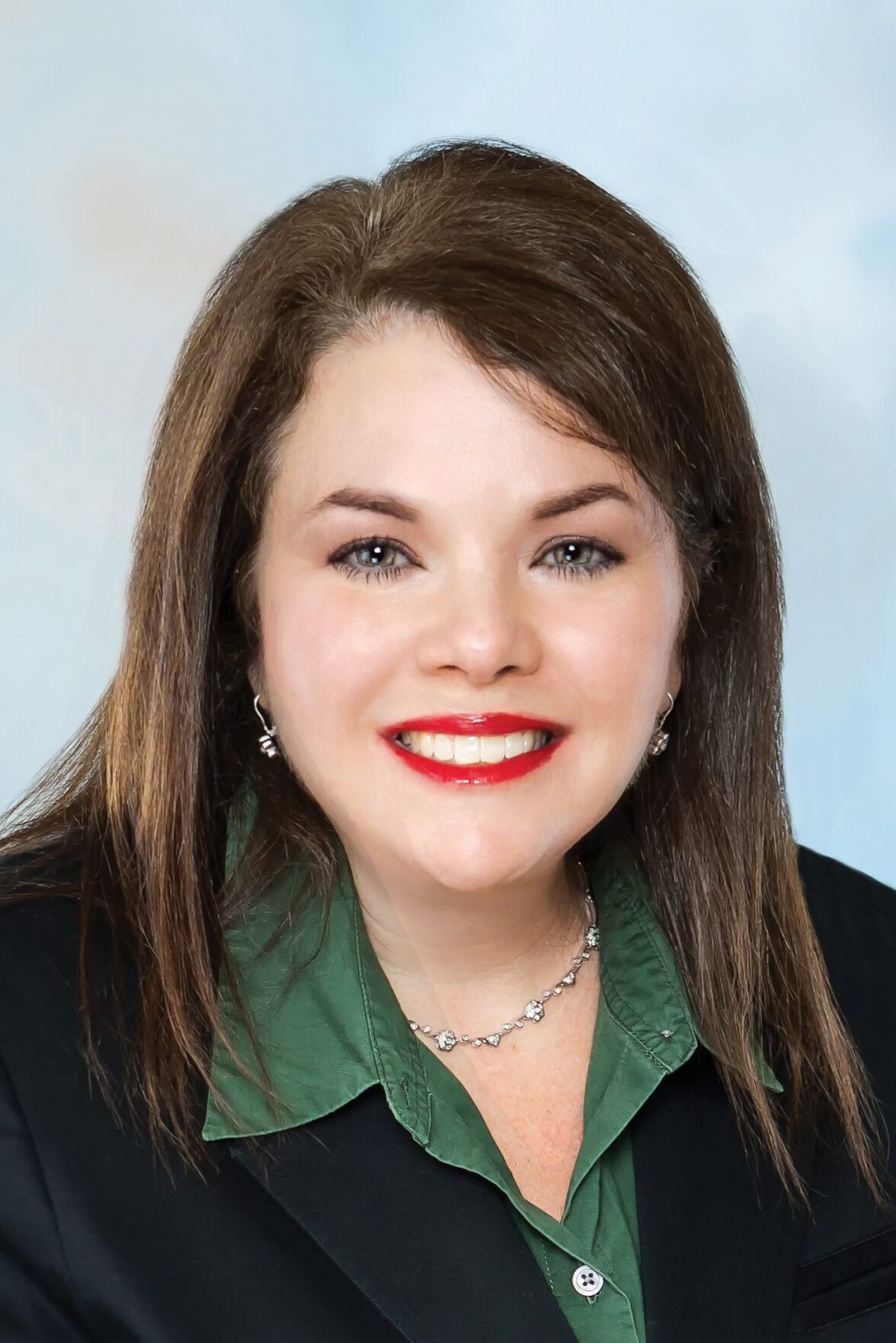
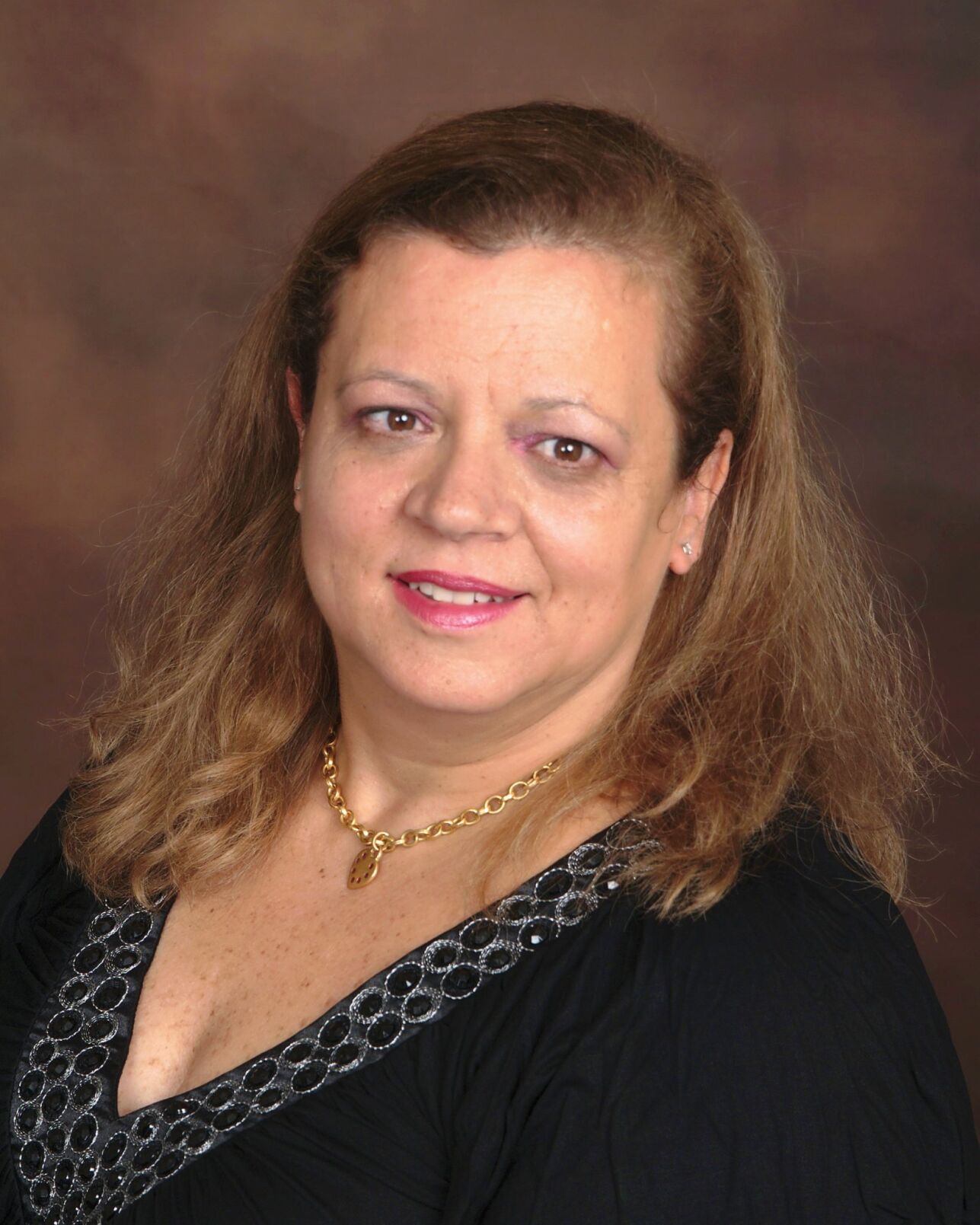
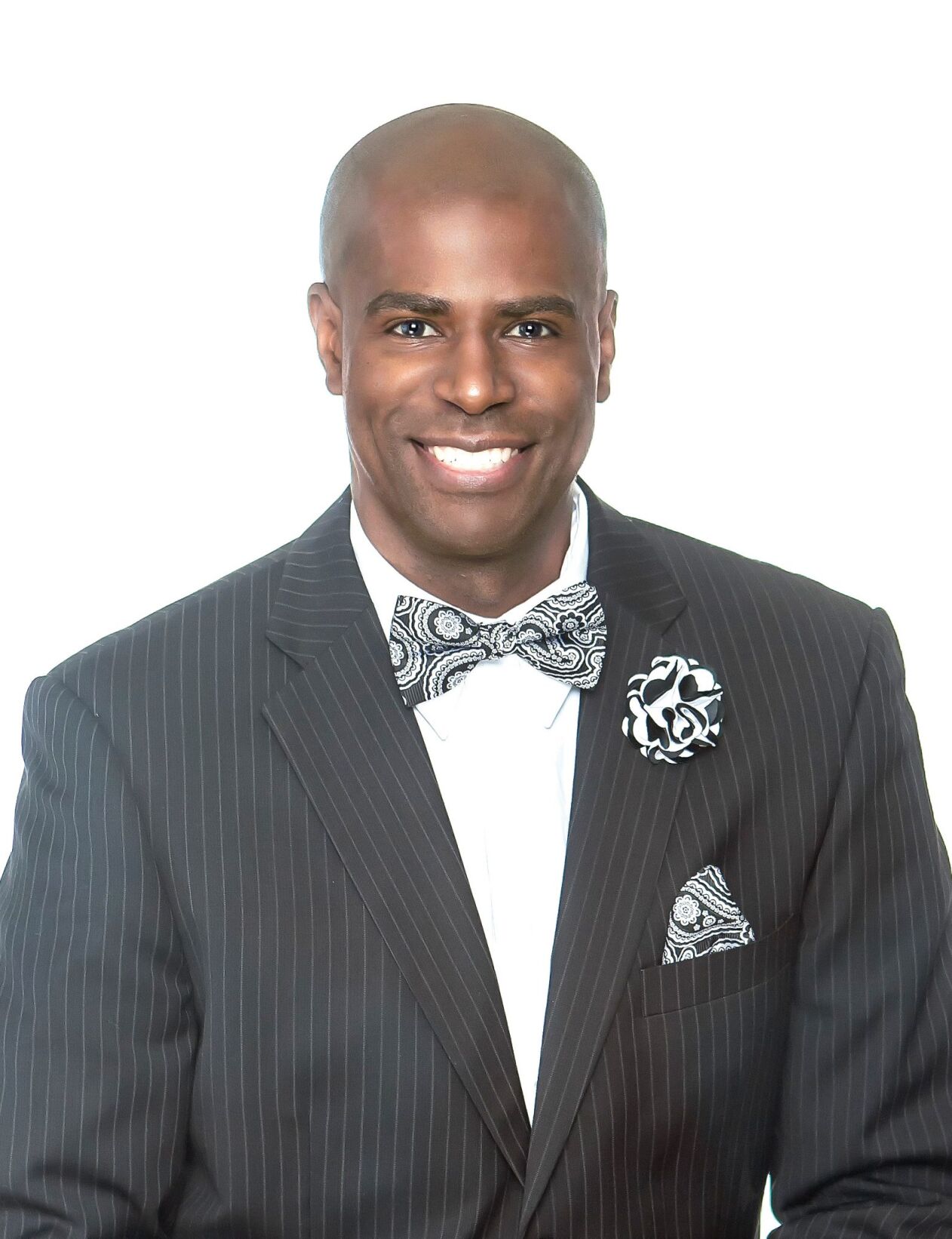
Voters in both townships will have an opportunity to vote for candidates for the West Windsor-Plainsboro Board of Education in the annual school election on Tuesday, Nov. 7. Three candidates are running for one open Plainsboro seat on the school board, while in West Windsor, five candidates are running for two open seats on the board.
In the West Windsor contest, incumbent Dana Krug is being challenged by candidates Rakesh Kak, Veronica Mehno, Helen Ming and Martin Whitfield.
Mehno and Ming have teamed together as running mates for the open seats, as have Krug and Whitfield. Board member Yingchao “YZ” Zhang opted to not run for re-election to the board, and is seeking a seat on West Windsor Council.
One recent snag for Mehno’s campaign was an error by the Mercer County Clerk’s Office with sample ballots mailed to voters. They listed the candidate’s first name as Victoria and not Veronica.
Mehno said she has been in contact with Mercer County Clerk Paula Sollami Covello and clerk’s office legal counsel Arthur R. Sypek Jr. in an effort to mitigate the fallout from the error.
Mehno said that the clerk’s office has made sure that her name will appear correctly in the voting booths, and that the ballots being sent to mail-in voters were corrected and reprinted.
Mehno also said that her campaign sent letters to the residents who requested mail-in ballots alerting them about the error.
In Plainsboro, incumbent Isaac Cheng is being challenged by Russel Melville and Peter Syrek.
Melville is a second-time candidate who mounted an unsuccessful campaign last year. For Syrek, this is his first attempt at running for elected office.
Isaac Cheng, 27, is a Plainsboro native and lives in the Princeton Collection development. He attended Wicoff, Millstone and Community Middle schools and graduated from High School North in 2008.
He holds bachelor’s and master’s degrees from the University of Chicago, and works in the pharmaceutical industry at Allergan, focusing on mergers, acquisitions and licensing deals for new drugs. He was previously a management consultant advising leaders at Fortune 500 companies on business strategy and operations.
Cheng is finishing his first term on the board, and has served on the curriculum, administration and facilities and labor negotiation committees.
Rusell Melville holds a bachelor’s degree in liberal arts and a master’s in applied psychology from Rider University. He currently works as manager of network operating and contracting at Horizon Blue Cross Blue Shield, and was previously director of military and veterans affairs at Rider. He also served in the U.S. Army.
Melville did not respond to requests by the News for biographical information or to answer questions for this article.
Peter Syrek, 44, has lived in Plainsboro since 2013 and lives in town with his wife and daughter, who attends Grover Middle School.
A graduate of Kean University with a bachelor’s degree in psychology, Syrek works as a marketing executive for an IT solution provider.
In the West Windsor race, Rakesh Kak is the only candidate without a running mate.
Kak, 51, is a 13-year resident of West Windsor and lives with his wife, Suneeta, in the LeParc development, where he is president of the homeowner’s association.
He earned a bachelor’s degree in electrical engineering from the Indian Institute of Technology in India and an MBA in finance from Columbia Business School. He is currently employed as managing partner at View Partners, an investment bank based in New York City focused on merger and acquisition advisory for technology companies.
He has 23 years of investment banking experience, having worked at Citibank, UBS, Gruntal & Co. and Kaufman Bros. He also worked in technology consulting for 6 years with HCL and Unisys Corp.
Kak and his wife have two children. Their son, Kunal, is a High School South graduate and is currently a sophomore at UC Berkeley, and his daughter, Rhea, is a sophomore at South.
Dana Krug has lived in West Windsor since 1995 with her husband of 25 years, Stephen Lichtenstein. The couple has three children, all of whom have attended WW-P schools since kindergarten: Dutch Neck, Village, Community Middle School and High School North. Their oldest is a college junior. Their second child is a senior at High School North, and their youngest is a 7th grader at Community Middle School.
Krug earned a bachelor’s degree in international (comparative) area studies, focusing on Russian and Latin American studies, from Duke University. She also hold a master’s degree in nonprofit management from the Graduate School of Management and Urban Policy at the New School.
She currently works as a full-time community volunteer, and is completing her second term on the WW-P School Board. She is chair of the curriculum committee and liaison to both the West Windsor Recreation Commission and the superintendent’s advisory council. She is the president and chair of the Friends of the West Windsor Library and serves on on the advisory board for the Send Hunger Packing Program.
Krug previously worked for 18 years in the fields of advertising, marketing communication and strategy, and marketing systems development. She has managed several departments, including fiscal management and labor relations at both the New School University and at Dow Jones.
Veronica Mehno, 49, has lived in West Windsor with her husband, Chris, since 2010. She holds a bachelor’s degree in economics from Universidad Catolica Argentina and an MBA in finance from Boston University.
She is the founder of LM Language Services, a translation company, and formerly worked on Wall Street as an emerging market trader for international banks including Safra and HSBC.
Mehno has three children in the school district at Dutch Neck school. Her oldest is in second grade and her twins are in kindergarten.
Helen Ming, 43, is a resident of Windsor Haven who has lived in town with her husband, Pan Ming, for 10 years. The couple has two boys: a 9-year-old who graduated from Maurice Hawk this year and a three-year-old.
She is a graduate of Princeton University with a master’s degree in public affairs from the Woodrow Wilson School of Public and International Affairs. She also has a graduate-level certificate in international relations from Johns Hopkins University. She earned a bachelor’s degree in economics and master’s in economics from Wuhan University in China.
Ming has been a business owner for 8 years, and has 8 years of experience working on Wall Street for employers including JPMorgan Chase and Bank of America.
Martin Whitfield and his wife, Deonna, are 12-year residents of West Windsor. He graduated from the University of Texas, San Antonio with a bachelor’s degree in American studies. He is also a former Division I collegiate basketball player.
Whitfield currently works as general manager and director of operations of the Princeton-Windsor Cultural Complex, which includes the Windsor Athletic Club, the SINO-US Cultural Center for Education, Sports and Science, the Princeton Royale Club, the Advantage Tennis Club and The Wilberforce School.
He previously worked for the National Basketball Association in marketing, corporate services, NBA TV domestic and international.
Whitfield and his wife have five children. Their oldest daughter graduated from High School South, and they have one child each at South, Grover, Village and Dutch Neck.
Plainsboro
All three Plainsboro candidates were asked by The News to answer the five below questions. Melville did not respond to several requests for answers.
Briefly explain how your experience, expertise or perspective would be most useful on the board.
Cheng: I am a lifelong resident of Plainsboro and a product of WW-P schools, giving me a firsthand view on the strengths and weaknesses of our district. Furthermore, I am a professional with experience working on strategic, financial and organizational decisions for some of the world’s largest companies. As a former student with real-world experience, I not only understand the changes that should be made in our district, but also how to effect change across the organization. This has served me well during my first term on the board of education.
As a former student, I’ve experienced our district’s educational offerings. I’ve pushed for courses that I wish I had myself—such as more advanced classes in social sciences (AP economics, AP psychology), richer engineering offerings and a bi-lingual language program in elementary. Furthermore, I deeply empathize with the academic and social stresses that our students face, and contribute to the discussion whenever possible.
As a professional, I bring my experience working on management-level decisions to our district. Our district is a large organization that must be run with the efficiency of a corporation—we have $180 million in annual budget, $260 million in facilities and grounds and nearly 10,000 students.
While my role is not to micromanage, my business experience has enabled me to be an effective board member. My experience negotiating mergers has helped during labor negotiations, where we curbed the growth of labor costs while maintaining amiable relations with our staff.
My experience forecasting markets and creating projections has helped me to analyze forecasted enrollment growth when making decisions around district expansion.
My perspective is valuable to keep on the board, and it will continue to help in our decisions ahead.
Syrek: I believe the success of WW-P relies on understanding the needs of all residents. As a diverse township, it is important that a candidate grasp the goals and values of each demographic. I have worked with Indian IT companies for over 20 years. My wife is Chinese and we have been married 15 years, with one child in middle school. I am a local citizen, living in New Jersey all my life. Putting these three points together, I have an understanding and appreciation of various cultures and can work, live, love and prosper in a diverse community.
At work, I always have to bring various business units together for a common goal. I accomplish this not just through interpersonal skills, but also through the will and drive to be transparent, to gain trust. With trust the lines of communication open and we can work as a team and be productive. We may not always totally agree, but we can move forward as I have given my colleagues the respect to listen, understand, and address their needs.
Do you think that pressure to perform academically is an issue for students in the school district? If so, what would you suggest the district can do to help alleviate stress and anxiety? If not, how would you respond to those who believe there is a problem?
Cheng: Healthy stress and competition is absolutely essential for a student to reach his or her potential, and a student’s desire to excel academically should be encouraged. However, there is a tipping point at which pressure to perform academically becomes detrimental—if it hinders risk-taking and academic exploration, or if it leads to issues with mental health.
While this tipping point differs by student, we can do more to alleviate anxiety for the overall student body. Schools should offer a wider range of courses, extracurriculars and athletics, so that students do not feel shoehorned into a predetermined path of “success.”
PhysEd and health classes can include more discussion of personal wellness and techniques to cope with stress. Lastly, we must emphasize that academic excellence is not primarily about grades, but about developing skills to continue learning outside of a classroom setting.
Syrek: I can’t imagine any successful school district not having pressure to perform. With that there will naturally be stress, as there is with life in general.
The most important part of dealing with stress is understanding the cause of the stress within an individual. We need to be proactive in encouraging children to approach their parents with their issues. We need to also encourage children to speak to counselors at their school, and that is why it is extremely important to have an adequate counselor pool our students can readily access. Parents and counselors working together can make a big difference in understanding the route of stress and creating viable solutions.
Now over the past few years, the school has been taking away programs to try and lessen stress. Sounds admirable but it is just a shot in the dark. We have not taken the time to thoroughly research the effects of individual programs on students and share that information with parents to have an open discussion. Additionally, sometimes the solution is not taking a program away, but carefully adjusting and improving to make the program run more smoothly for students.
I’ve heard a lot of talk about “a love of learning” to avoid stress. I also believe in “a love of achievement.” It is impossible to love every aspect of learning but if we focus on what we want to achieve, pressures and stress may no longer be viewed as an obstacle, but more as a path to get us to our goals and dreams.
The school district is facing an influx of students in the coming years. What do you feel is the best way for WW-P to deal with the problem? Do you support the school expansion program that has been proposed by administration?
Cheng: This is the biggest issue today. Frankly, our schools are already at capacity, and class sizes are high in WW-P. While this has not yet hindered our ability to maintain educational quality, quality will become increasingly challenging to maintain as enrollment expands from new housing development.
We have a responsibility to our students—to keep class sizes reasonable and to provide resources for learning. But we also have a fiscal responsibility to taxpayers.
Beyond the expansion of Maurice Hawk, where there is an immediate need for classrooms, it’s too early to start drafting concrete plans and allocating funds for new construction because there are still many unknowns. How many new homes are being constructed? What will be the demographics (family sizes, age of kids, etc.)?
The steady course is to maintain lines of communication with township and developers to stay abreast of the latest developments. As we get firmer numbers, we can then draft plans for new school construction. In the case that we need a new school, the district must go to referendum to raise funds and keep the community involved so that voters can make informed decisions.
Syrek: The administration has been doing a good job in keeping the public informed on the current WW-P situation. There is going to be more housing growth, and the administration will need to address the influx. But the administration needs to not only be transparent on the issues, but on the solutions as well. The public needs to fully understand and give inputs on the various options available to deal with the future.
On the proposed school expansion program, I am very concerned that WW-P has not done a capacity report. Without this, we cannot know whether we are doing too much, too little, or just enough. This uncertainty would make the public very uncomfortable and hinders the ability for the public to support such a project.
How do you feel about the way that the school board and administration communicate with the community? What do you think they do well, and in what areas can there be improvement?
Cheng: Communication is an area that must be improved. This district has grown rapidly over the last decade, but our internal processes have not grown at the same pace. We don’t need a dedicated communications staff. But the board should work with the administration to mirror best practices from other large organizations (e.g. institutes of higher learning) so that communication becomes a strength.
Regarding communication with members of the board, it is important to remember that we are all neighbors. Board members can be more proactive about speaking with people– through coffee chats, phone calls, and impromptu meetings. I’ve always tried to meet with people, especially those that I do not entirely agree with, to find common ground. I will continue to do this if reelected.
Syrek: The first part of this question is the major problem we face at WW-P. We are putting the board of education and administration together, like they are one. This is a common misconception and why transparency and accountability is lacking. The school board is not part of the administration or vice versa. The school board’s role is to serve the public and to watch over the administration. The board of education has lost sight of their role and instead of providing oversight over the administration, they are working to promote almost all of the administration’s agenda.
We all may have differences of opinion, but we can agree that whatever program is in place, it must be well thought out. It must be cost effective, it must be beneficial and it must have measurements of success. Now the only way we can assure that, is to have the board of education truly review the administration plans and ensure the administration answers the questions from the public. Currently, the administration does not answer any concerns it faces from the public, and the board of education does not push the administration to do so.
We can talk all day about how the public can get more involved, but if the board is an extension of the administration, nothing will be improved.
What is one challenge facing the school district (other than those mentioned above) that you believe deserves more attention?
Cheng: The burden on taxpayers continues to increase. That said, cost-cutting is easier said than done. More than 80 percent of our budget is compensation and benefits—which are tied up in long term contracts and subject to trends across New Jersey. Furthermore, the remaining budget is already lean after cost-cutting during the past recession, and per-pupil spend is already below the state average.
But we can do more. We should aim to use budget surplus to reduce taxes whenever possible, and focus capital reserves on maintenance. We should continue to work closely with the labor associations around long-term trends in compensation and benefits during negotiations, with the understanding that we are all in the same boat and that our faculty is invaluable to our schools. We should leverage our district’s scale to find cost savings and create shared-service agreements with neighboring districts, particularly around non-classroom costs like technology and transportation.
It’s misleading to suggest that we can dramatically slash budgets in the next year, but creative solutions to curb growth remain.
Syrek: I believe one challenge we face today in our school district is the fear of stress is paralyzing us. We must be vigilant about the well-being of our children, but at the same time we cannot provide a utopia for them. Everything is not always fair, everything is not always enjoyable, everyone is not always nice etc. That is the world we live in and the world we have to prepare our kids to engage with in the future.
Our children will face a ton of challenges in their lives. We do not have the power to stop or take away those problems. We do have the power to support our children, encourage them, and teach them how to navigate the tests they face, whether it is school, job, social etc.
Maybe we can keep our children happy now, but in the future they will determine their happiness, and that has a lot to do with how they deal with the world.
WW-P should be teaching students techniques to reduce stress, social skills, empathy, and not think that technology is the answer to everything.
This question asks what topic deserves more attention. Stress does not need more attention, but we can certainly try to figure out a good balance between addressing stress and living life to its fullest.
West Windsor
All five West Windsor candidates were asked by The News to answer a list of five questions. Their responses appear below.
Briefly explain how your experience, expertise or perspective would be most useful on the board.
Kak: I would bring three different perspectives to the school board. First, a perspective of a parent who has brought a child through the district from Kindergarten thru 12th grade—with one currently in the high school—and as a parent who deeply cares about his childrens’ educations and their social development. As a board member, I would strive to maintain the level of excellence in education and human development achieved by the district in this challenging technology and social media driven environment.
Second, a perspective of a business and finance professional who has been working with people in team environments for the last 23 years going through budgets, financings, merger and acquisitions using analytical, financial, negotiation and marketing skills. I will use my hard and soft skills to bring the various factions within our community together for a mutually respectful working environment.
Lastly, the perspective of a taxpayer and a homeowner in the township to ensure that our tax dollars are spent efficiently, and that all board decision are balanced and in the interests of all stakeholders.
Krug: I have held a variety of leadership roles in organizations that promote the academic, social, emotional and physical well-being of children and families in our community. My long-time volunteer commitment to the WW-P community, at the library, with youth athletic programs and in the district schools, coupled with my extensive school board experience uniquely positions me as a valuable contributor to the school board.
The positive working relationships I have built with members of the school community and the WW-P community at large will be critical as WW-P embarks on a period of potentially extensive student enrollment growth.
Both of my parents are educators. My father is a professor of molecular biosciences at the University of Texas at Austin, and my mother began her career as a New York City public school teacher and later became a patient advocate and health educator. I grew up in a family in which education was paramount.
In addition, my children’s attendance in our schools has given me a first-hand understanding of many issues that face the school board. I understand that children can learn differently and that instruction and the classroom experience should support each child’s learning style.
Mehno: I have a BS in economics and an MBA with a major in finance and I worked on Wall Street for 14 years. One of the biggest challenges that I see with the board of education is the budget. The administration has consistently increased the budget to the maximum allowed which is 2.33 percent. It is dumbfounding to me that we still get reports such as one stating that the performing arts program is “underfunded.”
I met with the special services PTSA and they are in need of space so the different programs for special services students can thrive. I always wondered, “Where is our money going?” Unfortunately when you are part of the audience during the budget presentation, you are not allowed to ask any questions, only the board of education does. I was surprised when Mrs. Herts wanted to discuss the budget, however, no other member of the board of education wanted to do so.
Given my strong financial background I will be able to ask all the tough questions, such as “Why was the teachers’ classroom budget reduced?” “Why are there programs that are underfunded when we have a healthy budget of $174 million?”
I know how to read a budget and I do believe that there is a lot of fat that can be trimmed. The administration bulks things up on a line in the budget and does not provide too many specifics. It is important to understand what each line means and how the administration has come up to that amount. I believe that my experience in working on Wall Street as a trader will come in very handy for a position on the board of education.
Ming: I have always been interested in public policy issues and public service. My educational background has prepared me well for analyzing and tackling the issues faced by the board of education. My financial background and business experience have equipped me with the skill sets to handle the budget and management issues school board members face constantly.
I have been an active PTA member and parent volunteer in various Maurice Hawk School activities, including book fair, field day, international fair, family picnic and carnival, staff appreciation breakfast, field trips, library activities and holiday parties. I was vice president of advocacy for Maurice Hawk School PTA from 2016 to 2017. Through my PTA participation and parent volunteer activities, I have familiarized myself with school activities and issues parents and teachers care about.
I have also attended Board of Education meetings over the last two years.
I have been a Princeton University’s alumni college admissions interviewer for many years. I am familiar with the college admission process, and know thoroughly what colleges are looking for when admitting students.
I have lived in the West Windsor-Plainsboro-Princeton area since 1999. Our family settled down in West Windsor in 2008. I know the area very well and consider it the best place to raise my two children.
Whitfield: Each day I oversee and operate the Princeton-Windsor Cultural Complex in West Windsor, serving thousands of WW-P families with world class educational, enrichment, sports programming, amenities, cultural and community events. My position calls for me to interact daily with our residents, members and guests. Countless hours have been spent serving our district’s families. In addition, countless conversations have given me a greater understanding of the direct needs of our residents.
The results have been immeasurable: high level amenities, enrichment programs and events that received excellent and positive testimonials while producing happy/healthy/enlightened families. Essentially, the combination of my experience, expertise, daily perspective as the general manager and as a parent is the exact perspective needed on our school board.
My efforts of serving the fine residents of this community for years, and enabling the wonderful residents of this community to grow both academically, socially, athletically, intellectually and emotionally has garnered admiration and respect from thousands of our residents. I will use my professional and personal experience to enhance this school district.
Do you think that pressure to perform academically is an issue for students in the school district? If so, what would you suggest the district can do to help alleviate stress and anxiety? If not, how would you respond to those who believe there is a problem?
Kak: Stress is a human body’s normal reaction to internal and external demands. The competitive pressure to perform better is always an issue in schools and in the life after school whether it is academics, sports, music or job related. A little bit of stress can be a good thing as it can motivate the student to work harder or study longer.
However, too much stress can be detrimental and should be addressed appropriately and in a timely fashion. Every person has a unique response in the face of a similar stress stimuli. A stressful situation for one may cause mental health issues, however another person may thrive well in the same situation.
The school’s competitive culture can be blamed for excess stress, but schools are a mere microcosm of the competitive real world, and as such reflects our fears and anxieties of being left behind. In my opinion the best way to promote and improve mental health in students is to fortify the support systems and resources around them.
Purely academic pressure should not damage a student’s mental health: the compilation of commitments, pressures for success and demands of deadlines can cause students to look for help. Making parents more aware of the stresses and reaching out to them to provide a collective support can be a much more effective, consistent solution to the maintenance of mental health.
Sleep deprivation among teenagers is another factor that reduces student’s ability to cope with stress and retain information. Schools can look into having a delayed start times for high schools. Schools can also help by teaching students coping strategies, such as meditation and yoga, and time management skills as part of the curriculum.
Krug: Yes, I believe there is pressure to perform academically in our school district, as there is in any high-performing district. As a parent of two students in district and one recent WW-P graduate, I am well aware of the academic pressure students experience.
One of the district’s recently adopted strategic goals focuses on recognizing that children need to balance physical, social, emotional and academic needs. I am pleased that the district is dedicated to social and emotional learning and strives to develop a school culture that supports students. The counselors and teachers provide a welcoming and respectful environment. Each school has age-appropriate programs in conflict resolution, promoting respect and tolerance, character education and cyber ethics.
The district is committed to providing students with a wide range of extra-curricular activities, including arts, music, sports, math, science, technology and more. These opportunities provide students with engaged learning and connection to peers and supportive staff, all of which have been shown to help students to deal with academic stress.
I look forward to continuing to support the district’s commitment to balancing physical, social, emotional and academic needs, in an effort to help reduce academic stress and anxiety.
Mehno: Regarding pressure to “perform academically,” it is subjective. We live in a town where the norm is to have both parents with an advanced degree, such as MBA or PhD. As parents we always want for our children to be a better version of ourselves.
I value education tremendously, because thanks to the solid foundation that my parents gave me, I have been able to work on Wall Street and now run an award winning business. I try to instill that same solid foundation in my three kids.
There are a couple of things that the district can do, which would tremendously alleviate the stress on our high school students. One is to hire more counselors. Right now the ratio is 200 students per counselor, when the rule of thumb should be 150 students per counselor.
Another thing WW-P should do is to have morning recess for the elementary school students. Stress does not magically appear in high school. Stress is an accumulation of factors from the early stages in school. The administration only focuses on the high school students, but never focuses on the elementary students. Another issue is that the class sizes are getting too big. Students in the lower grades need more attention; there should be an assistant with the room teacher.
Ming: There is no doubt that pressure to perform academically exists in our schools. While a proper level of pressure is healthy for academic and mental development, excessive pressure is unhealthy or even dangerous. All students should be taught ways to handle stress, including communicating with parents and educators, gaining more appropriate expectations of themselves, and practicing stress reduction techniques such as yoga. They should also learn to cheer each other on, and be supportive for each other. Counselors should be more accessible for students who need guidance and consultation.
Proper identification of the sources of stress is important in addressing the stress issue. Stress can come from both academic and non-academic sources, including the physical changes of puberty, social media, the motivation and drive to succeed and the college application process.
Cutting academic programs is not the solution to the stress issue. It will not only eliminate opportunities for students who need them, but also delay treatment for those who feel stress from non-academic sources. The illusion that we can eliminate stress by cutting academic programs may expose our students to future stress when they face real world issues and don’t have the skills to handle them and don’t have parents and educators at their side for help.
Whitfield: I have the honor and pleasure each day to interact with many WW-P students at my place of business. We have served over 15,000 local students in the past four years through various activities, programs, enrichment/educational amenities and events.
I am also a former collegiate basketball player and former NBA employee. With that said, I have experienced supreme competition both personally and professionally in terms of the tools, dedication and time needed to perform at your best and succeed within a particular platform, subject or activity. Every highly ranked school district in America has pressure to perform academically, compete with the best and in those districts, a majority want to excel to the next level.
I learned how to perform in a highly competitive area and dedicated myself to exceeding my own personal expectations through sheer determination, effort, focus, passion as a high-level student athlete in high school and college.
Balance is crucial. The ability to balance academic pressure, life’s pressures and extracurricular activities is something that is learned by students thru cognitive, practical and logical methods of development. This process also develops the particular tools of success that will ultimately benefit the student, not only during their educational years, but throughout their lives.
We live in a society that naturally puts a lot of pressure on what success is, but who truly defines success? Success is predicated on the gifts, talents and abilities that one has and how we use them with the opportunities presented to us. Monitoring our students effectively, offering a wide variety of extracurricular activities, maintaining a high-level curriculum, having high level and experienced teachers, and continuously communicating with parents, can essentially help alleviate stress and anxiety by helping our students navigate their own personal, practical & successful balance.
The school district is facing an influx of students in the coming years. What do you feel is the best way for WW-P to deal with the problem? Do you support the school expansion program that has been proposed by administration?
Kak: Based on the current approvals and the pipeline of proposed new developments in West Windsor and Plainsboro, our school district could see north of 3,000 students added to the schools in the next 10-15 years. That is over a 30 percent increase in the student population as compared to today.
Our facilities are already at or near capacity currently—there may be some room for expansion at some schools, but not others. If nothing is done this increased student population would mean class sizes in the 30s, which is not a very optimal learning environment, a sub-optimal student-teacher ratio, constraints on student resources and transportation, among others undesirable outcomes.
In my opinion, the school board and the administration needs to keep a watchful eye on the population trends and should take proactive steps to build up staff and facility to match the enrollment projections. They need to work closely with the mayor and township council, and start preparations for construction and hiring of teaching and administrative staff years ahead of any residential development going live.
In addition, we must continually assess our facility utilization and make incremental changes to be equipped for any extraordinary increases.
Krug: The district collaborates with officials from both townships to stay on top of proposed residential development plans. Because of the necessary lead time for building, whether it be new construction or school expansion, it is critical to be prepared to act immediately, once development plans are approved by the townships.
The proposed expansion would not only enable the district to accommodate the expected influx of students at Maurice Hawk School, but it would also allow the district to relocate the pre-K program (currently at Village) to Hawk. As a K-3 school, Hawk is better equipped to integrate a pre-k program. The Hawk expansion will open more seats for 4th and 5th graders at Village, as well. This proposed expansion is just the start of a response by the school district to handle the extensive enrollment growth expected by residential developments in both townships.
Mehno: I applaud the efforts the administration has made since January 2017 to educate the community regarding growth in the school district. Some small housing developments have been approved and they are coming. The Howard Hughes development in West Windsor is the big unknown right now.
However, there are some factors that I am not clear about. Still there is no demography report or capacity report per school building, and I have requested the logic behind the number of classrooms being added to Maurice Hawk School, but the administration has failed to give me an answer. How do we know that we need to build 16 classrooms and not 10 or 24?
The WW-P website has a presentation stating that in Phase II, the number of classrooms in Maurice Hawk could be up to 48. I believe that this number is based on the amount of land that the school has. However, the key factors in this matter are the demography and capacity reports and still WW-P does not have these reports.
Ming: We have an influx of students when new housing units come to the market. Many residents have complained about the over development in West Windsor in recent years. West Windsor should control the growth of the school district by controlling the growth of new housing units in town.
It’s my understanding that our most recent school capacity report is outdated. We should make decisions on whether, or to what extent we need to expand our schools based on a current school capacity report and demography report.
Whitfield: The best way to deal with the problem is for the district to closely monitor what is happening in both townships, and at this stage, develop conceptual ideas on how existing facilities could accommodate the growth.
The expansion proposed so far has been to add about 16 classrooms to Maurice Hawk. The decision to use reserve money already on hand allowed the district to have the new space available by Sept. 2019, when currently approved new developments are expected to begin sending students.
Going to a bond referendum would have caused an unnecessary debt expense and would have not allowed the new classrooms to be ready in time for the expected arrival of new students.
For future growth, we need to continue to study, monitor and then utilize the very best, practical methods to ensure that all decisions not only benefit our students, but are done in a fiscally responsible manner. With that in mind, all future building plans need to be fully vetted in public to ensure support.
How do you feel about the way that the school board and administration communicate with the community? What do you think they do well, and in what areas can there be improvement?
Kak: I would give the school board and administration a low grade on their past performance related to communication with the community. Recently, both the board and administration have taken steps to improve the communication with the parents and taxpayers but I believe there is still room for improvement. The recent letter from the superintendent titled State of the District is a good start.
The committee meetings, where most of the policy details are deliberated, used to be open to the public but now has been closed. Even though the chair for each committee has discretion to allow public to listen in, I believe that the board should make it a uniform policy and make all the committee meetings accessible to all taxpayers of WW-P. Unlike a board meeting we do not necessarily have to allow public comments, but certainly this would avoid those situations where the public hears about a major change at the board of education meeting, especially when the board of education is planning to vote on that change on the same day.
Another, improvement that can be formalized is the feedback to the parents who ask reasonable questions during the public comment period. Keeping in mind that no one board member can speak on behalf of the entire board, we should have the board president make a decision to either answer a particular question or refer the question to the right person within the administration if it is in their jurisdictions.
The board should be the bridge between the families and the administration. If I am so fortunate as to be a member of the board of education, I will make myself freely accessible to the families to listen to their comments/questions/complaints. I will guide them to the best of my ability or endeavor to get back to them with correct answers.
Krug: Communication is challenging with social media and 24/7 news cycles. The school administration continuously works to provide accurate and timely information to the community. I have supported expanding efforts to reach out to the many segments of the community in a proactive manner.
One way to reach parents is through the Parent University program, run through WW-P Community Education. Past topics have included anxiety and school avoidance, the first year of college experience and adolescent substance abuse.
In the recently adopted strategic plan, each of the three strategic goals has a communication component. For example, for the first goal—building structures to appropriately challenge and enable students to realize their full potential—one action step describes ways for the district to use its website and social media to provide information on district best practices, major district events and opportunities for parent and community involvement.
Another step addresses the creation of an ambassador program with parent leaders reaching out to families new to the community to ensure a smooth transition process. Additional steps continue to be taken to enhance the district’s communication with other community groups, including residents without children in district and families considering a move to WW-P.
These are all steps to build enhanced relationships between the community and the school district.
Mehno: Parents are kept at arm’s length. The board of education and administration have told parents to trust the experts over and over again, however, as someone who is very engaged in the school district, I can assure you that the experts sometimes make big mistakes.
There is a lack of transparency, for example board committee meetings used to be open to the public, but now you can only attend by invitation. The communication channels are broken because the community does not trust that the administration is open to any suggestions. The website is done fairly well.
Ming: The school board and administration have not done a good job communicating with the community. Important decisions, such as elimination of final exams, are communicated to parents by email notices without any chance for discussion.
School board members vote on a new change the first time it shows up on the agenda, leaving the public no time to understand and respond to the issue.
Board committee meetings are closed to the public. Residents were able to attend these meetings in the past. It seems school board members no longer answer questions raised by the public during board of education meetings.
The administration has held multiple meetings with PTA members alerting them of the potential influx of students once new residential units are completed. But again, it is wrong to make hasty decisions on an expensive school expansion project without updated capacity report and demography report and without fully exploring possibilities for state aid.
Whitfield: Communication comes in different methods and platforms. We live in a community in which parents and students have very busy daily lives. There is the WW-P school district website, topical and update emails that directly go from the administration to parents, forums throughout the school year that are open and attended by both parents and students.
Then, ultimately there is the WW-P School board meeting in which many topics, issues and information is presented and discussed with permissible open comments by the community. As with any school district and particularly, one that is so highly ranked and competitive, I do believe that there is always and an opportunity for more communication. Once I am on the school board, I will definitely want to have more involvement in discussing issues/concerns where applicable with parents and students within the district.
Communication with residents, parents and students is something that I do each and every day here in West Windsor in my professional position and role. Due to the years of experience of communicating with local residents and successfully presenting a myriad of solutions, I naturally will be a great liaison for the board and administration in terms of communicating effectively with parents/students within the district.
What is one challenge facing the school district (other than those mentioned above) that you believe deserves more attention?
Kak: Continued underpayment of our fair share of state aid is a challenge that our district continues to face. State and federal government continually mandate policies and programs on the schools without providing adequate funding. We should lobby our state representatives to influence the amount of state aid the district receives to counter these cuts.
Krug: The school district should review the issue of later school start times, particularly for high school students. In recent years, the Centers for Disease Control and the American Academy of Pediatrics (among others) have recommended pushing back high school start times to closer to 8:30 a.m.
There is growing evidence demonstrating that later school start times make a difference in student quality of life, including improved academic performance, physical health, and emotional well-being. Reviewing this concept involves many facets, including bussing, extra-curricular schedules, neighboring school districts’ schedules, among many other issues. But these hurdles should not deter us from seeking ways to improve the lives of our students.
Mehno: One big challenge that WW-P is facing is the lack of well-rounded education. What do I mean? In September of 2015, the elementary schools went from a 9 period to an 8 period day, giving an hour for math and language arts. In making periods of 60 minutes for these subjects instead of the usual 45 minutes, subjects like science and social studies have been relegated to a second position.
My son during his entire school year only brought home a project on science twice. Students do not know that the world is divided into continents. First grade students do not know that North Carolina is part of the USA and you do not need a passport to travel to that state. Science and social studies need to be as important as math and language arts. If this does not happen the administration should not be saying that our students have a “well rounded” education.
Ming: Real estate taxes for West Windsor residents are not sustainable. Many residents, especially senior residents, are leaving our town because of our high taxes. We need to work seriously on looking for savings.
WW-P schools have been providing less-than-satisfactory services to struggling students. Our special needs education still needs improvement. Our community is calling for remedial programs at all grade levels. We need to work hard to make sure we don’t leave any student behind.
Whitfield: Budget, taxes, new parents/students in the district. The budget is very important and essential to the operation of the school district. As mentioned by many residents, the taxes in West Windsor is always a major concern and topic of interest for most residents. We definitely need to make sure that our budget is utilized effectively.
In addition, there is always a need for monitoring state aid which could affect the district. Lastly, with many new parents and students in the area, I believe there should be comprehensive monitoring of the student’s background, their needs, strengths and expectations.
All students should be given the greatest opportunity to grow academically, emotionally, socially and intellectually. This in turn will place them on a true direct path to personal success and on the ultimate path to greatness as defined by their goals and ambitions in life.
(Graphic by Stephanie Jeronis.),


Peter Syrek,


Veronica Mehno,