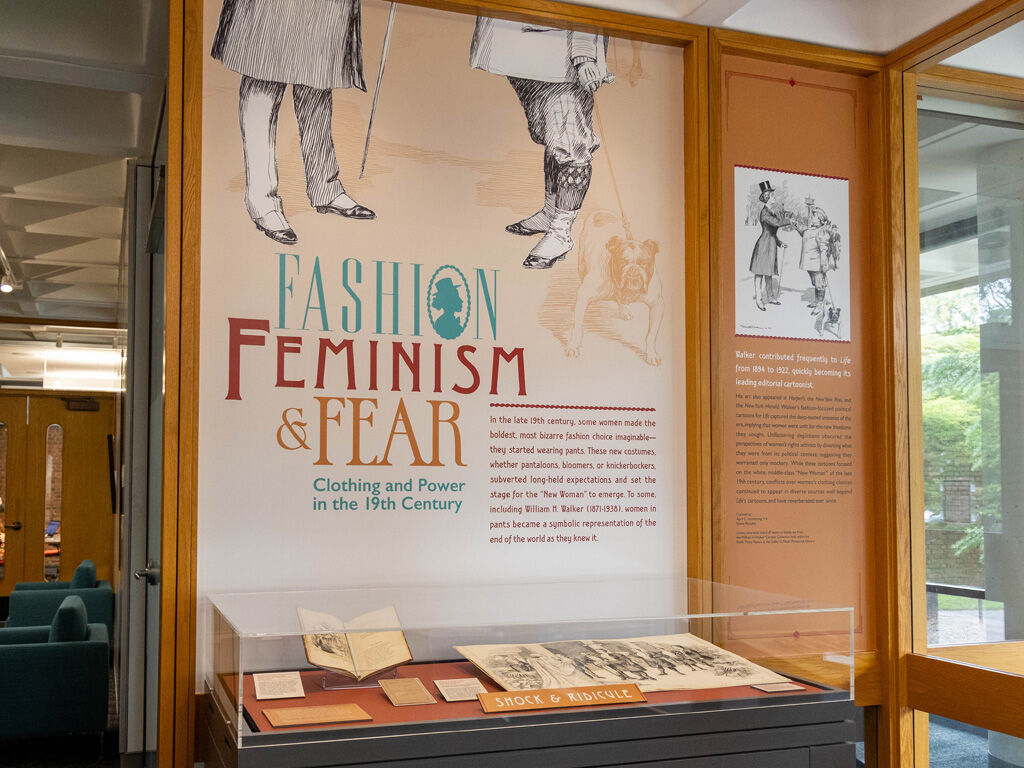
A new exhibition at Princeton University’s Seeley G. Mudd Manuscript Library examines how late 19th-century political cartoons ridiculed women for challenging gender norms — particularly through fashion.
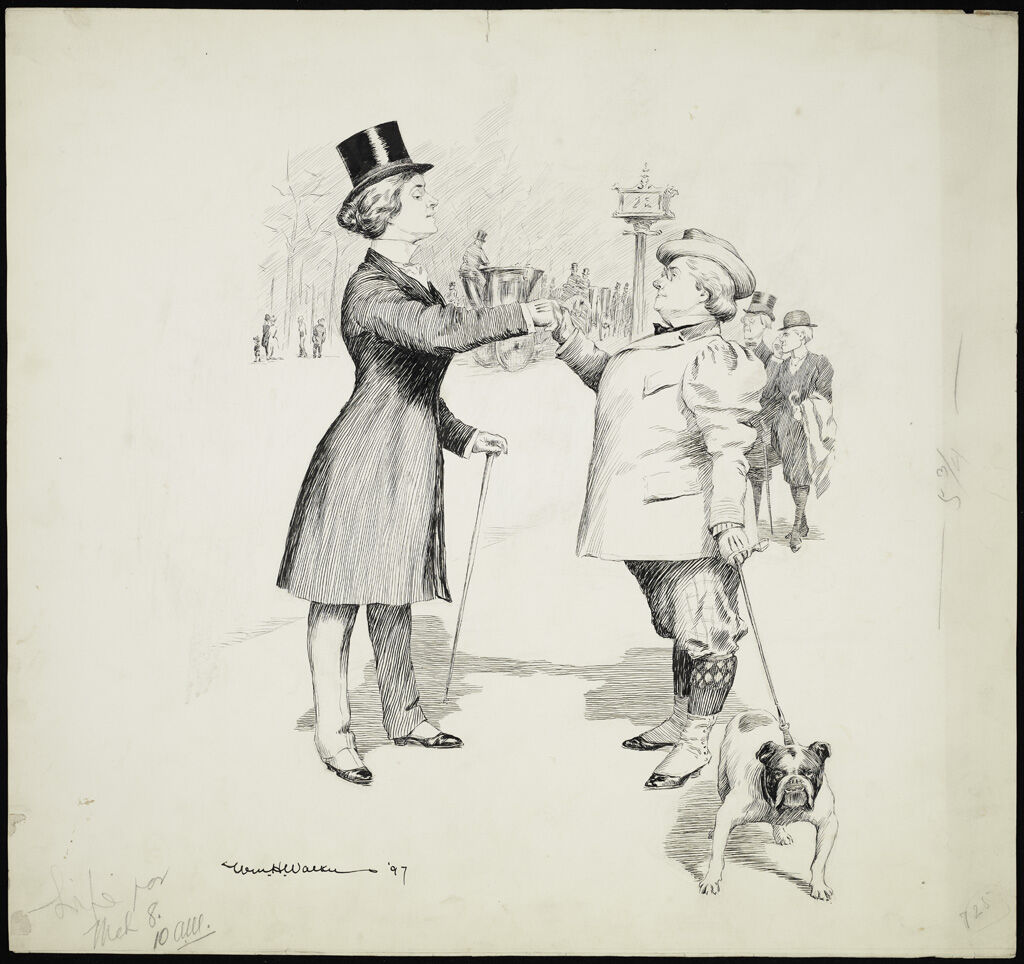
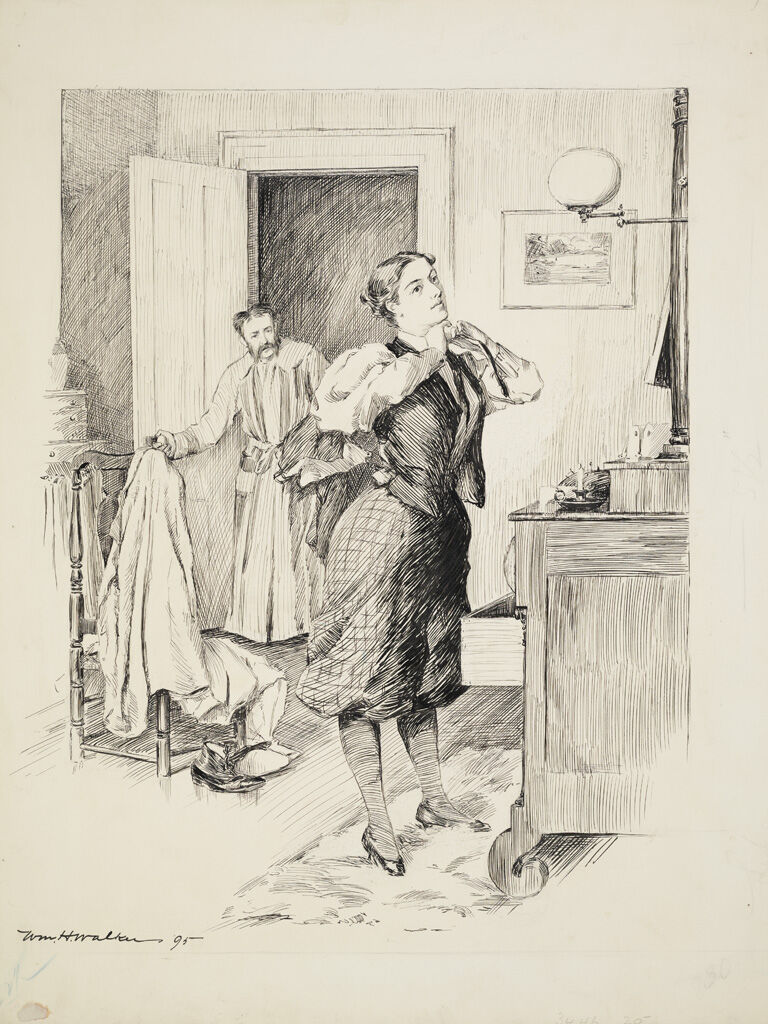
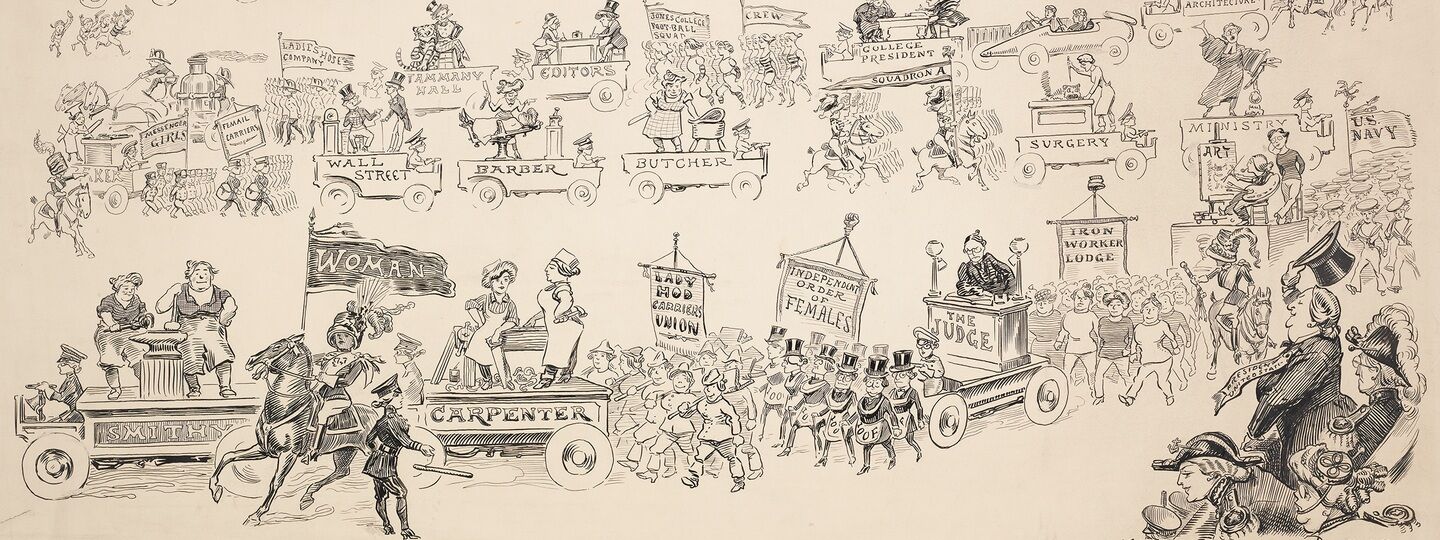
Titled “Fashion, Feminism and Fear: Clothing and Power in the 19th Century,” the exhibit features dozens of editorial cartoons that satirize the rise of the “New Woman,” a cultural shift in which women began wearing pants, tailored jackets, and sportswear while entering traditionally male-dominated spaces.
The exhibition, curated by Library Collections Specialists April C. Armstrong and Emma Paradies, centers on works by American cartoonist William H. Walker (1871–1938).
Walker published in magazines such as Life between 1894 and 1922. Most of the featured cartoons were published in 1895–1896, during the peak of public discourse over women’s fashion and societal roles.
Walker’s illustrations often portrayed women in pants as subjects of scorn, reflecting broader anxieties of the time and reinforcing ideas that women were unfit for greater freedoms.
The exhibit critiques how such cartoons stripped clothing of its political symbolism and diverted attention from the larger women’s rights movement.
“Fashion, Feminism and Fear” draws clear connections between past and present, highlighting how gender expectations and appearance-based judgment continue through modern-day advertising and cultural messaging.
A public opening event with the curators will take place Tuesday, Sept. 16, from noon to 2 p.m. In addition to viewing objects in traditional cases, attendees will have the chance to explore tactile items not typically on display.
An interdisciplinary symposium exploring the exhibit’s themes will follow on Oct. 17. More information is available at library.princeton.edu/fashion-feminism-fear-symposium.
The exhibition runs through April 2026 and is open to the public during regular Mudd Library hours at 65 Olden Street. Visitors are encouraged to check the Princeton University Library website for current operating hours.