Election season in Robbinsville this year has been unusually quiet, with no contested races on the Nov. 4 ballot.
Councilman Mike Todd is running unopposed for mayor, and incumbents Deborah Blakely and Hal English are seeking new four-year terms on Township Council.
The Board of Education contest is also uncontested, with incumbents Raghu Nandan, Peter J. Oehlberg, and Jeffrey Pierro each running for re-election to three-year seats.
The October issue of the Robbinsville Advance ran and article with Q&A interviews with Todd, Blakely and English, which can be read on communitynews.org.
This month, the Advance turns its focus to the Robbinsville Township School District election. Each of the candidates was asked to answer questions dealing with district finances, teacher recruitment, student wellness, communication with families, and continued support for the arts.
Below are biographical summaries and responses to the questions posed by the Advance.
* * *
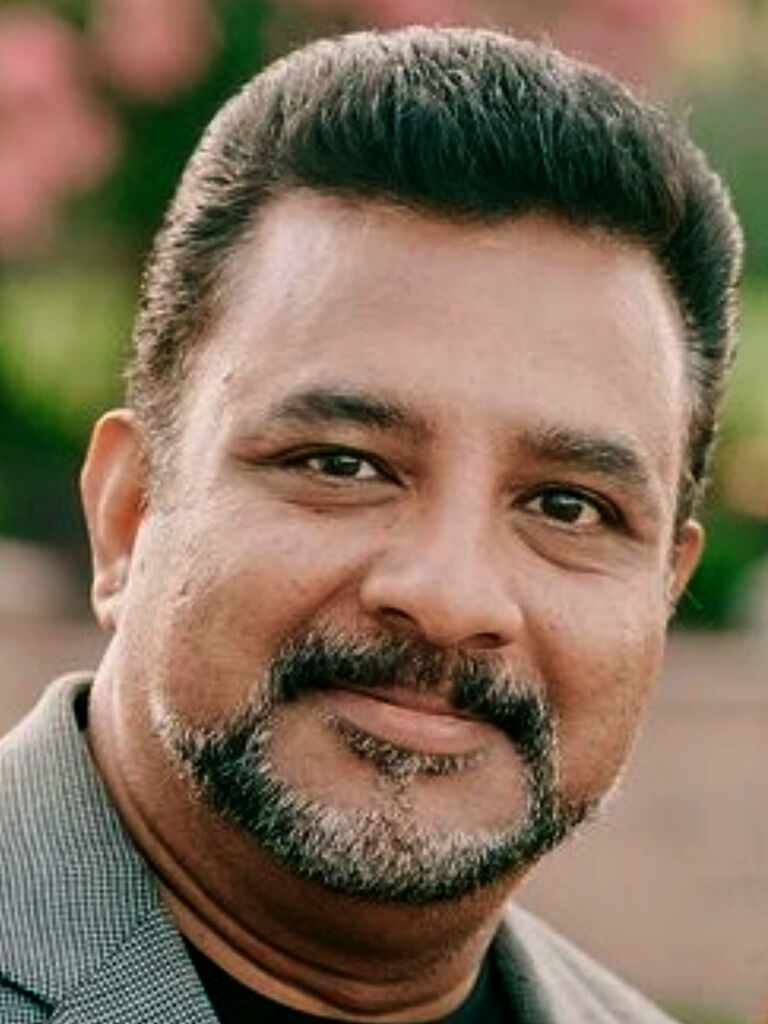
Raghu Nandan has lived in Robbinsville since 2007 with his wife Pushpa. A graduate of Bangalore University, India, he holds a computer science degree.
Nandan is currently a senior product director at GSK and has previously worked as a senior technology and management professional with experience spanning 25-plus years in information technology.
Nandan and his wife have a daughter who attended the Robbinsville School District.
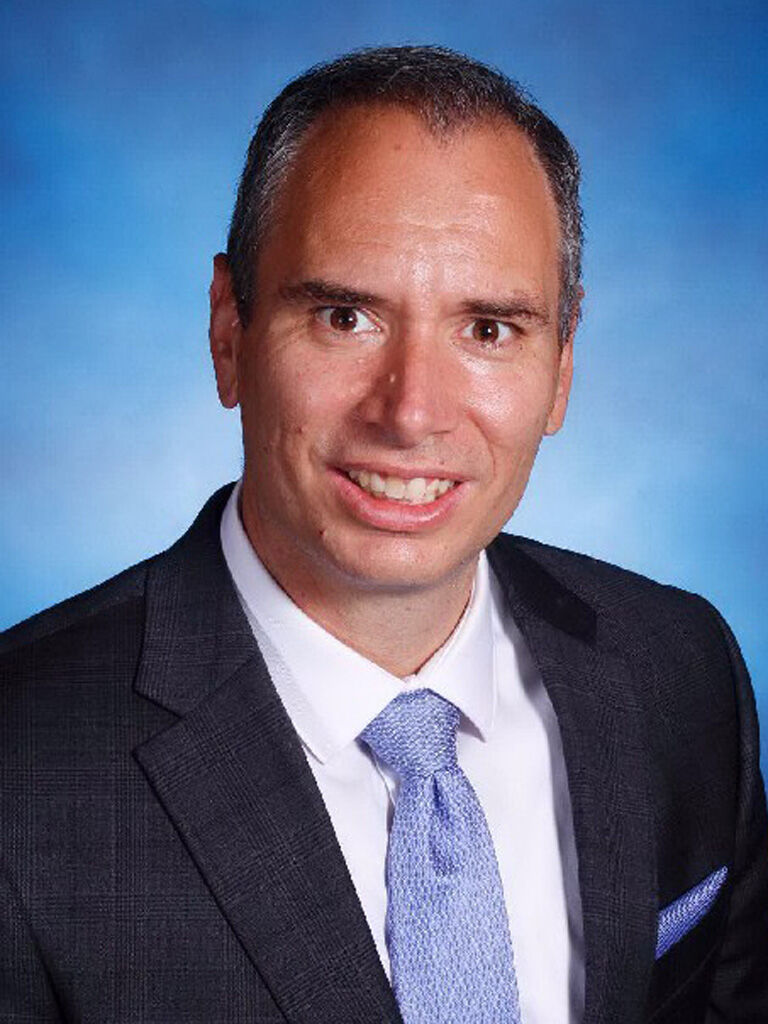
Peter Oehlberg and his wife, Annmarie, are 13-year residents of Robbinsville. The couple have a son who is attending school in the Robbinsville School District.
Oehlberg holds a master’s in pharmaceutical management systems and currently works as director, Technical Operations at Bracco Diagnostics, Inc.
He has worked with Habitat for Humanity, Robbinsville Little League, One Project and the Robbinsville Clean Team.
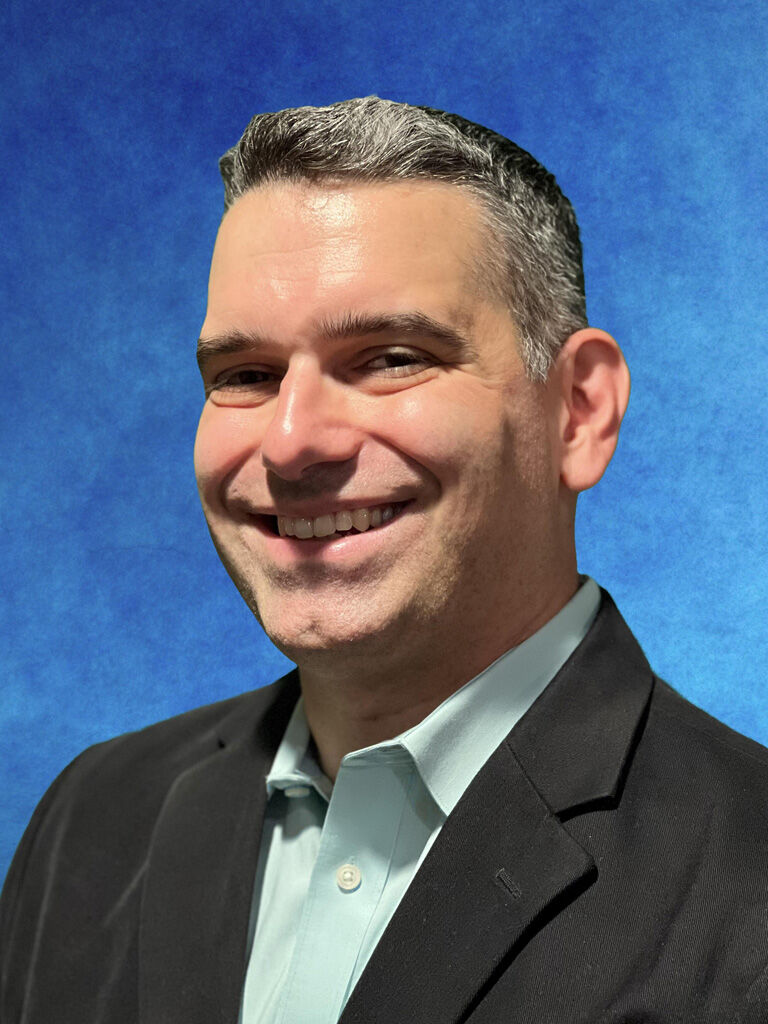
Jeffrey Pierro has lived in Robbinsville with his wife, Amanda, since 2019. The two have twin girls, who they intend to send to Robbinsville schools when they are older in a few years.
He completed his undergraduate studies at Seton Hall University majoring in secondary education and history. His master’s in education is from The College of New Jersey, and he earned his doctorate in educational leadership from Rowan University.
He works as the principal of Gateway Regional High School, which serves the communities of Woodbury Heights, Wenonah, National Park and Westville.
Candidate Q&A
The district is likely facing reduced state/federal aid and other funding uncertainties, which could affect both curriculum and essential student support services. How would you balance protecting these services with budget constraints?
Nandan: We believe a budget is more than numbers, it is a reflection of our values. And our values must always put children first. Even in the face of reduced state and federal aid, I have worked to protect the areas that touch students most directly: core academics, special education, mental health support, and the programs that inspire students like the arts, athletics, and career pathways. These are not extras. These are essentials.
At the same time, we have taken real steps to tighten operations without hurting classrooms. I helped implement monthly budget reviews to track projections vs. actuals in real time, so we can act proactively not react in crisis. I have pushed to examine outside contracts, reduce duplication, and explore shared services and smart technology to cut costs wisely.
We also believe in finding new funding, not just trimming the old. That’s why I have encouraged grant tracking and transparency, so our community knows what resources are coming in and where they go. And I have advocated with the state for fairer funding because local taxpayers can’t and shouldn’t carry the full burden alone.
This is about protecting what matters most: our kids and their future.
Oehlberg: The aid we receive from the state and federal governments is never guaranteed. This makes it important to maintain a careful balance between fiscal responsibility and the preservation of essential student educational and support services. I have worked with the school district to clearly identify programs and resources that have the greatest impact on student learning, mental health, and overall well-being.
At the same time, I have worked with the district to pursue efficiencies and alternative revenue sources, such as shared services, grants, and partnerships, to offset potential funding gaps. We have also thoroughly reviewed the operational and non-instructional expenses to ensure that available resources are directed where they matter most, in the classroom and toward benefiting students.
It is imperative that the Board remains transparent and openly communicates with staff, families, and the community regularly about the status of the present and future budgets. By engaging everyone early and explaining both challenges and decisions clearly, we can foster trust and shared understanding, no matter the financial circumstances.
Ultimately, my goal continues to be to ensure the quality of education and the necessary supports that enable every student to thrive, while upholding our duty to manage district finances prudently and sustainably.
Pierro: As a Board, our responsibility is to make every financial decision through the lens of what is best for students. Robbinsville, like many districts in New Jersey, faces uncertainty around state aid and other funding sources. That reality requires disciplined budgeting, long-range planning, and a willingness to think creatively about how we allocate resources.
When I first took office, we inherited a difficult budget and an unsettled teacher contract. Through collaboration and transparency, we stabilized district finances, settled the contract in a way that retained great educators, and protected key programs. We did not make reactionary cuts that would have hurt students or staff. Instead, we focused on building revenue streams, pursuing grants, and evaluating expenditures line by line.
Moving forward, I will continue to prioritize programs that directly impact student learning, safety, and mental wellness. We must also continue to look for efficiencies in shared services, technology, and energy use.
Like many districts, Robbinsville is dealing with shortages in teachers. What strategies would you support or propose to recruit, retain and support high-quality teachers?
Nandan: Every strong school begins with a respected, supported teacher in the classroom.
Over the past year, I have helped support a shift in leadership culture that repaired strained relationships and helped us finalize the teachers’ contract. But that’s just the beginning.
We must work to ensure that Robbinsville is a place where great educators want to come and stay. That means competitive compensation, yes but also a culture that honors their expertise, trusts their judgment, and includes them in decisions that affect their classrooms.
To truly support educators, we would continue advocating for:
• Competitive pay and benefits
• Structured mentorship for new teachers, so they’re not navigating challenges alone
• Ongoing, practical professional development tied to what teachers actually face in classrooms
• Inclusion in policy conversations that impact their students
• Public recognition and support, both in the district and in the wider community
When we uplift teachers, we uplift every student they teach. And we cannot build an excellent district without investing in the people who make it possible.
Oehlberg: In order to recruit, retain, and support the best teachers for Robbinsville students, we must ensure a professional environment where teachers feel valued, supported, and empowered to succeed. Creating a suitable environment is not only a responsibility of the staff, it is also a Board responsibility.
Over the last two years, I have walked through the halls of our schools with the administrators to meet the teachers and staff observing them at their best, in the classroom. This has given me the opportunity to personally thank teachers and express gratitude for everything they do for our students every day.
Another strategy I would support would be to strengthen partnerships with colleges and universities to create pipelines for student teachers and recent graduates. The establishment of mentoring programs and a Robbinsville homegrown initiative to encourage our graduates to pursue certification can also help build a sustainable workforce
Also, it is difficult to discuss retention without support. It is important that Robbinsville provides competitive compensation and benefits, not only in the beginning, but throughout the career of our teachers. This includes meaningful professional development, opportunities for leadership, and recognition of excellence in the classroom.
Finally, ensuring teachers have the tools, resources, and manageable class sizes they need to be effective is critical. When educators feel heard and equipped to meet their students’ needs, they are far more likely to stay and grow within the district.
Pierro: Teaching is one of the most important and demanding professions. To attract and keep exceptional educators, we must make Robbinsville a district where teachers feel supported, valued, and heard.
Strong mentorship is key to building a positive culture and ensuring long-term stability. As someone who mentors new administrators through the NJPSA Leader-to-Leader program, I’ve seen how effective guidance and support can shape careers and strengthen schools.
Retention starts with culture. Teachers should feel trusted to do their best work and have access to meaningful professional development that helps them grow. Competitive compensation and benefits matter, but so does a supportive environment. When staff feel respected, connected, and appreciated, they stay. As a district, we should celebrate excellence, provide constructive feedback, and ensure that teachers have the necessary tools and time to focus on student success.
Given stresses from school assignments, pressure on students, potential curriculum changes, and overall post-pandemic effects, what policies would you like to see prioritized to support students’ mental wellness, reduce stress, and promote resilience?
Nandan: The pressures on students today are real from academics and social pressures to lingering effects of the pandemic. We owe it to them to respond with compassion and courage.
That starts with continuing to invest in mental health supports: more counselors, safe spaces, trusted adults, and open lines of communication. But it is also about school climate making sure every student feels like they belong, that their voice matters, and that they are not defined by a number or a test score.
We also need to make sure our academic structures reflect the whole child, not just their GPA. That means flexibility where needed, clearer communication with families, and programs that allow kids to discover their strengths.
At a recent student job fair, a student asked me: What’s the most important skill to have?
My answer was simple: a positive attitude. That one mindset can unlock curiosity, persistence, and the ability to bounce back. We need to build a system that helps our students carry that mindset forward.
Oehlberg: Supporting the mental health and well-being of our students must be a top priority for the district. Academic success depends on students feeling safe, supported, and emotionally balanced. I would advocate for policies that advocate for access to school counselors and social workers and include mental health education in the curriculum.
Equally important is building resilience and belonging through mentorship, peer programs, and staff training to recognize and support the needs of students. By prioritizing mental wellness alongside academic achievement, the district can help every student develop the confidence, coping skills, and emotional strength necessary to thrive in school and in life.
Pierro: The pandemic has magnified challenges such as academic pressure, social media influences, and social-emotional stress. Schools must take a proactive approach to help students develop the strategies they need to cope with these challenges and to make healthy choices.
I believe we should continue investing in mental health professionals, peer mentoring programs, and partnerships with community agencies. Students also need guidance in understanding both the risks and the benefits of social media, learning how to use it as a tool for connection and positivity rather than stress or comparison. By promoting mindfulness, wellness education, and meaningful relationships with trusted adults, we can create a supportive environment where students feel safe, valued, and equipped to thrive.
How will you ensure that families are kept informed and consulted about major decisions? What mechanisms should exist for public feedback and accountability?
Nandan: Transparency is not just a word, it’s a responsibility. That’s why I have led efforts to publish regular summaries of board meetings, so even those who can’t attend in person can stay informed. I have advocated for clear, jargon-free communication and stronger two-way channels for feedback. But it’s not just about information it’s about engagement. I have helped organize community dialogue events with the Superintendent, creating space for honest questions and shared problem-solving.
And we have made it a point to show up, to listen, and to follow up because public trust is earned through consistency and presence, not just policy. We will keep pushing for structures where every family, whether they speak often or not, has a place at the table.
Oehlberg: Enhanced communications in order to increase transparency with families and the community was a chief topic that I championed during my first term on the Board. Regular and transparent communication with the families and community members fosters an environment of trust with the public.
This is why I publicly pushed for initiatives like the release of committee meetings to the public, the use of BoardDocs to retain all of the critical meetings notes and public meeting agendas, and encouraged the sharing of all non-confidential questions from Board Meetings or emails posed by families or the community in an F.A.Q on the District website for all to have access. The Board of Education is established to serve the public. The Board regularly checks our District emails to ensure all community feedback is responded to timely with the appropriate amount of detail.
Pierro: Transparency is the foundation of public trust. Families deserve clear, timely communication and genuine opportunities to be heard. The district’s use of ParentSquare and regular website updates helps ensure that accurate information is shared quickly and consistently.
As a Board member, I believe in open communication about district initiatives, budgets, and policy decisions. The district has sought community input on strategic planning and continues to provide updates on the plan’s implementation during public board meetings. I also believe we have a superintendent who has been accessible to families and community members, taking time to answer questions honestly and authentically.
By continuing to strengthen two-way communication through tools like ParentSquare, public meetings, and community engagement opportunities, we can maintain trust and ensure that families remain active partners in our schools.
How should the board balance curricular integrity, as determined by educators and state standards, with potential parental concerns about content?
Nandan: Our educators are professionals, and curriculum should be guided by state standards, evidence-based practices, and the expertise of those who teach every day. But I also deeply respect that parents care about what their children are learning, and they deserve both clarity and trust.
When concerns arise, we believe in:
• Providing full information—not rumors
• Creating safe spaces for civil discussion
• Listening deeply without compromising our students’ right to a well-rounded, inclusive education
Not every concern will lead to a change but every voice deserves to be heard. And when decisions are made, the “why” should always be shared openly. I believe we can uphold curricular integrity and still foster parental trust, if we approach both with respect and transparency.
Oehlberg: Evolution is expected in all aspects of our daily lives so it should be expected in education as well. It is imperative that the Board of Education ensures timely communication with families as education standards or state standards evolve. Keeping families informed and engaged in major district decisions is essential to maintaining transparency, trust, and a strong sense of partnership between the schools and the community. I believe communication must be both proactive and accessible, ensuring that families receive timely, clear information and have meaningful opportunities to share their perspectives.
To achieve this, I support the use of the multiple forms of communication available for the community to provide feedback. These communications platforms include ParentSquare, district-wide emails, newsletters, website updates, and social media — as well as opportunities for two-way engagement such as Public Meetings, listening sessions, and advisory committees. When families are informed early and invited to participate in the decision-making process, the district benefits from diverse viewpoints and stronger community support.
Pierro: Parents are essential partners in their children’s education, and their involvement strengthens the connection between home and school. Open communication helps ensure that families understand what is being taught and why, creating a shared sense of purpose.
At the same time, curriculum must be grounded in state standards, sound instructional practices, and the professional expertise of educators. Our teachers are trained to provide learning experiences that prepare students for success in college, careers, and life. It is important to trust their judgment and support their work.
When questions or concerns arise, there should be a clear and respectful process for discussion. Parents should have access to curriculum materials and opportunities to seek clarification. Most issues can be addressed through conversation and collaboration. The Board’s role is to uphold academic integrity while fostering trust among families, educators, and the community through consistent communication and transparency.
The Robbinsville School District has long emphasized music, theater, and visual arts as essential parts of a well-rounded education. How will you support continued investment in arts programs?
Nandan: Music, theater, and visual arts aren’t side programs; they’re core to helping students discover their voice. Arts help kids build confidence, creativity, and connection. I have stood consistently for protecting arts funding and making sure our kids continue to have access to vibrant programs that light them up, whether it’s a concert stage, an art room, or a theater production.
In a world that sometimes measures too much by test scores, the arts remind us of something deeper: the joy of expression, the courage of performance, and the power of beauty.
We will continue to support these programs and the staff who lead them with passion and excellence.
Oehlberg: Theater and arts are an important part of a well-rounded education and an essential part of what makes Robbinsville such a special district. Music, theater, and visual arts not only foster creativity and self-expression but also build confidence, collaboration, and critical thinking, which are skills that support success in every academic area and in life beyond school.
I supported the investment in the refurbishments of the stage and auditorium lighting at RHS to improve quality and safety for student use. I also support continued investment in arts programs by ensuring they remain a component of the curriculum and by advocating for access to arts opportunities for all students. This includes maintaining funding for quality instruction, facilities, and materials, as well as celebrating student performances and exhibitions that connect our schools with the broader community.
Pierro: Educating the whole child means nurturing not only academic skills but also creativity, curiosity, and emotional growth. The world continues to change, but knowledge, creativity, and passion remain constant. The arts play a vital role in helping students develop these qualities and become well-rounded individuals.
Music, theater, visual arts, and literature teach us about the human condition. They help students understand emotion, culture, and perspective throughout our history. These disciplines encourage empathy, imagination, and reflection while giving students powerful outlets for expression, confidence, and collaboration. Robbinsville has earned a strong reputation for its arts programs, and we should continue to support and invest in them.
Our goal should be to maintain high-quality arts opportunities for our students. Supporting the arts is not only about performance, but about developing creative, compassionate learners who understand themselves and the world around them.
Is there anything I haven’t asked about that you would like to address or see addressed in your upcoming term?
Nandan: Yes, something simple but powerful: Leadership is action, not position.
Leadership means more than showing up to meetings; it means showing up to work. I have rolled up my sleeves to document meeting minutes, support school events, and answer questions from parents and students alike. I fought to give our student council a seat at the board table, because kids deserve a voice in the system that shapes them.
I also recently presented a detailed proposal on how to responsibly introduce AI into education, balancing innovation with safety and ethics. Because preparing our kids for the future means being thoughtful about the tools they’ll encounter. Above all, I want our district to keep evolving not through buzzwords, but through steady, values-driven action.
What drives me is simple: children first. Every decision I make is measured by one question – does this help our kids thrive?
The work isn’t always easy. But it is real. And it’s worth it. I will continue to show up with integrity, consistency, and care for every child, every teacher, and every Robbinsville family.
Oehlberg: Three years ago when I decided to run for public office, I ran on three main issues: 1) Staff Retention, 2) Refocus on Education, and 3) Community Collaboration. I think we have made major strides in all of these areas.
In the area of staff retention, I joined the negotiations committee to find a resolution to the 12+ month teacher contract negotiations and it was settled within the first three months. This ended a long term loss of quality staff for the district, stabilizing our exceptional staff.
The stabilization of the staff in the district allowed for a refocus on education. We also completed a several month process for a new superintendent, who I feel brings compassion and a clear vision for the district putting the children of Robbinsville schools at the center of every decision.
Finally, we as a Board have enhanced the community collaboration and communication through the great work of the community relations committee as well as new technology enhancing transparency with the residents of Robbinsville.
I still believe in a public school education and the importance of preserving a school culture where every child, every staff member, and every community member feels safe, valued, appreciated, supported, and respected. I look forward to serving the students, parents, and residents of Robbinsville ensuring that our students remain at the center of every decision we make. The first question I ask myself and others as we work through issues both easy and difficult is, “How does this benefit our students?”
Pierro: As I seek re-election, my focus remains the same: every child at the center. Every decision we make, whether about curriculum, safety, or finance, should begin with the question, “Is this best for our students?”
We have made meaningful progress over the past several years. We stabilized finances during difficult times, completed a successful superintendent search, expanded pre-k offerings, and preserved the programs that make Robbinsville a district families are proud to call home. There is still more work to do, and I remain committed to investing in our students and their future.
Looking ahead, I want to strengthen our focus on career readiness, real-world learning, and meaningful connections between classroom instruction and future pathways. Students should graduate not only with knowledge but also with the skills and confidence to apply it.
We must also continue to prioritize school safety and facilities so that every child learns in an environment that is secure, modern, and inspiring.