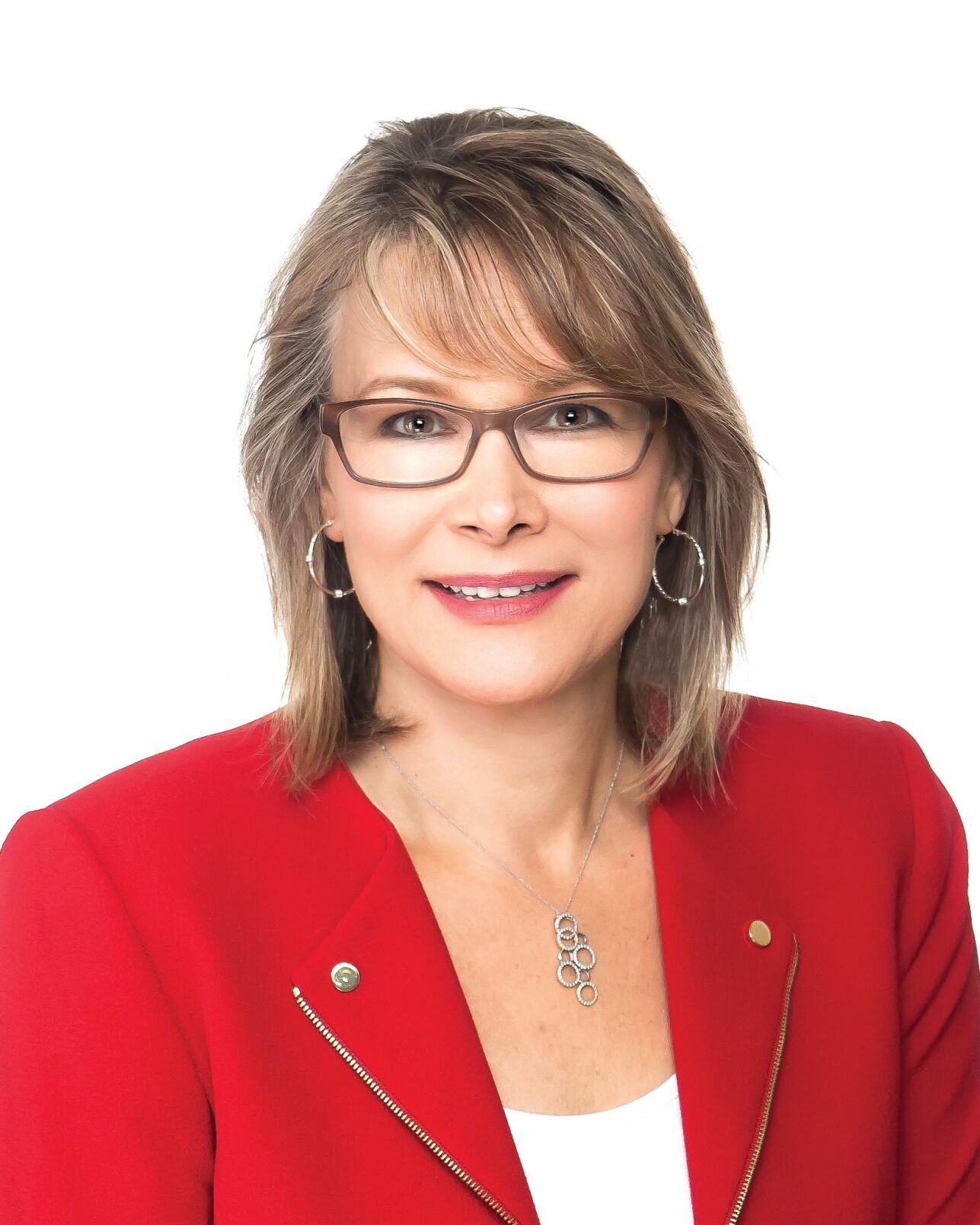
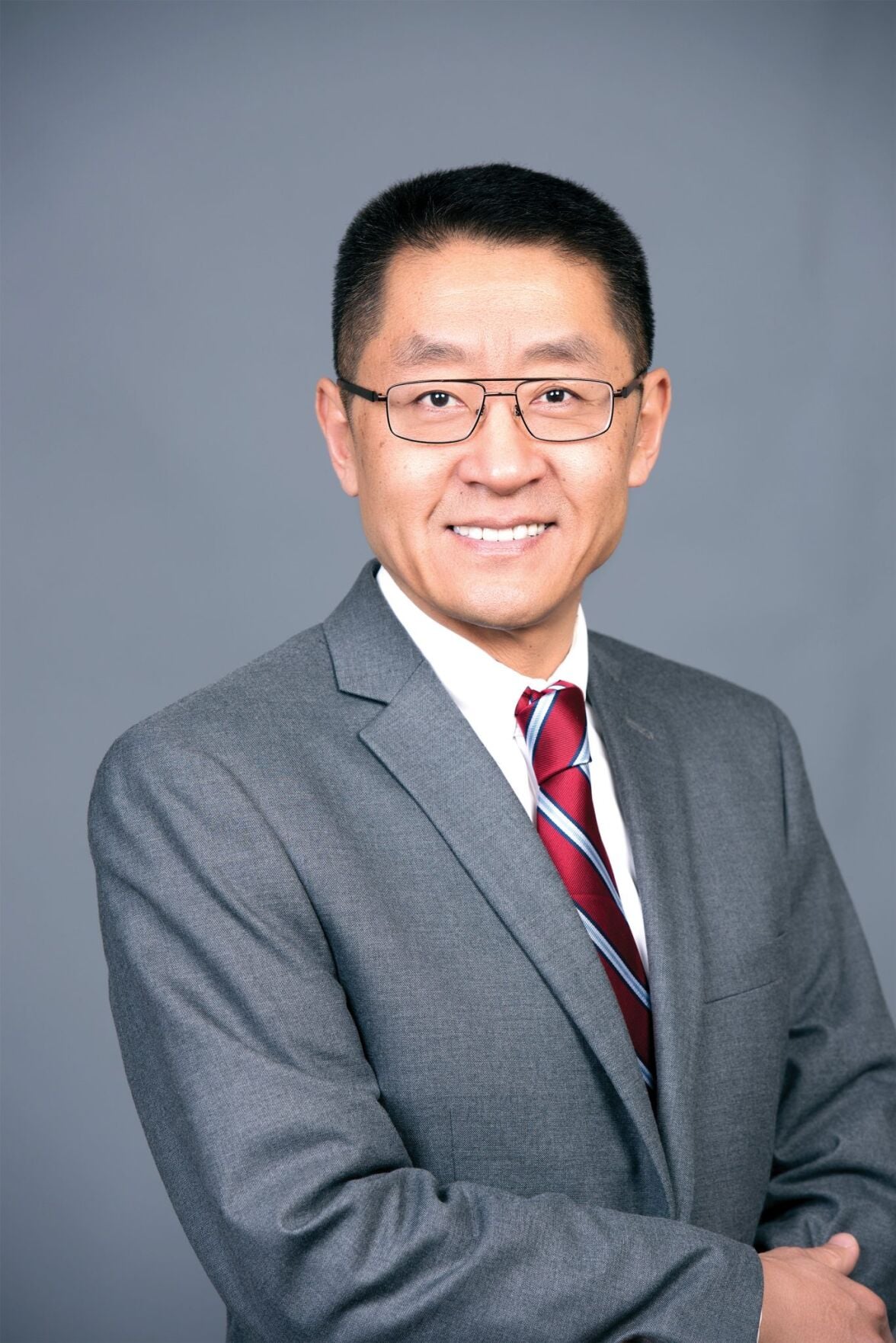
Four candidates are running for election to two open seats on West Windsor Council in the Nov. 7 election.
Incumbent Linda Geevers and her running mate Virginia Manzari are being challenged by the team of Kristin Epstein and Yingchao “YZ” Zhang. The seats are for four-year terms.
The other open seat was vacated earlier this year by the resignation of Peter Mendonez. The seat was temporarily filled by Jyotika Bahree, who said she did not intend to run for re-election when she was appointed to fill the seat.
Kristin Epstein, 42, has lived in West Windsor since 2004 with her husband, John. She holds a bachelor’s degree in engineering from Princeton University and a master’s in engineering from Johns Hopkins University.
She has been the executive director of YingHua International School since 2013, and previously worked as project engineer with Environ International Corporation, Golder Associates, Buchart Horn and PBS&J between 1997 and 2008.
Epstein has served as a member of the West Windsor Environmental Commission, a trustee on Friends of West Windsor Open Space, president of the Princeton University Princeton Area Alumni Association, and as a Girl Scout leader.
Linda Geevers, 58, has lived for is a 22 years in the township with her husband, Neil. The couple raised three daughters who attended WW-P schools from kindergarten through 12th grade.
Geevers, who was first elected to township council 12 years ago, holds a residential real estate license that is in a referral network with Keller Williams Real Estate-Princeton. A graduate of Cornell University with a bachelor’s degree in communication arts, she has worked in radio news as a reporter/producer.
Before being elected to council, Geevers served as a member of the W-P School Board from 1999 to 2005. She has served on the planning board for four years and is a member of the West Windsor Arts Council, the West Windsor Bicycle and Pedestrian Alliance, Friends of West Windsor Open Space and a former PTA/PTSA member. She has also coached WW-P girls’ recreation basketball for 10 years.
Virginia Manzari, 53, has lived in the township for almost 20 years with her husband, Steve. The couple has two children. She holds an undergraduate degree in education and an MBA from Cornell University.
She currently works as a marketing strategy and communications consultant, and previously was employed in brand management, marketing strategy and business development. Former employers include Johnson & Johnson, Pfizer, Procter & Gamble, and two start-ups. Prior to that she was a public school teacher.
She has volunteered in her children’s schools every year since they started pre-school and served as vice president of fundraising for the PTA at Millstone River School.
She has also served on the documents review committee for the West Windsor Council and is a member of the zoning board and site plan review advisory board.
Yingchao “YZ” Zhang, 54, has lived in West Windsor since 2000 with his wife, Dr. Fong Shu. He holds a bachelor’s degree from University of Science and Technology of China, and was a PhD candidate at the Physics Institute of Chinese Science Academy in Beijing before he came to America for graduate school in 1989. He earned a PhD in high energy nuclear physics in 1995, and went on to Columbia University to become a researcher/postdoc.
Zhang runs the U.S. operation for CrossFlow Software Inc. Previoulsy he was a principal sales engineer and then the director of sales engineering for NetScout Systems, and senior network consultant at International Network Services (INS) working at Morgan Stanley.
He is currently a member of the WW-P School Board and a board member and president of Central Jersey Chinese American Association. He has also served as the board chair for Huaxia Plainsboro Chinese School and is an advisory board member on the West Windsor Arts Council.
***
The News asked each of the four candidates a series of five questions. Their responses appear below.
Why do you feel you are the best candidate for council, and what differentiates you from the other candidates?
Epstein: As a licensed professional engineer in civil engineering, I have the education and experience needed to update the West Windsor Township Master Plan, which affects how the township addresses infrastructure, development, traffic, environment and recreation. I have taken courses in roadway design, water system hydraulics, bridge and dam design, storm water management and other infrastructure engineering.
I have authored several stormwater pollution prevention and contingency plans. I have planned sewer alignments, investigated wastewater treatment facilities and conducted environmental site assessments at businesses and homes throughout New Jersey and other states. Moreover, I have ushered businesses through permitting processes and compliance regulations in many communities.
To effectively translate professional reports into public policy, elected officials must understand technical documents, such as United States Geological Survey maps and sewer management plans. I actually like to think about infrastructure. Additionally, I have extensive business development, fundraising and grant writing experience.
Geevers: I am honored to have served West Windsor residents for the past 12 years as an elected member of the township council. Through the years, I have been president twice, vice president three times and served as a liaison or member on various groups, including but not limited to the parking authority, affordable housing committee, the environmental commission and the WW-P School Board.
My four years on the planning board have given me valuable experience in land use applications. I was on the planning board when the Windsor Plaza Shopping Center application was reviewed and approved. Residents are now enjoying new restaurants and businesses.
In addition, I was elected to two terms on the WW-P School Board (1999-2005) having been appointed vice president twice and chair of various committees. This was a period of growth when the district was building new schools/additions and meeting the challenges of improving upon our excellence in education. All of this tremendous experience is critical for decision-making, as the township is once again experiencing a period of explosive growth.
The council candidates on the opposition team have no land use experience on either the planning board or the zoning board, nor have they ever been elected to council. It takes time to understand the processes and to gain experience in dealing with so many varied issues. Together with my teammate Virginia Manzari, who has served for four years on the zoning board, as well as the site plan review advisory board, we have the experience to thoughtfully analyze the impacts on future development in order to protect our quality of life for residents of all ages.
Manzari: My business expertise and land use experience is extensive and unmatched by my opponents, and it is critical to the job of council member. In addition to working for three Fortune 50 companies, where I launched several new brands while successfully managing existing businesses and budgets many times the size of West Windsor’s, I worked for two start-ups in different industries (telecommunications and design).
This breadth and depth of experience will be essential in executing our plan to control taxes by increasing business development, streamlining processes, and improving our reputation within the business community, all of which will result in improving our tax base and reducing residents’ taxes. I have served on the zoning board for four years and site plan review advisory board (which reviews applications for both aoning and planning boards) for two years.
There is a learning curve to this type of work, and unlike my opponents, I will be well prepared when presented with critical decisions involving the development of properties in West Windsor, especially significant ones like the Howard Hughes site.
Zhang: When I become Dr. “X-YZ” one day, I want to be remembered as a problem solver and a peacemaker. With my strong scientific training, technology knowhow and business experiences, I have the capacity to find creative solutions best suited for the problems in hand. As a small but recent example, I proposed the idea of using data from Google Maps for township traffic studies, and have researched and found use cases that work for townships without having to spend much money to install devices and collect data.
As a peacemaker, I understand disagreements are common in policy discussions and decision making. I listen to all sides with the attitude of putting myself into their shoes to fully understanding their motivations and rationales. I recognize and acknowledge good arguments on all sides, from which common ground can be built. As a school board member for three years, I have built a reputation for being level-headed in my communication with all members of school board and different communities.
What do you think should be done with the Howard Hughes property?
Epstein: The size and location of the Howard Hughes property presents a unique opportunity for West Windsor to increase tax revenue and to use the large parcel to benefit our residents. The Conceptual Land Use Plan presented by the Howard Hughes Corporation is unacceptable because it is designed to benefit the landowner at a terrible cost to our tax base, schools, and infrastructure.
By engaging in a dialogue with the landowners, and backed by our zoning authority, we can ensure that the site is developed at a far smaller scale than proposed. Instead of opposing all development—which will ensure the land remains blighted and does not produce revenue—the site could enhance West Windsor by proving a home to new businesses, open space and recreational space, and limited appropriate housing, such as housing for non-school-aged residents and affordable housing.
Geevers: The Howard Hughes property is one of the largest undeveloped commercially-zoned properties between Washington D.C. and Boston. The team of Marathe-Geevers-Manzari supports maintaining the existing zoning of Research-Office-Light Manufacturing and is unequivocally against rezoning this property for residential use.
Allowing housing on this land would bring in more school children and would require the construction of several new schools. Municipal services for police and fire protection would also greatly increase. This would result in an upward spiraling of our tax burden.
Instead, our goal is to work with the existing zoning to generate the highest amount of commercial tax revenue to benefit West Windsor residents. We must enlist the help of a business development director with proven expertise to brand West Windsor, recruit future companies and work with the Howard Hughes Corporation and other firms. We must create exciting new sustainable plans that will benefit residents financially and from a quality of life standpoint. High paying jobs with a 10-minute commute are what many residents desire.
Manzari: Howard Hughes Corporation should either build according to current zoning—research, office and light manufacturing—or sell to someone who will. Their proposal to build nearly 2,000 homes would forever change West Windsor for the worse—negatively impacting our schools, increasing our taxes, lowering our property values and increasing traffic congestion—and Marathe, Geevers and Manzari will do whatever it takes to stop them.
We have spoken with a land use attorney who has confirmed that maintaining the current zoning designation is the absolute best legal strategy for defending a lawsuit by HH. If the zoning were changed and the township negotiated with the developer over the number or type of homes as our opponents have suggested doing, the developer could still sue us, but we would lose our strength in court and likely end up with even more homes.
That is what happened at the train station redevelopment. One of our mayoral opponents negotiated a deal which increased the number of homes from 350 to 800, with only 12 percent affordable housing (when the standard is 20 percent)—a terrible deal for West Windsor.
A similar deal on the enormous HHC property would be devastating to West Windsor. Rezoning this property for education purposes, as suggested by our opponents, would not generate significant tax payments to the township. Because one of my opponents was on the board of the private school that sued WW-P School District several years ago in an attempt to gain charter school status, I am concerned about the use of HH land for a charter school.
It would have the added negative financial impact of draining at least a million dollars per year out of the school district budget. Instead, this property should be developed to increase commercial ratables and take the heavy tax burden off residents. A new business development director could facilitate a deal between HH and other interested companies.
Proximity to Routes 1, 95 and 295, its location between NYC and Philadelphia, and a highly educated work force make this a very attractive property. One idea that would generate little to no traffic (and most importantly no school children) is a data center (buildings filled with computer servers).
A solar complex could power the facility, and trees, shrubs and other greenery could block it from sight. Using the land in this way would generate millions of tax dollars which could be used to fix infrastructure—roads and sidewalks throughout town which are sorely in need of repair. Most importantly, it would eliminate the threat of a huge housing development being built on that property.
Zhang: Our team oppose the rezoning of the 653-acre property owned by Howard Hughes Corporation to include 1,967 residential units with estimated over 1,500 school-aged children. The large number of new residents and students will negatively impact the quality of lives of our town, and quality of education of our school district. On the flip side, HH property provides an opportunity to enhance West Windsor with smart development that could increase commercial tax revenue without adding more residents and students.
As we make West Windsor more attractive to high tech businesses in IT, pharmaceutical and green energy, as well as mid-sized corporate HQs, HH should be motivated to build office buildings and light manufactures as the current zoning dictates. I will address the question on how to make our township more attractive to businesses in my response to question #5.
Are you in favor of the project solar microgrid project at the municipal complex?
Epstein: Yes. I was greatly disappointed that the solar micro-grid project at the West Windsor municipal complex was blocked by the current council. If elected, I will work to reinstate the project, which would save taxpayer’s money and reduce our carbon footprint.
Unlike the solar panels on my own house, which provide enough energy to meet my family’s needs, the roofs of the municipal complex cannot support enough solar panels to produce sufficient electricity. If elected to council, I would value the guidance of experts such as Dan Dobromilsky, the landscape architect for West Windsor, who advised council last March that the solar micro-grid—and not a rooftop installation—was the most feasible option.
The micro-grid system is fiscally sound because it would provide lease revenue, clean energy to three municipal buildings, and additional back-up energy. It would ensure electric energy residency and stability within the municipal compound, and thereby better ensure the ability of the township to provide emergency services to the community during power outages. Solar panels would cover only 2.5 to 3.3 acres out of 45 acres of the municipal complex and would be hidden behind buildings, fencing and landscaping.
This project will not only reduce municipal costs, it will provide critical backup power to ensure that municipal services are no longer interrupted during storms.
Geevers: Through next year’s master plan review, the Censoni tract adjacent to the municipal complex should be discussed in terms of future expanded use. All ideas, whether for a micro-grid, a recreation center or anything else, should be publicly considered and acted upon after careful consideration.
I agree with numerous residents from across our community who have told me that they favor putting solar panels on roof tops and on parking canopies. If the idea of a recreation center gains traction, then we should consider a design that includes roof top solar panels which can generate electrical power not only for this facility, but for other adjacent municipal buildings.
If everyone keeps an open mind, multiple goals could be achieved. As an initial priority, the township should move forward with the budgeted and urgently needed purchase of a back-up generator for the Fire and Emergency Management Services building. Let’s start taking incremental steps towards a more sustainable future and more fully explore creative initiatives.
Manzari: I’m in favor of using solar wherever it’s cost effective and makes sense. Putting new generation solar at the municipal complex—where six buildings plus the parking lots could accommodate solar—makes sense and its fiscal impact should be evaluated.
Using next-gen technology (rather than the old-fashioned panels) would allow us to maximize efficiency and our return on investment. For the farmland next to the municipal complex, I’d like to see that used to benefit our community in better ways. Several sports organizations have expressed interest in using that land, and the West Windsor Recreation Commission has offered to conduct a feasibility study (funded by the Recreation Trust Fund) to determine the best use of that land. That’s an opportunity we should explore.
Zhang: Yes. I went to the town council meeting to voice my support, alongside with many residents. Unfortunately, the proposals were rejected by the council majority, twice. Our team published an in-depth article on the Oct. 17th issue of WW-P News. In summary, (1) we support green energy initiatives and innovative technologies; (2) the solar micro-grid would save money, bring in lease revenue; (3) it would also provide critical back-up energy to fire house, emergency services and to municipal offices in case of power outage; (4) at a time when West Windsor seeks to attract green businesses to increase our tax revenue, the micro-grid would help establish West Windsor as a leader in green energy.
How do you think communications between the council and administration can be improved?
Epstein: Consensus building can be achieved only if everyone is knowledgeable about and allowed input into the decision process. Varied viewpoints and healthy debate make the ultimate decisions stronger.
One way that communication can be improved between the council and the mayor is by scheduling regular meetings with each other. We cannot all be at the same meeting at the same time, otherwise it would be deemed an illegal de facto council meeting. However, we can meet one-on-one frequently.
Also, the mayor should report to the council about township-related meetings s/he has attended, either by memo, confidential if appropriate, or at council meetings.
Geevers: First, communications between the council and administration can be improved by providing more formal and regular department updates in writing from the executive branch. As former school board members, mayoral candidate Hemant Marathe and I received weekly written updates from the superintendent and key administrators.
With so much always going on, this was an effective way to stay informed of important issues. Second, I think the mayor and council should have a publicly noticed annual retreat to discuss priorities. This would allow time to have a more collaborative approach to decision making, rather than the top down approach of the past. Priorities are important to establish before the budget is transmitted to council in February.
A fall retreat would be timely as the next year’s budget is being formulated. Finally, the follow-up list generated during meetings from Council members to the Administration needs to be addressed in a more timely matter.
Manzari: Transparency, teamwork and a proactive approach. Having honest, respectful discussions with an open line of communication will enable the administration and council to work cooperatively to ensure that West Windsor residents’ needs are met.
I would also like to see each council member proactively identify an issue or opportunity, research it and generate possible solutions to be brought to the rest of council and to the mayor. Reacting to problems is much less efficient than proactively identifying and handling unmet needs. Contributing in this way would generate team spirit and encourage everyone involved to work to meet higher standards.
Zhang: First and foremost, council members should focus on issues, not personnel. This is easy said than done. Therefore, secondly, let us practice listening skills and do not jump to conclusions before we have a full grasp of the issues being discussed. Thirdly, respect the professional opinions, verify the procedures by which they come up with the recommendations and proposals. Lastly, keep the communication channel open all the time, including one-on-one conversations among council members, and between council members and key administrators.
I’m not saying the current council members don’t follow these best practices, but I think we all can use improvement in this area. It is my strong belief that all the elected officials and candidates have the best interest in West Windsor, and that is a blessing to our town. Regardless their opinions on any given issue, all elected officials should acknowledge and appreciate one another for their different point of views. Putting one’s word to other’s mouth, or forcing issues on others are the least productive and most divisive. With the higher education background and large diversity in our town, we can all work together, not against one another, to make West Windsor an even better place to live.
How would you work to help control municipal taxes?
Epstein: I would use the same approach towards tax revenue that I’ve used as the executive director of a nonprofit for the past five years—to carefully manage every dollar to ensure the delivery of efficient and effective public services. Initially, I would conduct an efficiency study of all municipal departments to eliminate any waste and redundancy. I would improve the ratio of commercial: residential ratables by seeking businesses that bring tax revenue, jobs and desirable services and products.
Additionally, as an experienced grant writer, I will write grant proposals and seek private-public partnerships that improve our quality of life and improve services. Numerous recreational facilities and the Nash Park beautification project are two examples of how we can enhance West Windsor with minimal tax dollars.
Geevers: Municipal taxes are controlled in a number of ways. As a new priority, the Marathe-Geevers-Manzari team is proposing to retain the services of a business development director. The unfavorable 70/30 ratable ratio imbalance of residential to commercial taxes has to be corrected. Increasing business ratables will correct that imbalance. More revenue must be generated to offset the residential growth that has already been built or has been approved for construction.
Second, I will continue to review each line of the mayor’s proposed budget, listen to and read reports from key administrators and then support prudent changes. I favor all efforts towards the continuance of earning the township’s AAA bond rating. Third, I have encouraged the administration to seek as many grants as is possible in order to increase revenues.
Fourth, the administration, in consultation with council, must continue to negotiate collective bargaining contracts that are fair and equitable to both sides. The cause of ever-rising health insurance premiums for the township needs further attention as both taxpayers and employees are contributing to these high costs. Finally, I will continue to encourage and approve shared services agreements with various townships and to maintain memorandum of understanding agreements with several sports and local organizations.
Manzari: Minimizing waste, ensuring efficient use of what we do spend and bringing new businesses into West Windsor to contribute to the tax base is the approach I would take in controlling municipal taxes, which have more than doubled in the last 16 years.
The most significant impact will be achieved by using a business development director to increase commercial entities in town, and that will have the added benefit of cleaning up blight in our community. As a member of the zoning board, I have supported and approved applications that have turned abandoned properties into renovated, tax-paying, productive businesses. The application process is time-consuming, difficult and expensive, and should be streamlined using technology and reviewing best business practices.
Completing a thorough analysis of our in-house process and getting feedback from business owners will give us a better understanding of what needs to be changed. The result should be that every single time someone has an interaction with the township, that interaction is a positive one.
Zhang: As mentioned in my response to question #2, we need to make West Windsor attractive to high tech businesses for IT, pharmaceutical and green energy. Not only it will make it attractive for developers like HH to build more R&D facilities and office buildings, but increase the commercial taxes revenue, which will help reduce the municipal taxes on residents.
To lead this effort, our team has the diverse experiences and domain expertise—Kamal being an efficiency engineer before and small business owner now, Kristin trained in environmental sciences from Princeton and JHU, and myself as an information technologist and entrepreneur.
I decided in April 2016 to move our company’s US HQ (CrossFlow.com) from New York City to Carnegie Center. I’m working with several interested parties to form a West Windsor IT Business Forum consists of experienced technologists, business owners, and executive level IT decision makers in large enterprises, higher education institutions and service providers.
Through organized meet & greet, we will present and discuss commonly interested technology and business topics. We will provide more business opportunities and collaborations among all members. We will brainstorm on how to further improve the friendliness of township towards businesses.
As the forum is becoming a magnet for experienced IT professionals in West Windsor, I am sure the local business owners will be able to leverage the network to grow their businesses bigger and faster. As the results, more office space will be needed, and more skilled job will be created. The forum will help attract more technology companies starting in our town or relocating to our town.
The same model can be extended to other high tech areas, such as pharmaceutical and green energy. Building a vibrant local economy based on high tech growth in our area, we will be able to increase the commercial tax revenue, therefore control or reduce the tax burden on our residents. This will further attract empty-nesters to stay in town, and keep the student population relatively low, which will help control the school budget that is about 56.7 percent of our total property tax today.
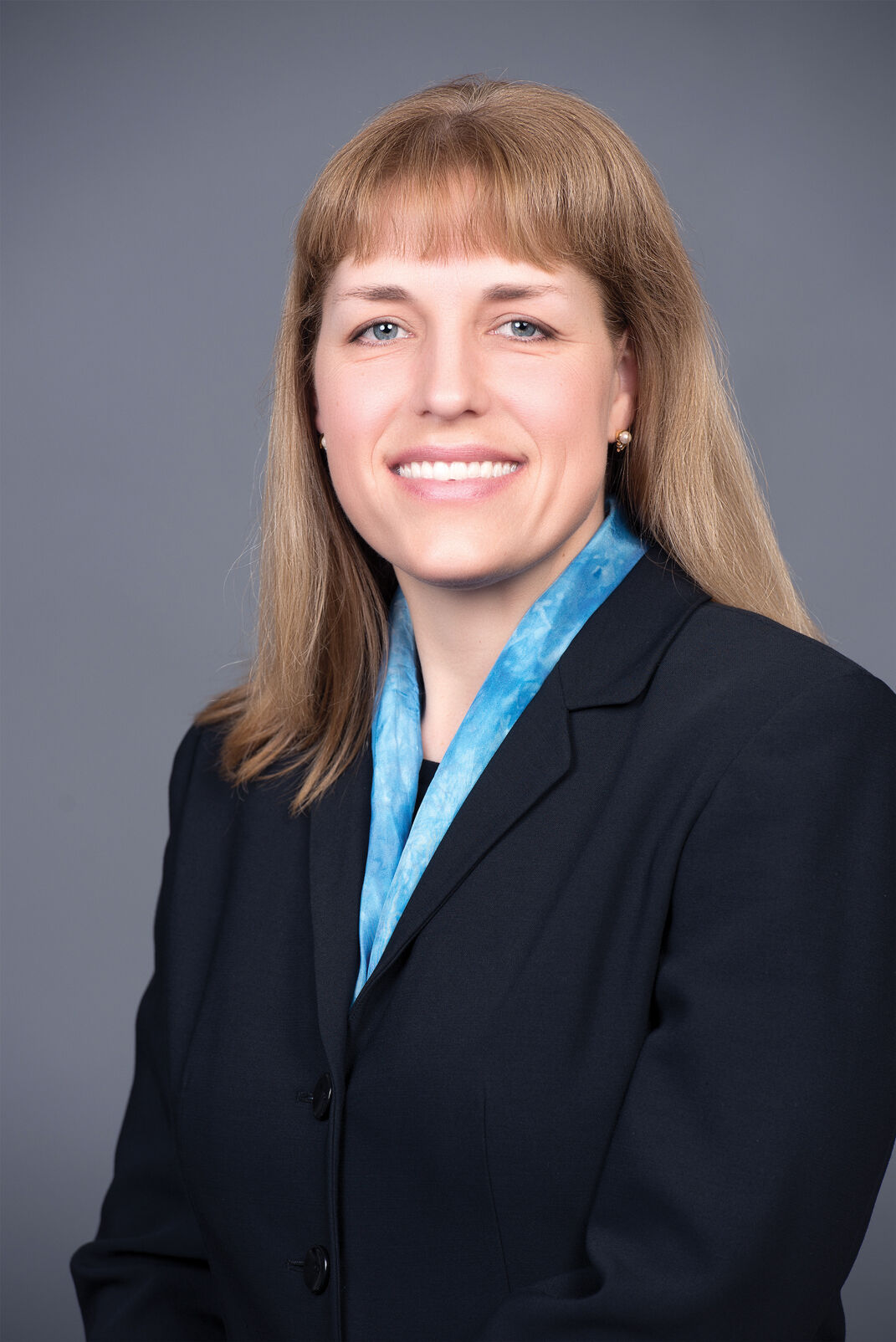
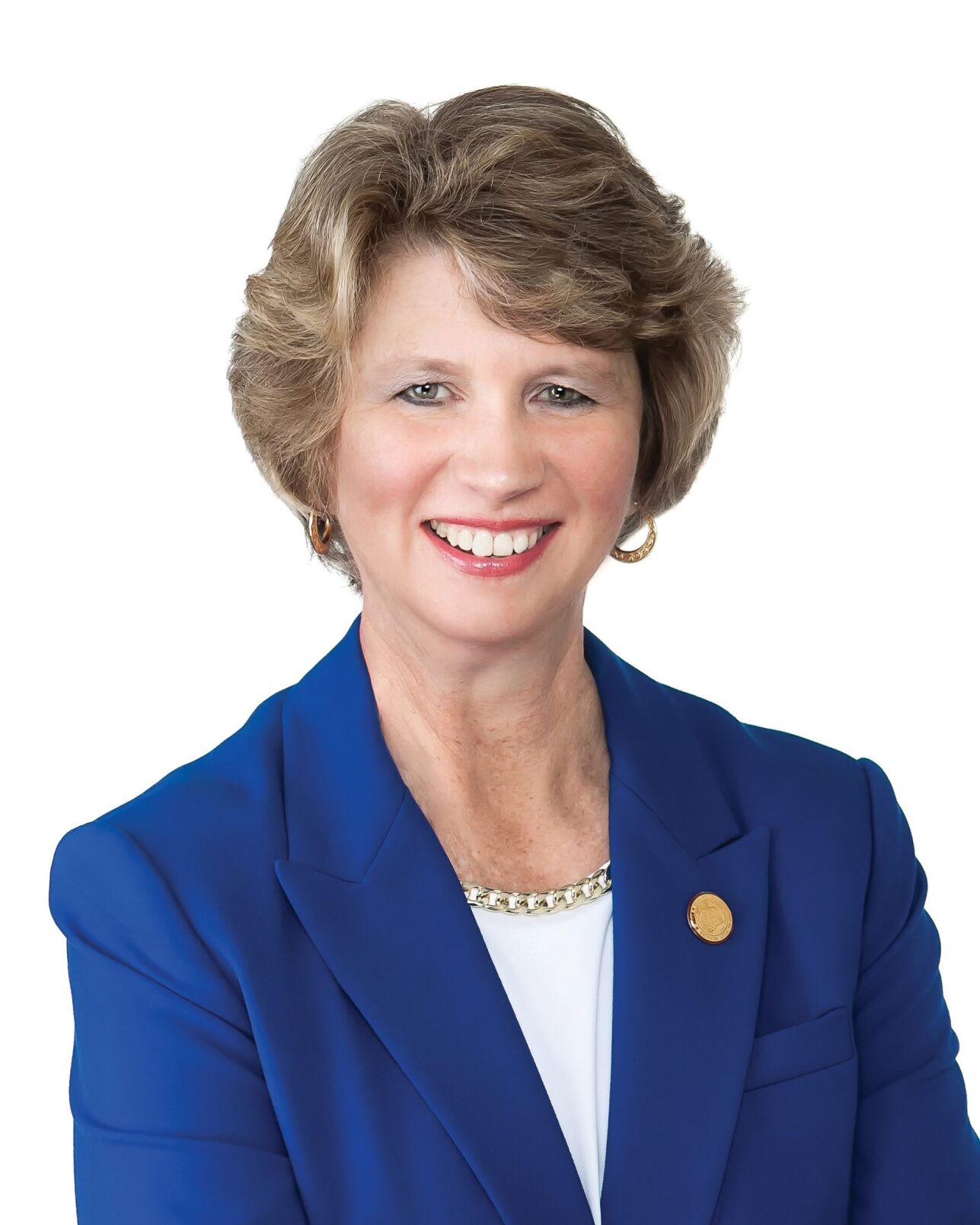
Virginia Manzari,