Five candidates will vie for three seats on the Robbinsville Board of Education. The three winners will each receive three-year terms.
A sixth candidate—Craig Heilman—is running unopposed for an unexpired one-year term.
This election is a bit of an oddity in that four of the five candidates for three-year terms already have board experience. This is especially interesting considering that incumbent Leslie Dee is not seeking reelection.
The candidates are:
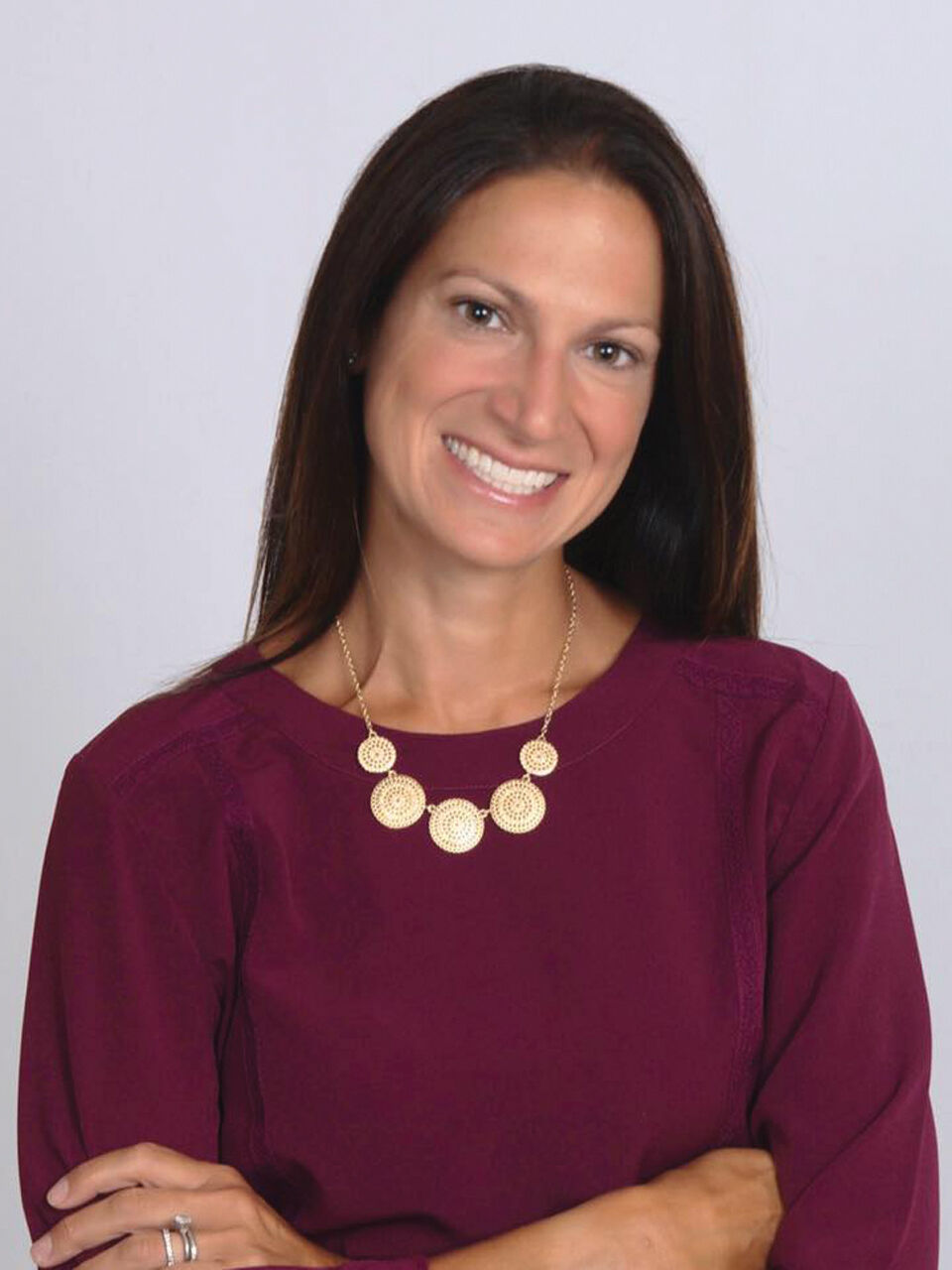
Shaina Ciaccio, 31, served on the Robbinsville Board of Education from 2012 until 2017. She works as the administrator at Lifetree Community Church. Ciaccio holds a bachelor’s in criminology from The College of New Jersey and a master’s in criminology and justice studies from Villanova University. She is preschool lead teacher at Lifetree Community Church of Robbinsville, a member of Robbinsville Municipal Alliance Against Substance Abuse and a Lifetree Community Church missions team member to Mexico and Peru.
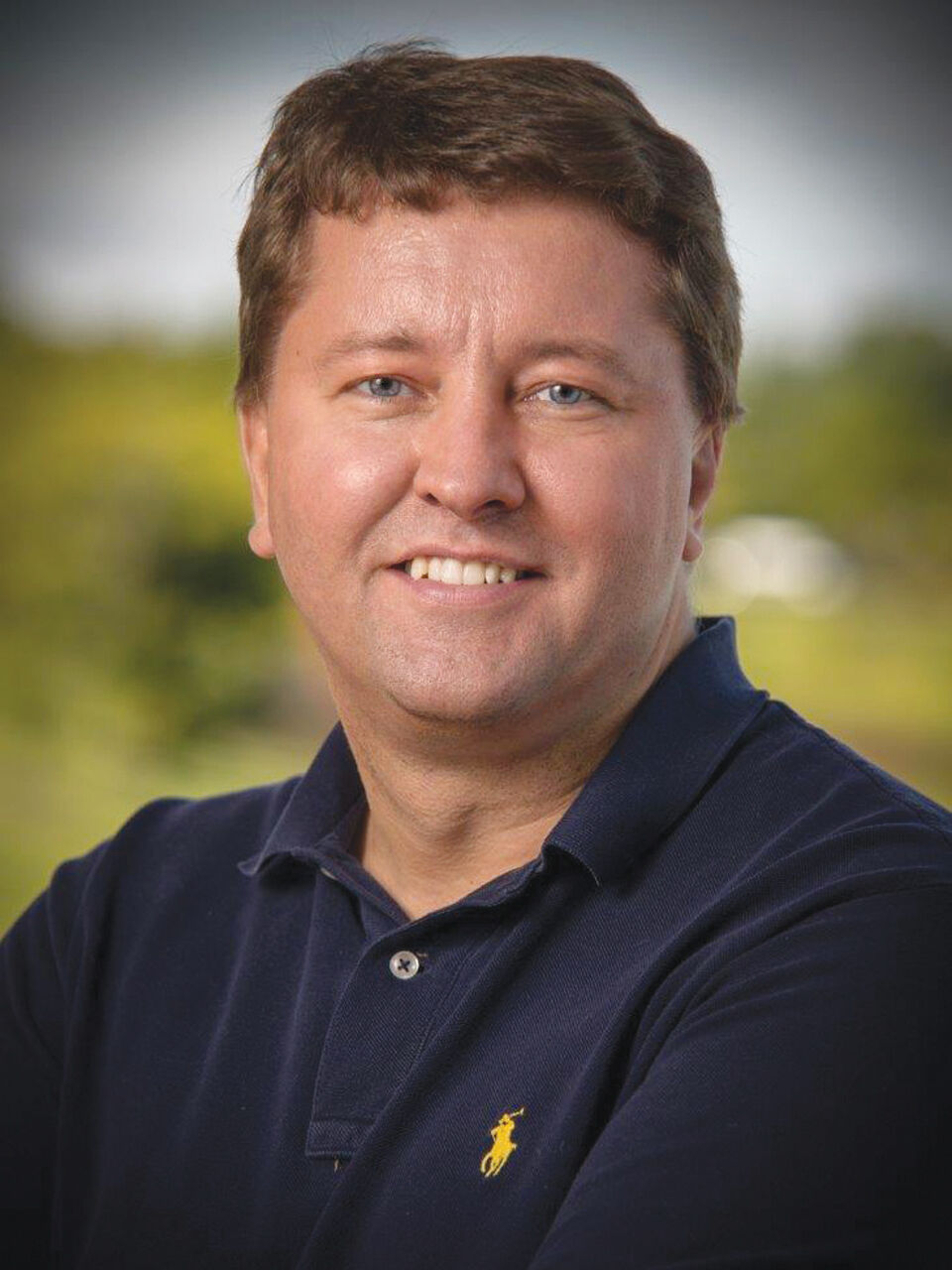
Vincent J. Costanza, 43, served on the Robbinsville Board of Education from 2010 until 2015. He is the chief academic officers for Teaching Strategies. Costanza holds a doctorate in education from Rutgers University, a master’s in elementary/early childhood education from The College of New Jersey, a bachelor’s in philosophy/political science from Rutgers University and an associate’s in liberal arts from Middlesex County College. He was a member of the Robbinsville Education Foundation (January 2017-January 2018), and is a current dance dad at Front and Center Dance Studio.
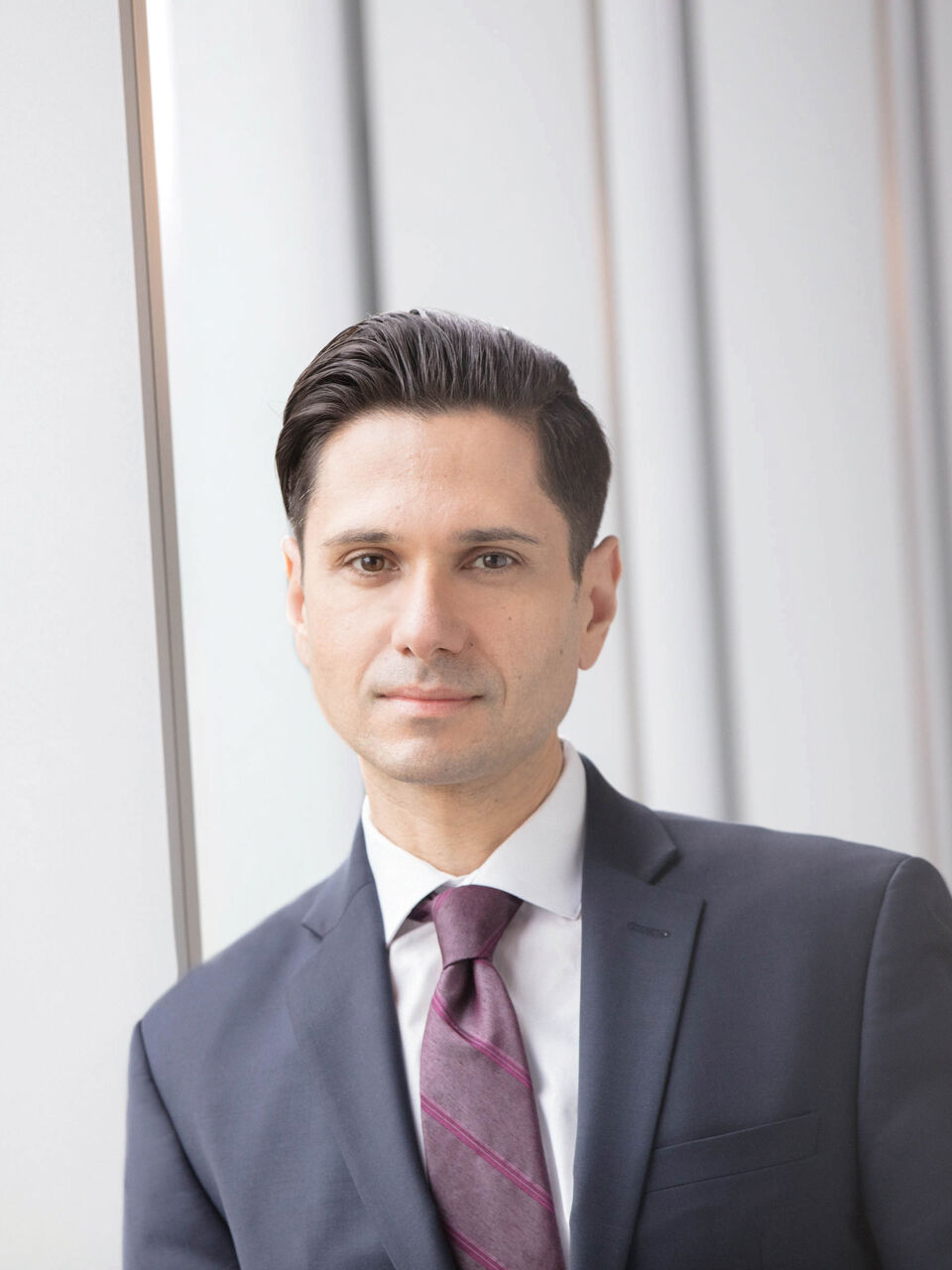
Vito Galluccio, 42, currently serves on the Board of Education. He works as vice president of the asset management division of a global insurance company, and holds a master’s in government administration from Rutgers University. Galluccio previously sat on the township planning board and the Robbinsville Economic Development Advisory Committee.
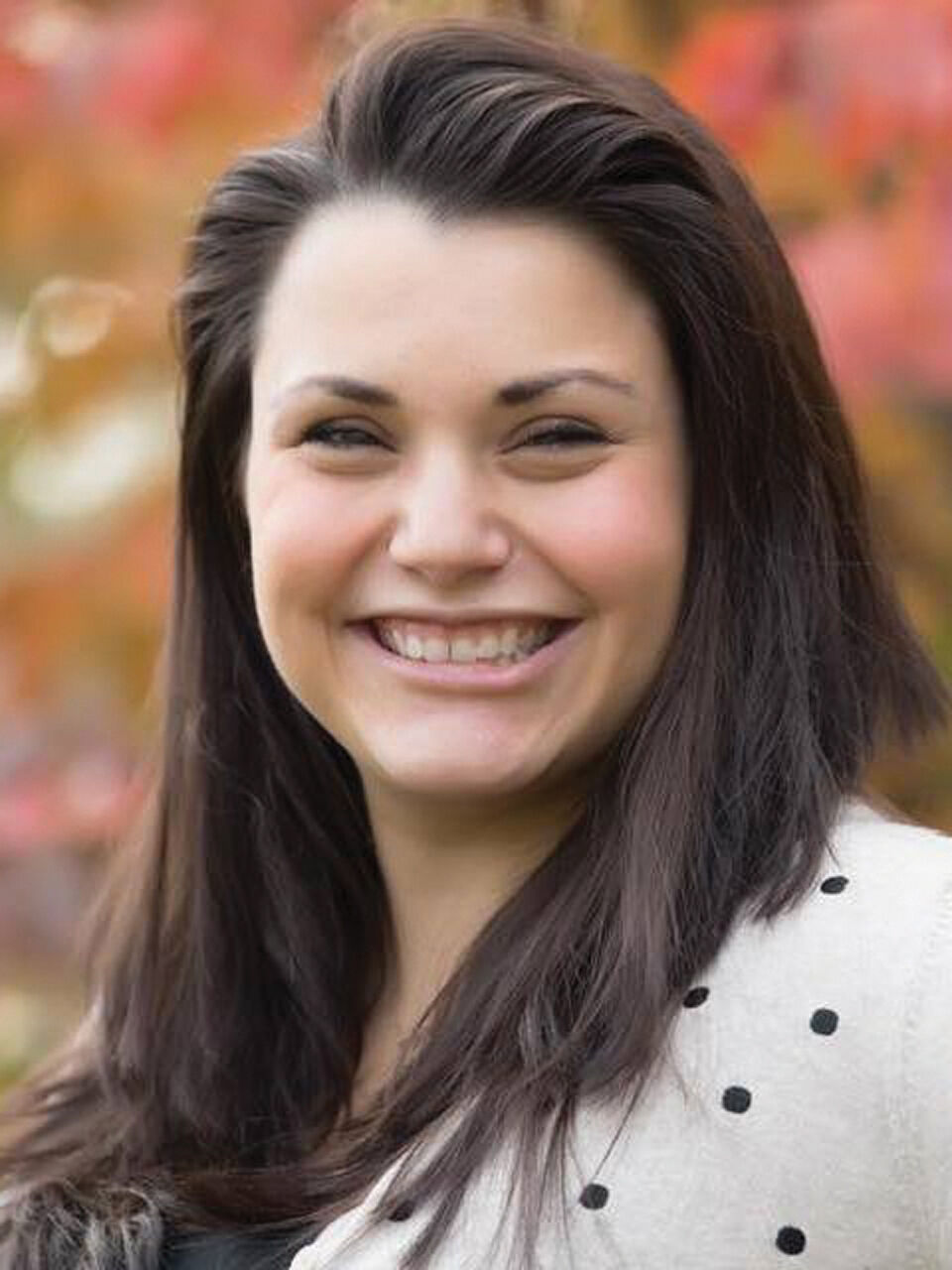
Noushin Kanani Asadpour, 50, has been a mainstay as a resident at Board of Education meetings for years. She works as a laboratory supervisor at Newark Beth Israel Hospital. Kanani Asadpour holds a bachelor’s in medical technology, a master’s in public administration and Green Belt certification at Lean Six Sigma.
Lisa Temple, 39, currently serves on the Robbinsville Board of Education. A former vice president at JPMorgan Asset Management, Temple currently is a stay-at-home mom to her daughter, a 5th grader at Pond Road Middle School, and son, a 3rd grader at Sharon Elementary. She holds a bachelor’s degree in business administration from Villanova University. Temple volunteers with Mercer County Dress for Success as career center counselor, with the Sharon PTA Executive Committee and as a Sharon PTA co-chair for the Scholastic Book Fair and Edu-Kits.
The Advance asked the candidates the same three questions. The questions and the candidates’ responses appear below:
The school district and municipal government worked together to add full-time school resource officers to Sharon Elementary School and Pond Road Middle School for this academic year. Do you support police presence in schools? What would you like to see done to ensure the safety of Robbinsville’s students, teachers and school staff?
Ciaccio: I wholeheartedly support our resource officers. While we moved quickly after the Parkland tragedy to add resource officers, it stems from a better relationship between the school district and the township on security issues. This was not always the case. I believe my education and experience as a caseworker for the state gives me insights into security matters that not all board members have. Our next step is to engage the public as part of our school safety plan, so the community knows if “you see something say something.” I also want to see the results of the most recent security audit done and continue following through on those recommendations.
Costanza: Yes, I support police presence in our schools. During my previous tenure on the Robbinsville board, I was a leader in ensuring the district conducted the first ever school security audit. What became clear from the audit and informed the creation of multifaceted plans (e.g., including adjustments to school facilities and the inclusion of an S.R.O.) was that no single approach will work to keep our children safe. Rather, what is needed is strong adult-child relationships within the schools, responsible fiscal planning that embeds security outcomes into capital improvements, a strong relationship with our local law enforcement professionals, and a supportive community.
Galluccio: I’m concerned about the safety of our students. If our schools aren’t safe, we fail. That is why I worked hard this year to provide a police officer in each school for the first time ever. I will continue to pursue additional security measures in a balanced way. It also makes sense to bolster the vestibules at the entrances of our buildings and add a guidance counselor to help aid in the identification and addressing of the mental health aspect of our students in a pro-active way. In order to continue to invest in these security initiatives it is imperative that we balance our budget, re-prioritize our spending and implement fiscal accountability.
Kanani Asadpour: Yes, I support the police officers present inside our schools. The safety of our students, teachers and administrators depends on it. Even though it is obvious that the presence of one police officer in schools are not a promise of absolute security, it is a peace of mind knowing someone with experience is protecting our loved ones.
Temple: I absolutely support the addition of SROs in each school. This was a first step towards filling gaps in our security infrastructure. Our next step must be a comprehensive security audit to identify true physical and procedural vulnerabilities. The board can then direct administration how to use resources efficiently.
Security includes mental health. More eyes on students, including teachers and guidance counselors, means we are more likely to identify students needing help. All staff should receive basic training to help recognize a student in crisis and when to refer them to a skilled professional. Building a culture of inclusion is needed so that all students feel they have a place.
A board meeting this past summer to discuss the allocation of additional state aid for the district caused a substantial debate. What is your opinion of the current board’s decision? If a similar scenario occurs during your term, how would you like to see additional aid allocated?
Ciaccio: I attended that meeting and supported the superintendent’s original proposal of giving $860,000 back to the taxpayers. Because board members had different opinions, which ranged from giving back $1.2 million to $613,000, I would have recommended a compromise of $736,000. You may be able to tell that I helped negotiate two contracts. In the future, if we are fortunate enough to receive more state aid, I believe a larger share should be returned to the taxpayers.
Costanza: While I agree with where the board landed by keeping taxes flat, a loud minority, including candidates seeking reelection, have referred to the aid as a “windfall.” This is misleading and simply wrong since receiving 56 percent of the dollars our district is owed is far from a windfall. As a candidate for the position of “school board member,” I will be required to make decisions in terms of the educational welfare of children, per the Code of Ethics. As we receive additional state aid, I will work to keep taxes as low as possible, while maintaining and growing a high-quality educational program that prioritizes our youngest citizens.
Galluccio: Robbinsville deserves tax relief. Due to years of underfunding by the state, our school taxes are too high. They’re higher than Princeton, West Windsor-Plainsboro and Hopewell. These unsustainably high taxes are making residents and businesses leave and are reducing home values. That is why I recommended the most amount of property tax relief compared to almost every other board member this year and will continue to advocate for tax relief in the years ahead. The remaining new state aid should be invested into the schools. We need to reinstate some of the programs cut during previous years but we must spend smarter and allocate more resources into the classroom.
Kanani Asadpour: This question has been on all residents’ minds. We pay very high taxes and deserve a break in our taxes but at what cost? I would really question the school board and administrators to tell us exactly how much money we are having in our hand and dealing with. After the meeting, we found out the schools had surplus from previous year. This was not shared in plain English with the residents. As much as I want many things change in our schools and we have lots of room to spend money, our residents deserve a tax break when there is a surplus present. Transparency is an absolute key, and that’s a culture that must change in our BOE.
Temple: The board voted for no tax increase for the first time in over a decade. During the July meeting, I listened to statements from the community and balanced those concerns against my desire to provide some type of tax relief. I agreed that after years of significant underfunding, our district required more to address a long list of needs. This vote allowed our district to invest in our students by adding teachers, guidance counselors and full time instructional aides, purchasing security items and completing long overdue maintenance repairs. As funding continues to increase, there is real potential to address long standing district needs while offering a reduced tax levy.
Robbinsville is a growing and diverse district. Why are you the best candidate to serve the district’s stakeholders on the Robbinsville Board of Education?
Ciaccio: I’m a mom of a toddler and a baby. I believe the qualities of a being a good board member go beyond what’s on a resume. I am connected to our community. I have friends with different backgrounds and beliefs, and I seek out opinions. I don’t wait to hear who complains the loudest, because the people who have the most to say aren’t always comfortable stepping forward. A good board member takes heart, genuine love for the kids, and willingness to work hard and be a team player. As board members, we make the best decisions based on the information we have. I hear from everyone before I decide.
Costanza: My professional experience affords me the opportunity to work with diverse people and communities throughout the country. One experience that qualifies me for this position is my time spent as Chair of the Nominating Committee for the Board of the National Association for the Education of Young Children (NAEYC). During my tenure, I was charged with ensuring that the board was comprised of members who reflected the ideas and values of the membership. Diversity in is not merely a feature of skin-tone or origin. I have the experiences to assist the Robbinsville board in taking a listening stance to incorporate the sentiments of this diverse community into decision making.
Galluccio: I’m the best candidate because I have spent the last 18 years working with public schools across the nation, helping them to fulfill their missions, and holding them accountable for their budgetary choices, operational decisions and academic outcomes. I have made several positive accomplishment during my first year on the board this year. I held school taxes flat for the first time in 15 years, increased spending per pupil in the classroom, delivered on promised raises for teachers and put a police officer in each school. We’re moving in the right direction. I have two daughters in our district and am vested to secure the future for our students and taxpayers.
Kanani Asadpour: The best answer that I can give is that as a foreigner who is a citizen and a parent and a resident who constantly brings this point out to the board and ask for a more diverse group, I can bring a different culture to our BOE. For 16 years, we shared our community with many different cultures, but on our board there is no diversity. The difference of cultures is a positive addition to our community that can give us the edge we need to be pioneers in our surrounding. Being that voice and having a different background and culture gives me that opportunity to bring what our board has been missing for years. All children matter, and their culture is part of what they are all about, so we all matter and we all make our children’s education a better experience for all of us.
Temple: Robbinsville is a wonderful, thriving community, and I love living here! Board members should listen to every unique perspective and use those to build an education system that propels graduates to the next level. Growing up in a small rural community, I saw how the value of an exceptional public school benefitted everyone. Spending 12 years at JPMorgan gives me the business management mindset to oversee how a school is run. Being a mom to school aged children allows me to relate to concerns of parents. Most importantly, I am open minded. My focus is to keep our schools moving forward and ensure all students receive the education they deserve.
* * * * *
Heilman, 49, is running unopposed for an unexpired one-year term on the Board of Education. He currently sits on the board, having first gained election in 2015. Heilman works as a controller, and holds a MBA from Rider University and a bachelor’s from the University of Pittsburgh.
The Advance asked Heilman to write a statement explaining why he chose to run for reelection to the Robbinsville Board of Education. It follows below:
“In my life, my top priorities are faith, family and community. I have carried these principles on to the school board. When I ran three years ago, I ran on fiscal responsibility, and I have kept that promise using my experience as a controller to keep taxes from being raised to the max every year and monitoring expenses. I have also worked hard to reach out to the community with things like parent meetings about important topics like college readiness and busing. I also worked hard to bring education to the students and community about illegal drugs and opioid addiction.
With the extra state aid, we need find the balance between tax reduction and improving our schools. The biggest portion of school revenues comes from taxes that are based on our property values. If we do not show the taxpayers that we hear them when they say we are overtaxed, then people will not stay here. This will lead to reduced property values, and thus reduced revenues, and we will be in the same situation we were at in 2008 when the state cut our funding. Through tax relief, we can restore the public’s faith in our school board and maintain the property values we have today.
We also need to put a spotlight on ethics on our school board and the schools. Doing the right thing doesn’t always bring success. But compromising ethics almost always leads to failure. I have always been committed to doing the right thing for everyone.e Hamilton Township Board of Education does have a very diverse population, and all students are all given the same opportunity. The district and board does not discriminate against any student, the same curriculum is applied to all students as per NJDOE guidelines.”
Galluccio,
Heilman,