The latest food fad, following in the footsteps of low-fat, low-carb, and gluten-free, is high-protein. It’s understandable, I guess, because once you’ve established as a society (correctly or incorrectly) that it’s desirable to eat lower amounts of carbohydrates and fats, the intake of the only remaining option from the three categories of macronutrients—protein—must go up. It’s simple math, really, along with some simple human psychology.
It’s not like we’re going to just eat less overall and be happy about it. Instead, our friendly food manufacturers are happy to accommodate our demands as we look to buy (and eat) our way to better health.
Sometimes this can be accomplished by substituting higher protein foods for their similar, but protein-poor, counterparts. For example, our household consumes several large containers of yogurt every month, but I haven’t bought “regular” yogurt in years.
Ever since our kids became more health-conscious, the idea of eating non-Greek yogurt is anathema, because while Greek yogurt is slightly more expensive, it’s also higher in protein. If the yogurt ain’t Greek, it ain’t the one we seek.
The substitution phenomenon allows us to eat the same foods we ate before, only better. Food companies are stuffing protein into cereal, energy drinks, and candy. There’s now somethng called high-protein water, and even protein chips.
(Since they’re never referred to as “high-protein potato chips,” I was curious to learn what these snacks were actually made of. After some individual research, and questions posed to several AI services, the best I could come up with was “protein blend,” which is getting awfully close, euphemistically speaking, to “mystery meat.”)
We’re not just stuffing protein into our old favorites, we’re discovering new sources from around the globe. Spirulina, a high-protein algae, is bought and consumed in tablets, capsules, and as a powder—even if the name “Spirulina” sounds like a disease-causing microorganism, or, alternately, the heroine of a high-protein fairy tale, along with her slightly lower protein-content cousin, Chlorella.
Cricket flour, whole insects, barnacles … if it’s got protein, we want it, no matter how unusual. In addition to straight substitution, many people use protein supplements, mostly in the form of powders that are then mixed into water, milk, or smoothies.
Powders come as “concentrates,” “isolates,” and “hydrolysates,” in lowest-to-highest order of expense. Offerings include soy protein, egg white protein, pea protein, hemp protein, casein protein, and whey protein. Casein and whey are proteins found in milk, and whey is probably the most popular protein powder around, because of its nutritional profile and its comparatively low price. If she were transplanted to 2025 America, Little Miss Muffet, no longer satisifed with being “little,” might finally get off her tuffet and pump some iron, spurning the curds and favoring the whey after her workouts.
I’m convinced that part of the reason we’re protein-obsessed is the word “protein” itself. It derives from a Greek word meaning “of the first rank” or “primary,” but more obvious is the positive connotation of the “pro” prefix. “Pro” is short for professional, and professional athletes are at the top of the modern-day hero hierarchy. There’s also the implication of “pro” as opposed to “con,” something seen as an advantage instead of a disadvantage. These points might not register consciously or have a major impact on our protein consumption, but I have to wonder: would anyone want to eat contein?
We think so highly of the word “protein” and what it represents—health, well-being, fitness, strength—that at many casual restaurants we ask for it, or are asked to ask for it, by name. They’d never say “Choose your carb,” or even worse, the surefire guilt-inducer “Choose your fat,” but the phrase “Pick your protein” is now common to menus everywhere.
The similarity to another phrase, “Pick your poison,” is not just apparent, but potentially meaningful. One gram of protein per pound of body weight per day is the maximum amount recommended for building muscle through high-intensity strength or endurance workouts. The side effects of too much protein can be serious, and not as much fun as, say, turning into the Incredible Hulk. Kidney and stomach problems may result; apparently, muscles aren’t the only part of the body that can get “swole” with a high-protein diet.
I’m pro-protein, but I’m also pro-teen, and there’s been an increase in muscle dysmorphia in the last decade, particularly among teens and young men. Muscle dysmorphia involves an unhealthy obsession with a muscular appearance—it was originally called “reverse anorexia.” Young men stand in line for hours to meet YouTube influencers and buy the nutitional supplements they promote; it’s a safe bet the hypermasculine “bro” culture and its emphasis on getting bigger and stronger, without any sense of overall fitness or a larger athletic purpose, has contributed to the rise in body image disorders.
A few healthy food fads have included at least some inherent benefits, like reductions in saturated fats and trans fats. The protein push might allow people to add more muscle, but it’s not an instant fix. You still have to go to the gym and exercise, or you’re just throwing money at a fantasy.
For all the talk about extra protein and peak performance, most of us don’t need more protein to perform our daily tasks. The preponderance of protein is mainly driven by a desire to look and feel better about yourself, even if it doesn’t actually improve your vital stats at all.
With protein, as with many things, moderation is the key. Unfortunately, details and nuance are lost as moderate voices are drowned out by histrionic ones. There are hundreds of YouTube influencers giving all kinds of conflicting and often unqualified diet advice, many of them driven by a desire to sell supplements, or at least say things that are outrageous enough to cut through the swath of competitors and find an audience.
So don’t feel bad about saying “pass the protein,” at the dinner table, even if I think that phrase sounds clunky, unappetizing, and a bit robotic. But also don’t feel bad if you’re presented with an opportunity for extra protein, and you decide to say, “I’ll pass.”
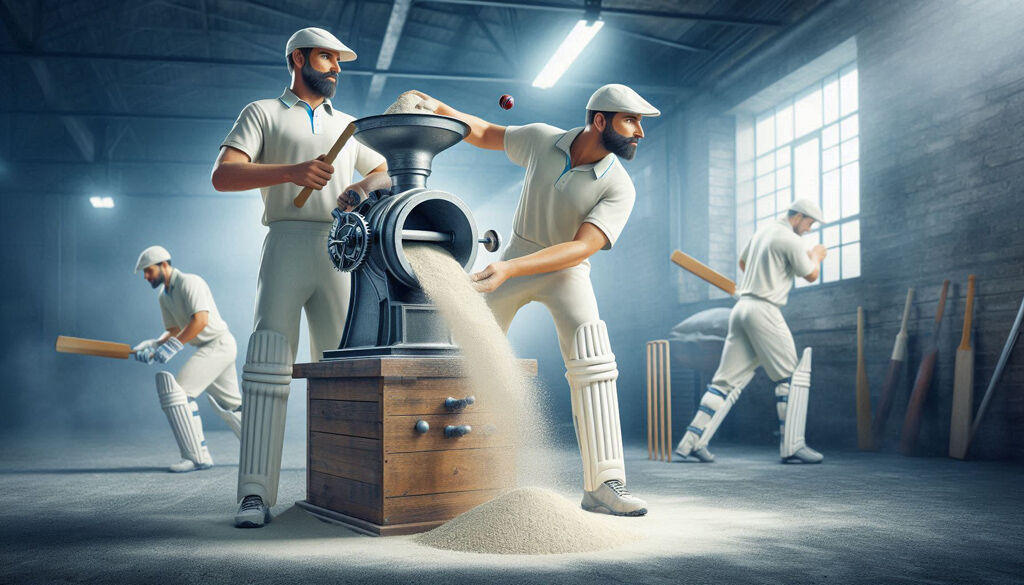
(Image created with AI.),

