The Ewing Observer recently sat down with Mayor Bert Steinmann to talk about issues currently facing the township.
In past articles, editor Bill Sanservino and the mayor discussed the municipal budget, the progress on the reconstruction of the Ewing Senior and Community Center and the appointment of Aaron Watson as the new business administrator.
This month’s article features Steinmann’s thoughts about the state of legal cannabis in the township and also about working with other municipalities to help reduce expenses and generate revenues. An edited version of the interview appears below.
* * *
Ewing Observer: I guess one area where the town can see a decent amount of revenue, and it’s a pretty big change over what was in the past, is cannabis. Can you talk a little bit about how much revenue the township can realize? What is the situation with facilities coming online?
Bert Steinmann: Currently we have one dispensary that’s open. We are looking to open two more, probably within the next two months. There’s one on Spruce Street and one on North Olden Avenue across from Capitol Plaza. They’re ready to open.
As far as revenue is concerned, it’s been slow. It’s starting to come in now. I think we realized almost $200,000 over the last year or so. I mean, when this all went down I envisioned millions of dollars rolling in. Well, I still have that vision. It still will happen because of the manufacturing that’s going on. But it’s been slow.
And I think the process of rolling out the cannabis business out was flawed because they (the state regulators) were making changes as people were coming online. And individuals that hopped on these licenses, or tried to get them, thought that they had found a goldmine.
They didn’t realize how much money investment that they would have to put into it to start realizing some money. And that it could be years before they actually make a profit from what they put in. I think people are starting to get a reality check on that. It’s not as lucrative as it sounds.
We have a manufacturer and a grow facility on Prospect Street that is about 90% operational. It’ll almost be 100% probably within the next month. We’ll realize revenue from that because Ewing Township gets 2% of what they sell from the grow to the manufacturer. Then we get 2% from what the manufacturer sells to the retailer. And then after that, the town gets 2% from what the distributor sells. We’re going to realize some significant money from this, but it takes time. We’re getting there.
EO: I guess manufacturing and the grow is where the where the money really could be at in terms of the town seeing revenues?
BS: Yes, exactly. It’s not so much about selling it at the distributor. Although our growers and distributors can only sell in the state, they can sell to the whole state. So, it’s not just limited to Ewing Township. I think sooner or later they’ll probably be allowed to sell out of state also. But because of the federal government being involved with this (cannabis is still illegal under federal law), they’re still not legal. I don’t think that interstate transactions can happen. But it will get there.
But like I said, right now we’ve got one manufacturer that is operational at about 90%. We’ve got one that is just starting to do it, and then we have two more on Phillips Boulevard that are under construction now. It’ll be a total of about five manufacturers and growers in Ewing Township.
And although we have no limit on the number that can be here, it’s because of where we locate them (in certain industrial and commercial zones). They’re kind of limited by that. We’re not going to get 100 growers or manufacturers. We’ll get a good number, but not what people think. As for the distributors, currently, our ordinance allows for five, and we’re going to have three online and two more to come.
EO: You mentioned where they’re located. They can’t be located near residential, or too close to schools, etc.?
BS: Yes, and it is a limiting factor. Again, we’re moving slowly, but we are moving, and we are moving in the right direction. This is a whole new environment for everybody. It’s a new environment for my construction department. They’re running across things that they’ve never seen before. So, it’s a lot of bookwork to make sure we get it right at the end of the day.
EO: I understand you also have a review committee that you appointed?
BS: Every application that comes in goes through this committee. They vet the project, and they talk to the individuals that are responsible for the facility and their financial situations and everything like that.
We have a cross-section of members that are on there. We have businesspeople, we have clergy, we’ve got the chief of police, and we’ve got our attorney on there. There are people from the Board of Health and the alcohol alliance group for addiction. So, we’re pretty well covered.
EO: What about Chuck Latini, who oversees planning and zoning?
BS: Yes, he’s on it as well. I also sit on it and one member from the township council.
Everybody knows upfront what’s going on and how it is, but we still aren’t the final say, obviously. We make a recommendation and then it goes to the Council and the state. If the Council and the Cannabis Review Commission approve it, then they’re good to go.
* * *
EO: Many communities can minimize their costs through interlocal service agreements where they can contract with another community for a service rather than each individual town going out for it on its own. Is Ewing doing anything on that front?
BS: We do work with the city of Trenton, Hamilton, and Lawrence to some extent. We also have shared service-type agreements with the county. We don’t have a hazmat team in Ewing Township, but the city of Trenton does, as well as Hamilton. So, if we have a situation, we call on them and they come in. But then in turn, we have our mutual aid program. If they need something, we will send a truck out there to help.
Trenton ran into a situation with their building inspectors and some of them retired. There was a lack of building inspectors, and they needed to get a couple of buildings online. The mayor of the city asked me to help him out and we did. We worked with the construction department. They went and did inspections for the city and got those groups going so they could move into their homes or their offices. We also have a very good working relationship with both Mayor Reed Gusciora in Hamilton and Mayor Jeff Martin in Hamilton.
EO: And in turn, if you have a service that another community needs, you could get a payment for that?
BS: Usually a direct payment, but it’s in lieu of something. Absolutely it benefits us. There’s no question about it. And that’s the name of the game.
You’ve got to help where you can help. I mean the thing about it is, we just sat down with our public works department director and basically looked at a list of things that we should be doing or could be doing that we could also share with other towns.
So again, that’s an ongoing conversation. I meet with my department heads once a month with the business administrator. We go through what their wants are, and we go through what they’re really thinking.
There are no holds barred. They talk about how they think and feel, and then we’ll give our opinion. I think the directors feel like they’ve got a place to come to and vet. And that’s what this is all about.
We used to meet as a group and that didn’t work out too well because it was always a kumbaya moment. Nobody wanted to talk about the negative stuff because everybody wanted to have that feeling that their department was the best and the whole nine yards. And there’s nothing wrong until you find out when you’re meeting one on one that, well, not everything is peachy and rosy. So that has worked out. I’m really satisfied with that.
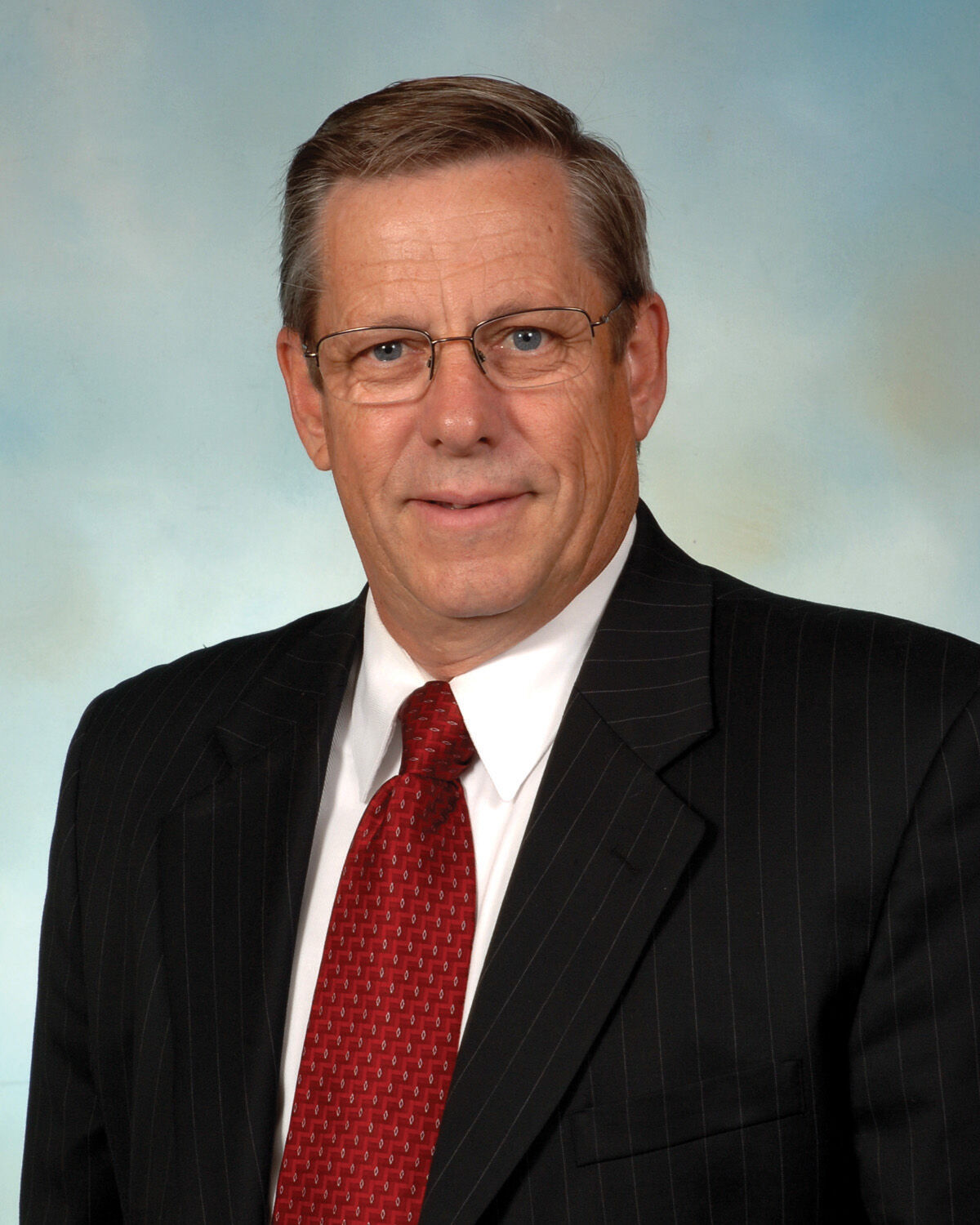
Ewing Mayor Bert Steinmann,

