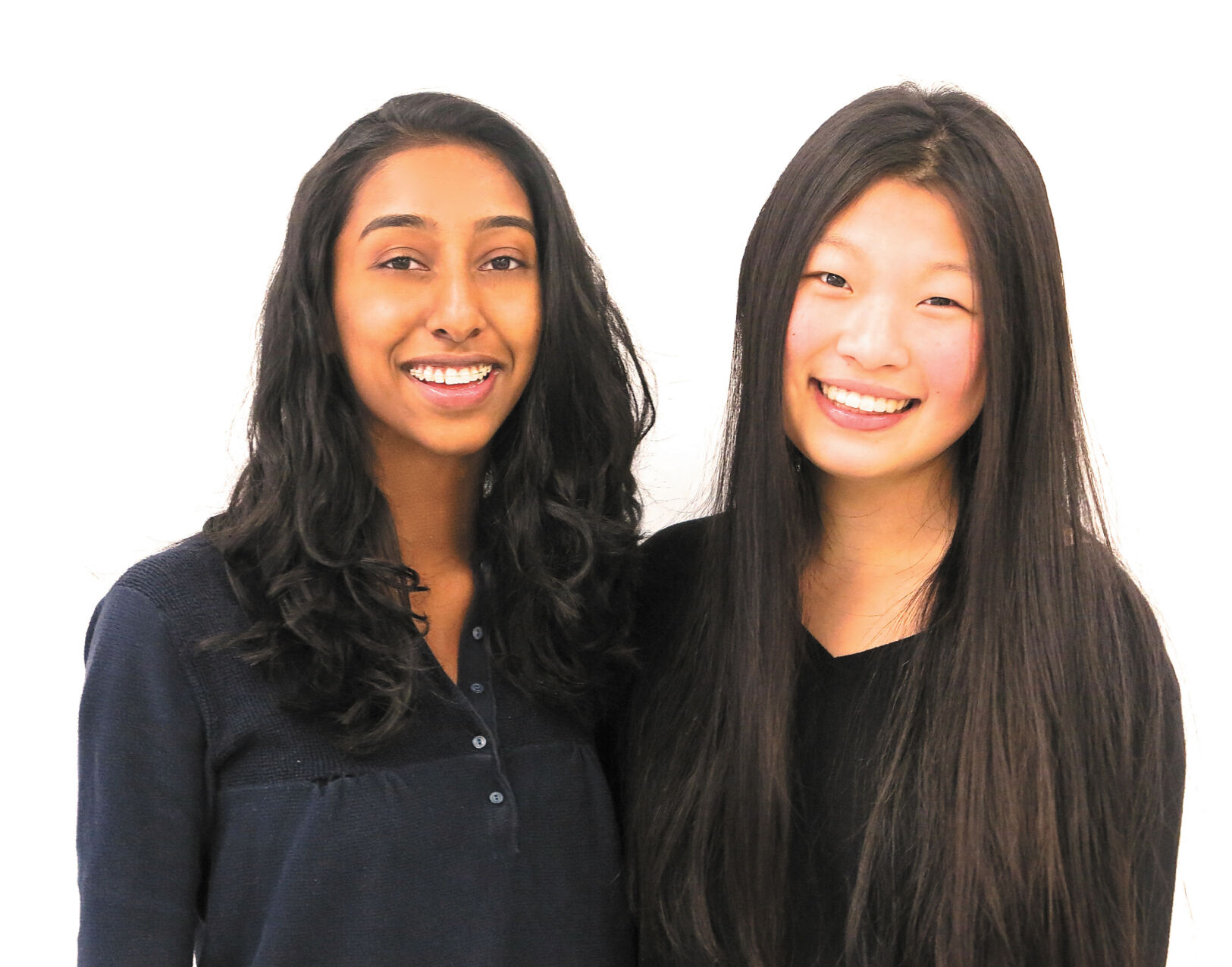
Priya Vulchi has been turning heads — and transforming attitudes — since 2014. It was then that she and her Princeton High School classmate Winona Guo had an “aha” moment about racial literacy, leading them to create the nonprofit CHOOSE and publish classroom handbooks for various age groups featuring interviews with Princeton residents discussing their experience with race.
They were sophomores at the time. They published three editions of the book while still in high school, then took a gap year before starting college to travel to all 50 states and interview people about race and intersectionality. The journey led the pair to another book, “Tell Me Who You Are,” published in 2019.
Guo moved on to study at Harvard, while Vulchi went to Princeton, graduating in 2022 with a degree in African American studies and cognitive science.
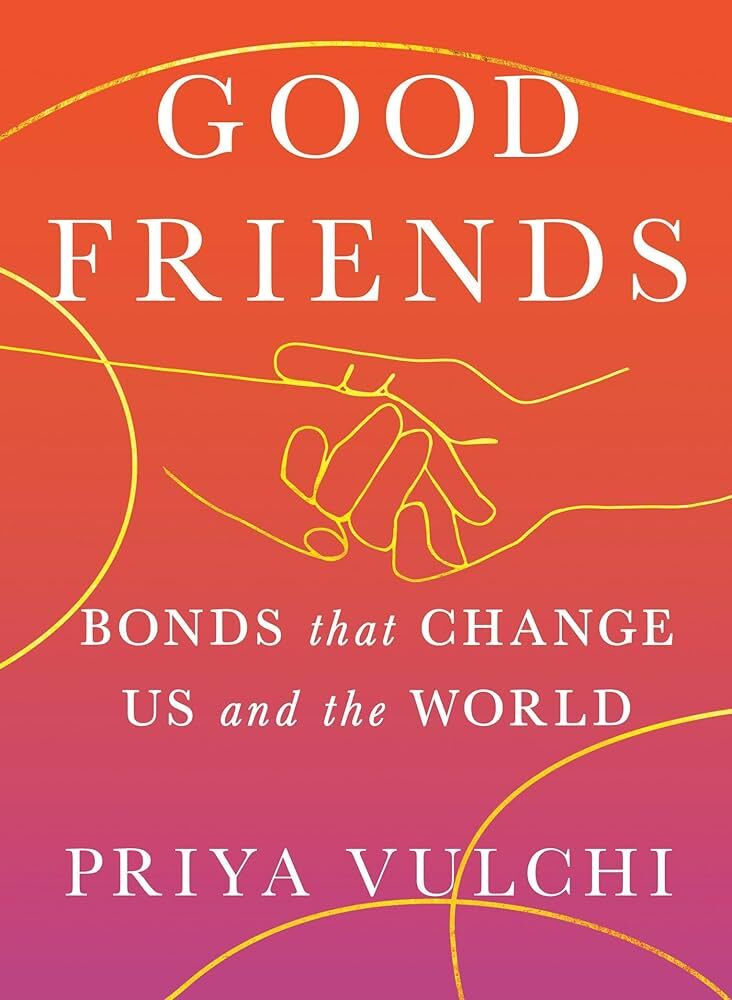
Vulchi is now a graduate student in African and American studies at Harvard — and the author of another book, “Good Friends: Bonds That Change Us and the World,” released on April 8. She returns to her hometown to discuss her new book at Princeton Public Library on Monday, April 14, at 7 p.m.
In conversation with Vulchi will be Princeton University professor of African American studies Ruha Benjamin, whose connection with Vulchi goes back to the early days of CHOOSE, for which Benjamin wrote a foreword.
“Good Friends” delves into the importance of friendships not just for individuals but for all of humanity. Vulchi “weaves through Western classical thinkers like Plato, Aristotle, and Cicero, and uncovers the private moments between good friends like James Baldwin, Dr. Martin Luther King, Jr., Yuri Kochiyama, Toni Morrison, and June Jordan. Friendship, she shows, has ripple effects beyond just any two friends; it awakens solidarity and changes in the world,” says a statement from the book’s publisher, Legacy Lit, an imprint of Hachette Book Group focused on works celebrating social justice.
In the introduction to the book, Vulchi lays the framework for “Good Friends” through the lens of her friendship with Winona Guo, her high school classmate and co-collaborator on CHOOSE.
“You may feel magnetically pulled to your romantic partner, sinking into her oozing warmth. You may feel anchored by your mother, knowing her mind never strays from your well-being. You may feel an unmatched thrill with your siblings, a banter that never slows in roasts,” Vulchi writes. “And in this seemingly natural pecking order of things, friends are lackluster: you get busy. You acquired more relationships and obligations with age, so each friend receives less of your time. Friendships become long-distance because of jobs, and visiting is expensive. Plus, along life’s journey somehow we get convinced that of all relationships — family, romantic relationships, and professional, to name a few — friendship is the least consequential. Friends are for partying, Sunday brunch, or watching Netflix. They are peripheral, not central bonds. Nobody expects much from friends, so why try to be a good one?”
But she holds up her relationship with Guo as evidence that a more prominent and sustainable model of friendship is possible — and desirable:
“After Eric Garner’s murder in 2014, I had advocated for racial literacy with Winona for a decade, fundraising and traveling to all fifty US states to interview strangers about race together, helping racial literacy become a district graduation requirement, running a nonprofit, and authoring racial literacy books with her, too. I could lean against our friendship, trust in its sturdiness, rest in its shade, so I knew friendship was real, even if society directs us away from it.”
“We need a new vocabulary for talking about friendship, and we crave a new template for friendship itself,” Vulchi continues. “When friendships are neglected, all the possibilities of friendship — the political possibilities, the possibilities for love, joy, and community — disappear as well.”
She concludes her introduction with an explanation of her goals for readers and what they will take away from “Good Friends”:
“My hope is that friendship does not just sit more prominently in your head, but that it springs into movement, changing the vibrance and depth of your relationships, improving your ability to connect with your community and even the world. You will learn about how people stay in touch with friends, love friends rigorously, bask in friendship’s joyousness, navigate difficult conversations, advocate for one another, and how to cope with friendship heartbreak and betrayal. You will see that, boiled down to its core, friendship is the study of what it means to be human.”
Author Talk: Priya Vulchi and Ruha Benjamin, Princeton Public Library, 65 Witherspoon Street, Princeton. Monday, April 14, 7 to 8 p.m. Free; registration required. www.princetonlibrary.org.
Good Friends: Bonds That Change Us and the World is available on Amazon.com. $29.