In the aftermath of key American victories in the Revolutionary War — among them the battles of Princeton and Trenton — the British attempted to turn their fortunes by taking control of the Hudson River in New York state.
Three British generals participated in a plan to overwhelm Continental forces garrisoned at Fort Stanwix in present day Rome, New York, but their siege proved unsuccessful, and the American forces were further propelled along their road to victory.
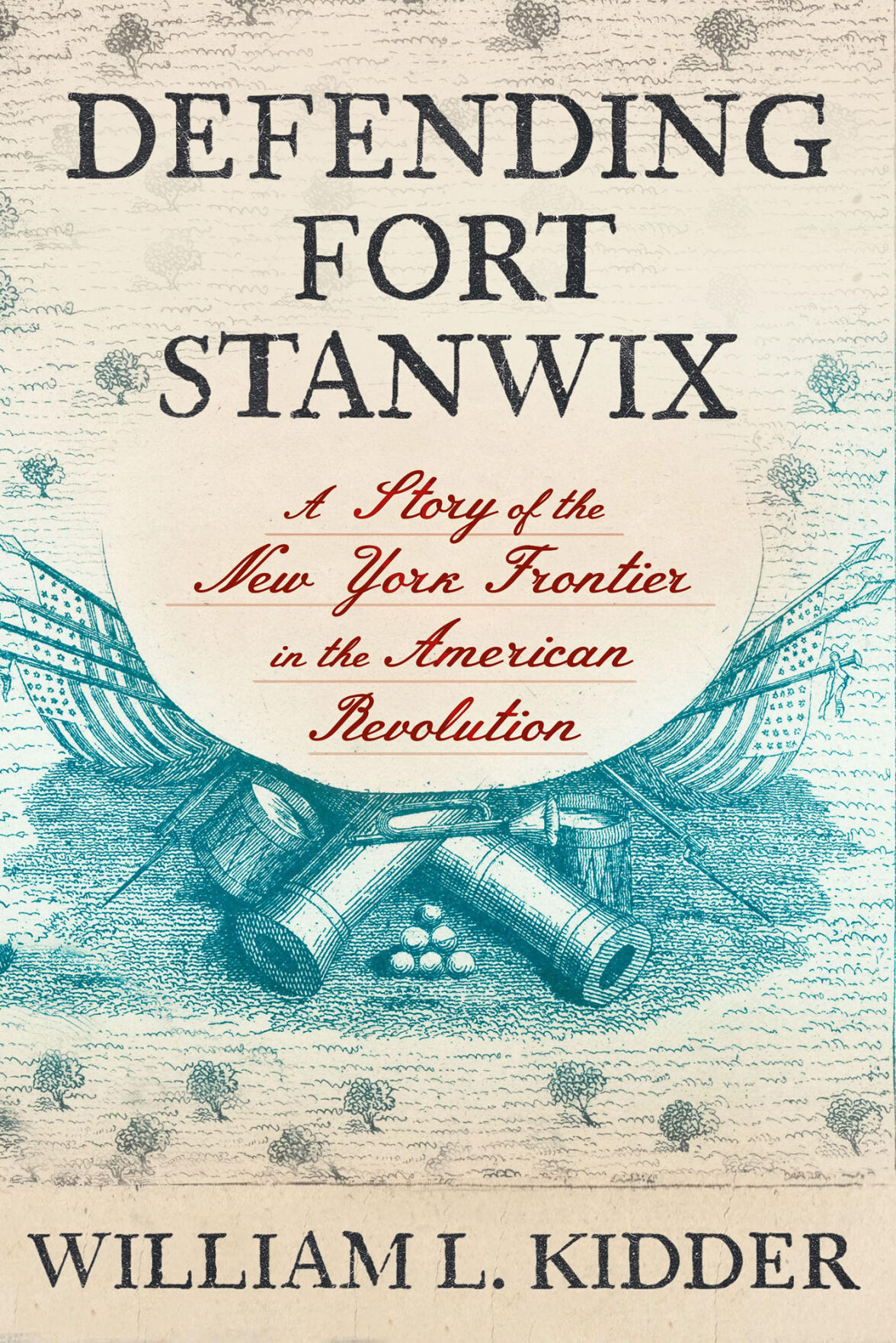
The defense of that fort is the subject of the latest book by historian William (Larry) Kidder, who gives a free talk on the subject at the William Trent House in Trenton on Saturday, January 11, at 2 p.m. The program will also be available via Zoom at tinyurl.com/FortStanwix.
The book, “Defending Fort Stanwix: A Story of the New York Frontier in the American Revolution,” describes life in Fort Stanwix before, during, and after the siege, highlighting the crucial role cooperation among soldiers and civilians, colonists, and Native peoples played in this important victory.
Kidder, who received bachelor’s and master’s degrees from Allegheny College before working for 40 years as a high school history teacher, has written numerous books and articles on the Revolutionary War, particularly in New Jersey. They include “A People Harassed and Exhausted: The Story of a New Jersey Militia Regiment in the American Revolution”; “Crossroads of the Revolution: Trenton, 1774-1783”; “Ten Crucial Days: Washington’s Vision for Victory Unfolds”; “Revolutionary Princeton 1774-1783: The Biography of an American Town in the Heart of a Civil War”; and “The Revolutionary World of a Free Black Man: Jacob Francis, 1754-1836.”
“Defending Fort Stanwix” was published by Three Hills, an imprint of Cornell University Press, in November, 2024. An excerpt from the introduction, explaining the impetus for the siege, follows.
On March 26, 1777, Lord George Germain, disappointed that the “rebel” colonists who had been so bold as to declare independence had not been crushed in 1776, wrote to Sir Guy Carleton in Canada that “with a view of quelling the rebellion as soon as possible … it is the King’s determination to leave about 3000 men under your command, for the defence and duties of that province, and to employ the remainder of your army upon two expeditions, one under the command of Lieutenant General Burgoyne, who is to force his way to Albany, and the other under the command of Lieutenant Colonel St. Leger, who is to make a diversion on the Mohawk River.” A third contingent of troops from General William Howe’s force in the city of New York area would ascend the Hudson River to meet up with Burgoyne and St. Leger at Albany.
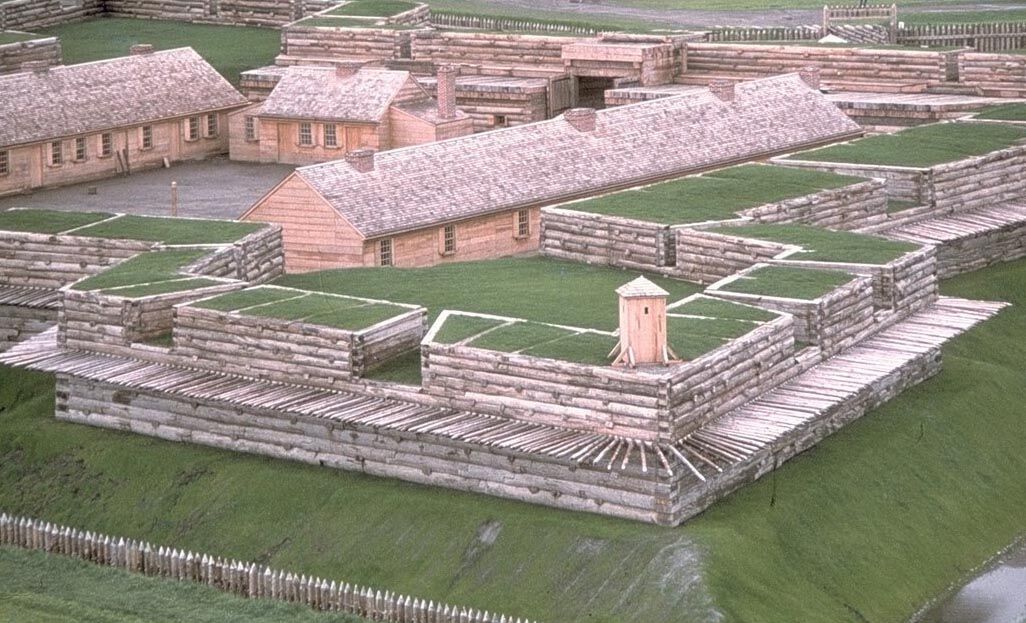
This bold, complex plan for the 1777 campaign aimed to restore momentum toward achieving ultimate victory. Obstructing St. Leger’s force at the head of the Mohawk River in western New York would be the British-built French and Indian War-era wood and earth Fort Stanwix, which had been abandoned after that conflict ended. As the War for Independence developed, beginning in 1776 the fort had been substantially rebuilt and garrisoned by Continental Army troops to help relieve the growing fears of both Indigenous and white residents of the Mohawk River Valley. When St. Leger’s British troops, Hessian auxiliaries, New York loyalists, and Indigenous allies reached the headwaters of the Mohawk River early in August 1777, they confidently attacked and laid siege to Fort Stanwix, garrisoned by the 3rd New York Regiment and several smaller units. The successful defense of the ensuing three-week siege delayed St. Leger and ultimately forced his retreat without materially diverting any of the American troops preparing to oppose Burgoyne. The victory by the suffering but gallantly stubborn defenders of Fort Stanwix helped give new hope to the Revolutionary cause and contributed to the momentous surrender of the Burgoyne’s forces at Saratoga in October.
Defending Fort Stanwix: A Story of the New York Frontier in the American Revolution, William Trent House, 15 Market Street, Trenton. Saturday, January 11, 2 p.m. Free; free parking on site. 609-989-3027 or www.williamtrenthouse.org.
Defending Fort Stanwix: A Story of the New York Frontier in the American Revolution, $32.95. For more on the author: wlkidderhistorian.com.