As outlined in my post-special election statement on March 11, school funding is deeply important to many in our community, and I want to thank everyone who took the time to stay informed, engaged and participate in the vote.
Regardless of where residents stood on the public question, one thing remains clear: Robbinsville students and our three schools remain an important thread in the fabric of our community, and as a Township we will continue to find ways to support them when and where we can.
Because the challenges facing our school district did not disappear following the results; in fact, the issue was exasperated by another $300,000 cut by the State, it is important for all of us to continue working together to find responsible and sustainable solutions.
That effort began immediately with a March 11, 2026, letter to our District 14 legislators – Senator Linda R. Greenstein, Assemblyman Wayne DeAngelo and Assemblywoman Tennille McCoy – co-signed by me and Superintendent Dr. Patrick Pizzo requesting additional support during this ongoing budget crisis. We respectfully urged our legislators to advocate for more immediate assistance in the possible form of supplemental state aid, adjustments to the current S2 funding model or other measures that recognize the unique pressures facing fast‑growing suburban districts.
As municipal and educational leaders, we share a commitment to protecting the high standards that define Robbinsville’s schools – standards that have long attracted families, strengthened our local economy, and served as a source of community pride.
The potential loss of programs, staff, sports and possibly students would jeopardize Robbinsville’s long-term stability and growth.
While Robbinsville has demonstrated long-standing local support for its schools, the ability of taxpayers to absorb further increases appears to have been stretched to its maximum, and continued reliance on local property taxes alone to fix the problem is not a sustainable solution. In brainstorming legislative ideas that would not only benefit Robbinsville, but all schools around the State of New Jersey, Dr. Pizzo and I suggested the following potential legislative solutions:
For School Districts under adequacy, allow provisions for those districts to go 2% over cap until adequacy is achieved.
This ensures that all students have access to the minimum funding necessary to support a Thorough and Efficient education. This provision would be available on an annual basis and capped at the current adequacy amount attributable to each district. Once a district reaches adequacy, the provision will no longer apply.
Add exceptions to go outside of the cap for inflation and teacher contract agreements.
School districts, like any other entity, require a predictable mechanism to generate sufficient revenue to meet cost increases associated with the annual Consumer Price Index (CPI). Tying the tax cap directly to CPI would eliminate the need for districts to bear the financial costs, administrative burden, and community tension associated with recurring public questions.
Reduce the State mandated savings target from 3% to 2% when it comes to restructuring debt.
At a time when numerous school districts are in financial peril, this change alone would have a large impact on many school districts throughout District 14 and beyond.
Increase Special Ed Aid to districts.
Request the State provides 100 percent reimbursement for extraordinary Special Ed students, which is currently funded at 52 percent … and falling.
State budget Resolution. Now that the public question failed, the district is forced to consider eliminating all sports and clubs, which would save approximately $1.1 million. We requested a State Budget resolution to help save sports and clubs for one additional school year.
On March 18 reason for optimism came in the form of Bill A4750, which was introduced by Alex Sauickie (LD-12).
In summary: “Bill (A4750) would appropriate up to $50 million to be distributed to qualifying school districts that have been forced to raise property taxes by more than 9.9 percent combined over the past two years.
According to the description, the bill would have a direct positive impact on Robbinsville as our residents have faced an 11 percent increase in school property taxes over the past two years – well over the proposed threshold. I have asked our LD-14 legislators to conduct further research and determine whether they could endorse this initiative as a non-partisan effort.
As you can see there are no easy answers to this ongoing dilemma, but we are committed to working together to do what is best for our students, dedicated teachers and the taxpayers of Robbinsville Township.
Mike Todd is the Mayor and Director of Public Safety for the Township of Robbinsville.
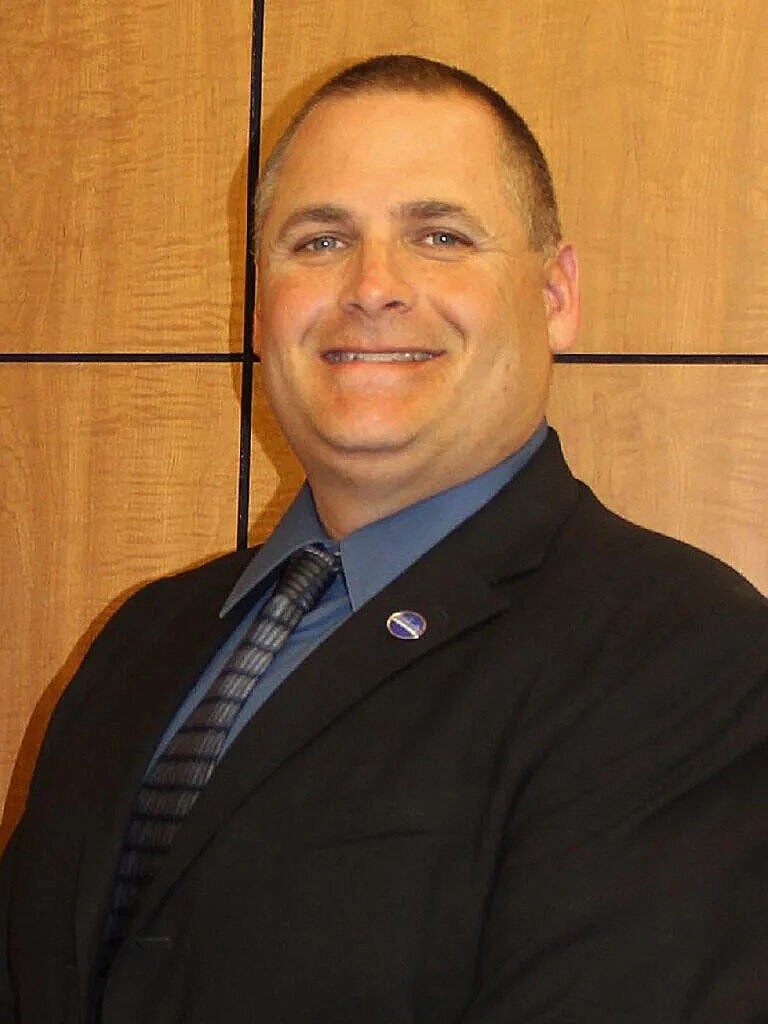
Robbinsville Mayor Mike Todd.,

