Lawrence Township Council was expected to approve its 2025 municipal budget following a public hearing on April 1.
The $60.4 million municipal spending plan focuses on bolstering public safety, reducing debt, and maintaining essential services, all while holding the municipal tax rate steady for the second consecutive year.
In his budget message, Municipal Manager Kevin Nerwinski highlighted the township’s fiscal discipline and strategic planning that have allowed it to weather economic uncertainties without burdening taxpayers with increased taxes.
“We continue to enjoy a favorable financial situation that allows us to provide (and improve upon) the essential services our community deserves and expects from their local government,” Nerwinski said.
The township is consistently working to lower its debt, grow its surplus, and enhance public safety by adding more personnel, Nerwinski said. It remains committed to a proactive and forward-looking capital improvement plan while presenting a budget that.
“Where we find ourselves today isn’t by happenstance,” he said. “It is from a consistent, fiscally responsible approach to governance over the past eight years and the good work of the employees who serve our community.
The township remains in a strong financial position, which enables it to deliver and enhance vital services.
“Our current standing is no accident; it is the result of a steady and fiscally responsible approach to governance over the past eight years,” Nerwinski said.
One of the standout features of the 2025 budget is a focus on public safety, with plans to add three new police officers and three new firefighters. The staffing increase is aimed at enhancing the township’s emergency response capabilities and ensuring the continued safety of residents.
The budget also covers the hiring of 11 dispatchers as part of the transition to an in-house 911 dispatch service. There is no expected increase in annual costs associated with the change.
In addition to hiring new personnel, the township has also increased its annual contribution to its three volunteer fire companies by $10,000 each, bringing the total annual funding for each company to $70,000.
For the second year in a row, Lawrence Township will see no increase in the municipal tax rate, which remains at 0.652 cents per $100 of assessed property value.
A property owner with a home assessed at the township’s 2025 average of $287,570 will pay $1,874.96 in municipal taxes, a modest increase from the $1,863.20 paid in 2024 due to an increase in the average property assessment.
The township’s total budget of $60.39 million represents a slight decrease from the previous year’s budget of $60.72 million. However, the township plans to raise some $31,000 through property taxes, up by $214,461.81 from 2024. The increase is driven by increased property assessments.
Nerwinski said the township’s sound fiscal management is reflected in its ability to grow its surplus and reduce its debt.
At the end of 2024, the township’s surplus stood at $22.1 million, an increase of more than $1.45 million from the previous year. Of this surplus, $9.3 million will be used as revenue in the 2025 budget, allowing the township to keep taxes low while still maintaining services and making necessary capital improvements.
In terms of debt, the township has continued to make strides. Since 2010, Lawrence Township’s outstanding debt has decreased from $30.8 million to $8.37 million at the end of 2024. The 2025 budget includes plans to reduce debt by another $2.42 million.
While public safety enhancements and fiscal responsibility are central to the 2025 budget, the township also has plans for significant capital improvements, particularly at the Lawrence Community Center.
The budget allocates $1 million to fund upgrades and improvements at the center, a move that will benefit residents and provide a modernized space for community events and activities.
Other notable increases in the budget include $842,628 for salary and wage increases due to new hires and contractual obligations, and an $841,482.40 increase in employee group health insurance costs, attributed to the rising costs of the New Jersey State Health Benefits Program and the addition of new employees.
Under the NJSHBP, employees contribute a percentage of the premium for their applicable coverage, with salary levels guiding these percentage contributions. Employees will contribute a total of $1.4 million toward the cost of their health benefits.
Additionally, the township will contribute $55,000 to the Lawrence Township Unemployment Fund, $120,000 to the Self-Insurance Trust Fund, and $51,000 to the Accumulated Sick Leave Trust Fund, consistent with past contributions.
Nerwinski emphasized the importance of a balanced approach to revenue generation, noting that the township’s budget is supported by four main revenue sources: surplus, miscellaneous revenues, receipts from delinquent taxes, and property taxes. He stressed that these revenue streams are governed by state statutes to ensure the financial solvency of municipalities across New Jersey.
“Failure to craft a budget without sustaining revenues for future use will lead to their diminished support of appropriations and increase the demand for taxation,” Nerwinski said. “This long-term approach has been applied to prepare the recommended budget.”
Surplus revenue, which is primarily generated by fiscal discipline in the prior year, will make up 15.42% of total budget revenues in 2025. Meanwhile, miscellaneous revenues, which include sources such as permit fees and state aid, will comprise 31.34% of total revenues. Receipts from delinquent taxes will account for 1.90% of the budget, with the balance of revenues—more than 51%—coming from property taxes.
Looking ahead, Nerwinski noted that Lawrence Township’s financial outlook is influenced by potential changes in federal and state funding.
One factor that could potentially impact he the township could be the loss of federal funding. Under the recent budget deal approved by congress, New Jersey is set to lose more than $200 million for community projects. That includes about $11 million for 17 projects in Mercer County.
Nerwinski, however, expressed confidence that the township’s conservative budgeting practices and long-term financial planning will allow it to continue providing high-quality services without the need for significant tax increases.
“We were also mindful that our taxpayers will likely have increases from the other public entities funded by them,” he said.
Nerwinski added that, “With this as a backdrop,” the township deemed it necessary and appropriate to limit new non-capital spending to areas that improve public safety and maintain municipal services.
The 2025 budget also maintains the township’s sewer services through the Ewing Lawrence Sewerage Authority without increasing rates for end users. The township will pay $6.2 million for these services, covering costs through separate sewer service fees rather than through property taxes.
The budget also includes a $4.5 million reserve for uncollected taxes, which is a non-spending appropriation mandated by state law to collect adequate cash through taxes for the school, county and municipality tax levy requirements. The appropriation is needed to close the gap between the current taxes anticipated and 100% being collected.
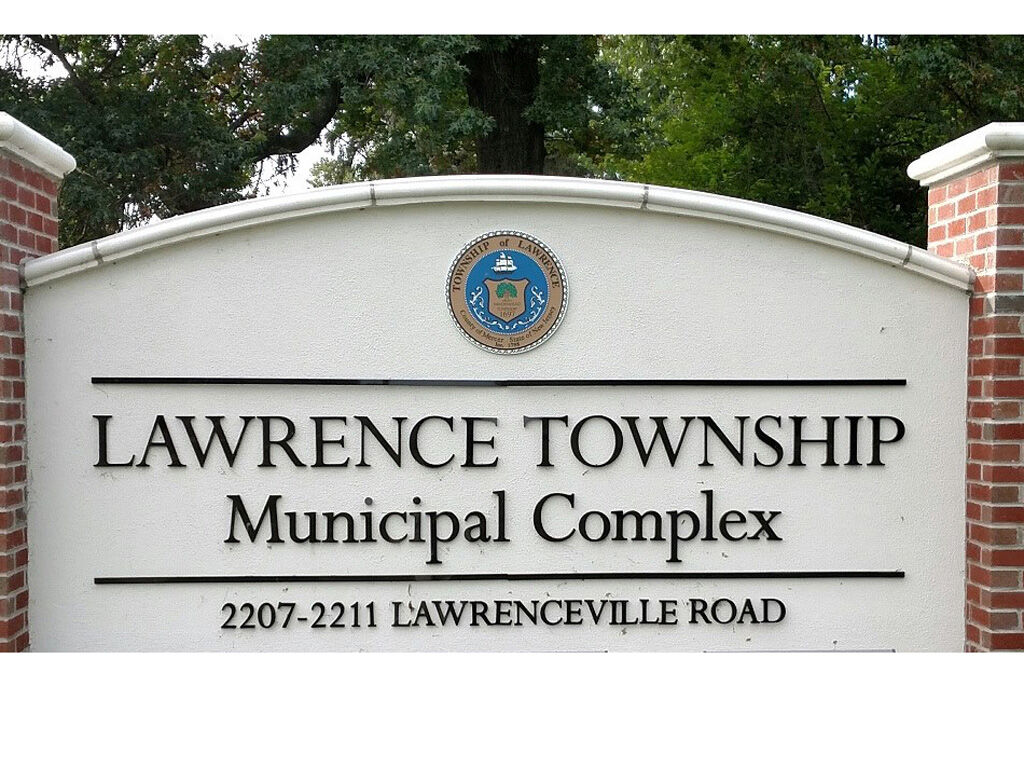
(Facebook photo.),

