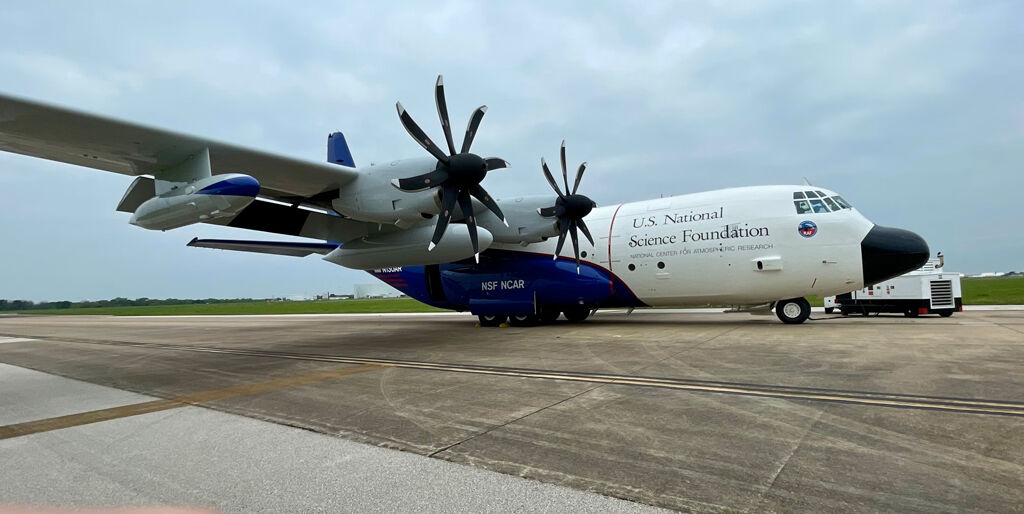
Scientists are using a National Science Foundation research aircraft flying out of Robbinsville Airport to study air chemistry over the New York City metropolitan area through the end of August.
According to an article linked by Robbinsville Township, the GOTHAAM campaign uses an NSF C-130 aircraft as a flying chemistry lab to measure atmospheric composition across the tri-state region, including emissions from forests, traffic, buildings and industrial sources.
Robbinsville Township said it was notified of the missions Aug. 13, after they began.
The flights occur primarily at night and in early morning hours when atmospheric conditions allow researchers to study the boundary layer — the part of the atmosphere closest to Earth’s surface.
Scientists need to fly at low altitudes through airports to collect samples in this critical zone.
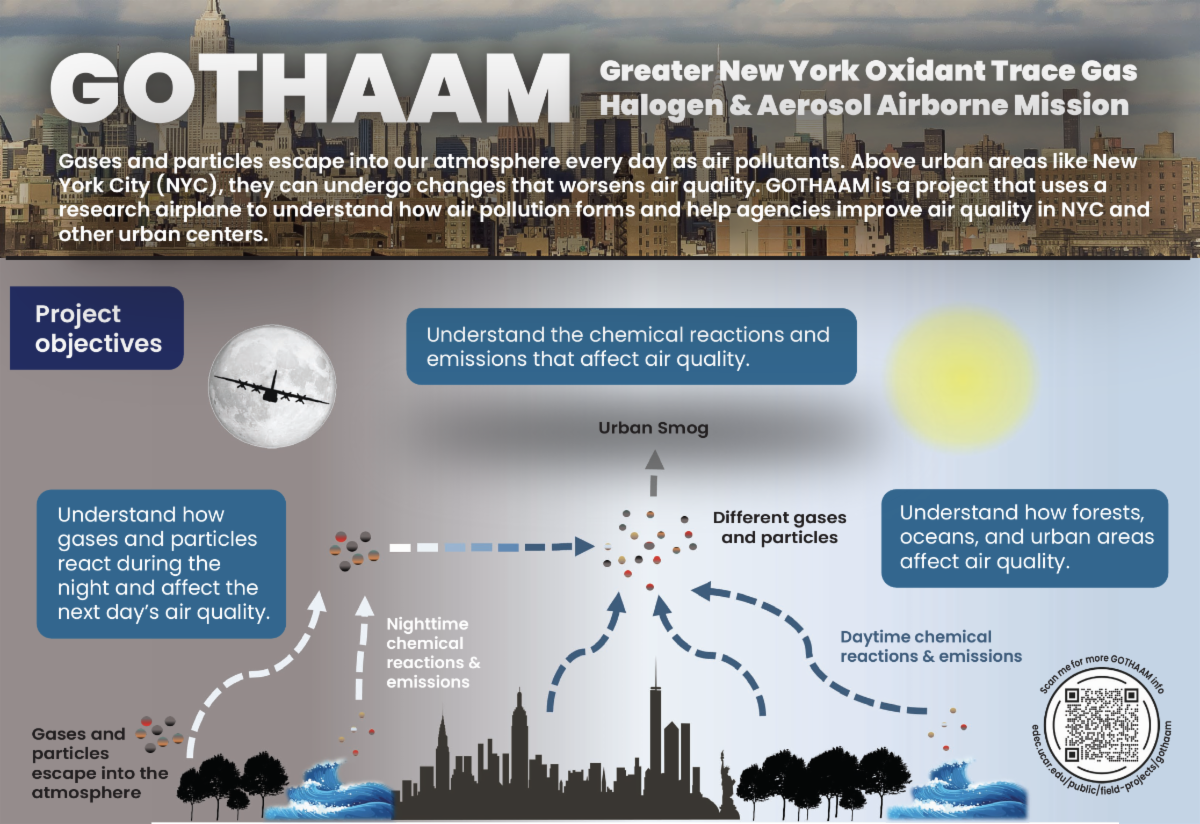
The research focuses on how emissions from New York’s 2.5 million acres of surrounding forests mix with urban pollution to create ground-level ozone and particulate matter that affects air quality for millions of residents. The region has over 60 million people living within 200 miles of Manhattan.
“New York suffers some of the worst air quality in the U.S., and findings from GOTHAAM will help inform decision makers to develop new strategies to address concerns,” according to researchers leading the campaign from Stony Brook University, University of Washington and Colorado State University.
The aircraft carries mass spectrometers that identify hundreds of chemical compounds in real time, particle analyzers and sensors for key atmospheric oxidants.
The equipment allows scientists to track how pollution changes minute-by-minute as it moves between urban, marine and forested areas.
Poor air quality often develops overnight through different chemical reactions than those occurring during daylight hours.
Nighttime reactions can create compounds that build up overnight and release reactive chemicals at sunrise, setting the stage for severe air quality events the next day.
The campaign represents one of the first comprehensive studies of summertime atmospheric chemistry in the Northeast region across the complete day-night cycle.
Most previous aircraft studies focused on western states or examined the Northeast during winter when chemical activity is reduced.
The research aims to better understand volatile organic compounds from car exhaust, industry, vegetation and consumer products that react to form pollutants affecting respiratory health and plant growth.