West Windsor voters will have two slates to choose from in the Nov. 4 nonpartisan municipal election.
Up for election are the mayor and two council seats, each for four-year terms.
Incumbent Mayor Hemant Marathe and his “Proven Leaders for West Windsor” slate are seeking re-election against the rival “West Windsor Together” slate, led by Sujit Singh for mayor.
Marathe and Council Vice President Linda Geevers are running with Joe Charles, a certified public accountant and 17-year township resident, who is seeking a Township Council seat. Singh is teamed with council candidates Ajay Tomar and Andrew Winters.
The six candidates were expected to face off in a forum on Sept. 28, but the event was canceled about a week earlier. West Windsor Forward, the local group that planned the nonpartisan event, said the two sides could not agree on the forum’s rules.
“Unfortunately, despite months of effort, the campaigns for mayor and council were ultimately unable to reach a consensus on the forum’s format,” the group said in a Sept. 18 statement.
The election comes as West Windsor faces pressing questions about growth, affordable housing mandates, traffic congestion, budgeting priorities and environmental sustainability. Both slates have made development and quality of life central themes in their campaigns.
To help inform voters ahead of Election Day, The News asked each candidate to provide a biography and answer a series of policy questions.
The Marathe-Geevers-Charles team submitted individual responses as requested. Meanwhile, the Singh-Tomar-Winters team opted to submit one consolidated response, which The News informed the slate would be acceptable.
All of the candidates’ responses are presented below as submitted, with light editing for style, spelling and readability.
Mayoral candidates
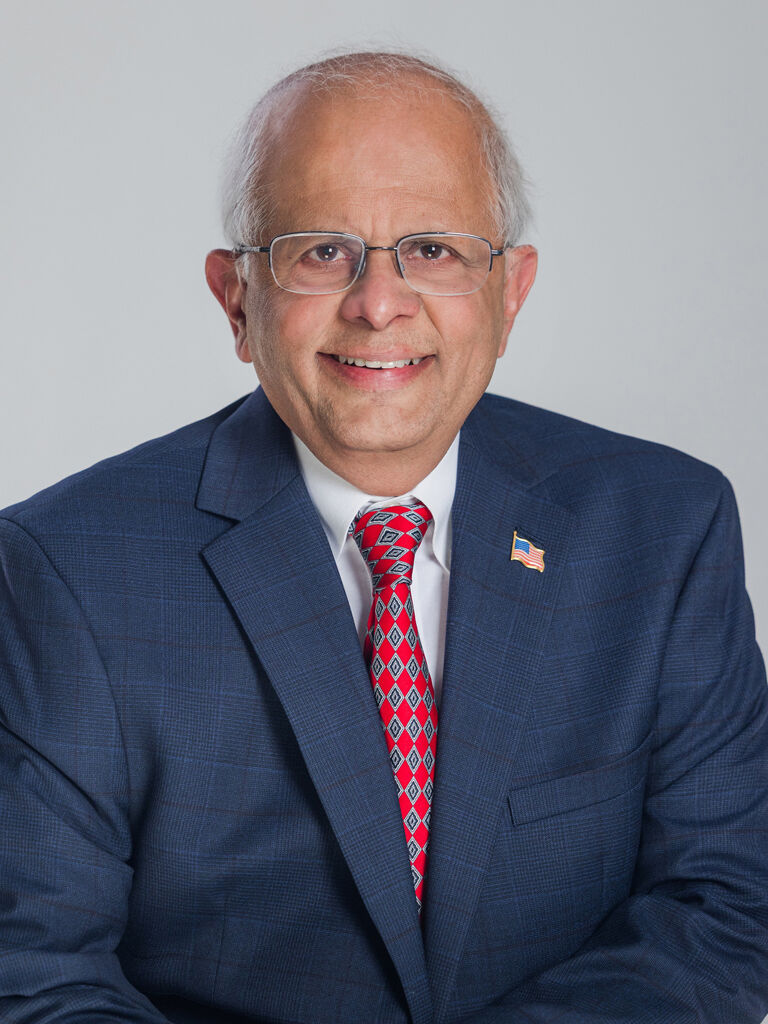
Hemant Marathe and his wife, Punit, have lived in their current home in West Windsor for more than 31 years. The couple has four daughters who graduated from the West Windsor–Plainsboro Regional School District between 1995 and 2015.
Marathe holds a Ph.D. in electrical engineering from the University of Washington, a master’s degree from Virginia Tech, and a bachelor’s degree from the Indian Institute of Technology Bombay.
He has owned multiple small businesses in various fields over the past 35 years, beginning after his graduation from the University of Washington in 1991.
Since moving to West Windsor, Marathe has been active in community organizations. He served with the Dutch Neck PTA beginning in 1995 and later the PTAs at Millstone River School, Village School, Community Middle School and High School North.
He has also been a member of the Lions Club, a recreational soccer coach, and a member of Friends of West Windsor Open Space, the West Windsor Arts Council and the West Windsor Bicycle and Pedestrian Alliance.
In elected roles, Marathe has served as a member and president of the West Windsor–Plainsboro Board of Education, a member of the West Windsor Township Council, and currently as mayor of West Windsor.
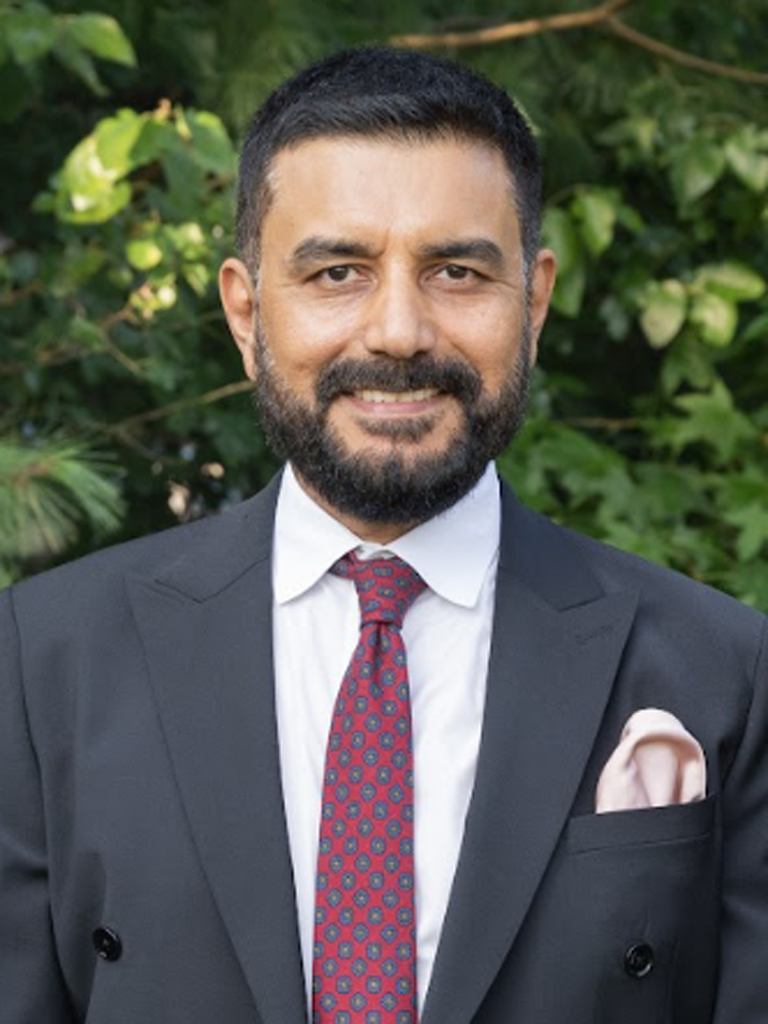
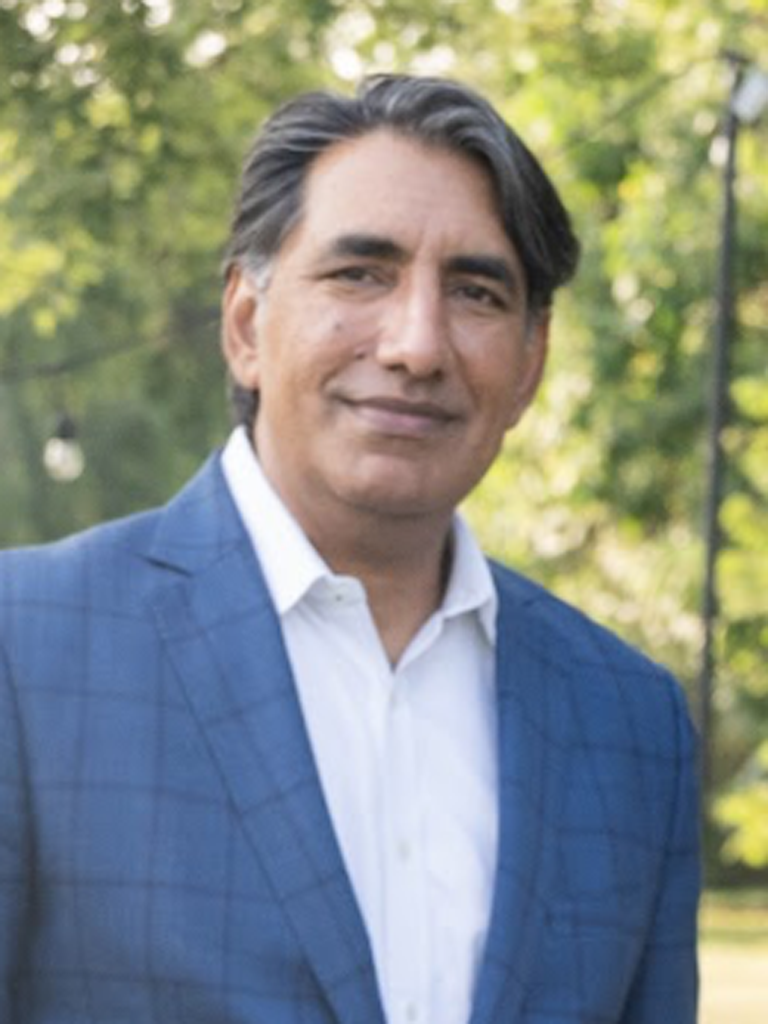
Sujit Singh, 52, is married to Manisha Singh. He lived for 12 years in the Midwest and has lived in West Windsor since 2011.
He earned a bachelor’s degree in electronics engineering from Shivaji University in Kolhapur, India, and holds an entrepreneurship development certificate from the Massachusetts Institute of Technology Sloan School of Management.
Singh has 30 years of professional experience, including business enterprise transformation consulting with Tata Consultancy Services. He also worked with Accenture in technology consulting and in product development at Oracle.
He has been active in community service for more than a decade, serving as a member and board member of cultural and nonprofit organizations, including West Windsor-based Beacon Specialized Living of New Jersey (formerly Enable Inc.), which provides care for individuals with intellectual and mental health disabilities. In that role, he provided strategic guidance and board oversight to senior leadership.
In January 2018, Singh submitted his nomination to fill a vacant township council seat but was not elected. He says he remains engaged in issues affecting West Windsor residents.
Outside of his professional endeavors, Singh enjoys playing volleyball and golf and is active in the local community.
Council candidates
Joe Charles, 51, is a 17-year resident of West Windsor along with his wife, Deborah. The couple has been married for 20 years and has two children in the West Windsor–Plainsboro schools.
He graduated from Lehigh University, where he has been a guest lecturer for the past 15 years and was the keynote speaker for the 2025 accounting banquet for students and faculty. He served on the Accounting Advisory Board for nine years, including two as chair.
Professionally, Charles is a certified public accountant with 29 years of experience in accounting and finance. He is a partner in his firm and deals with challenging issues daily. “I serve as a trusted adviser, people leader, and inclusive mentor,” he says.
Charles has served on the boards of charitable organizations, including the Preservation Alliance for Greater Philadelphia and Young Audiences of Eastern Pennsylvania. Locally, he has been active in youth sports and served as a coach or assistant coach for West Windsor soccer and baseball organizations. He also co-hosted the Little League’s charity fundraising grill for two years.
He and his wife have fostered 15 rescue dogs over the past seven years, two of which they adopted and four that were placed with West Windsor families.
As the vice chair of Keep West Windsor Nonpartisan (“Vote No” effort) in 2024, he advocated for keeping partisan politics out of West Windsor, resulting in a 2-to-1 margin of victory.
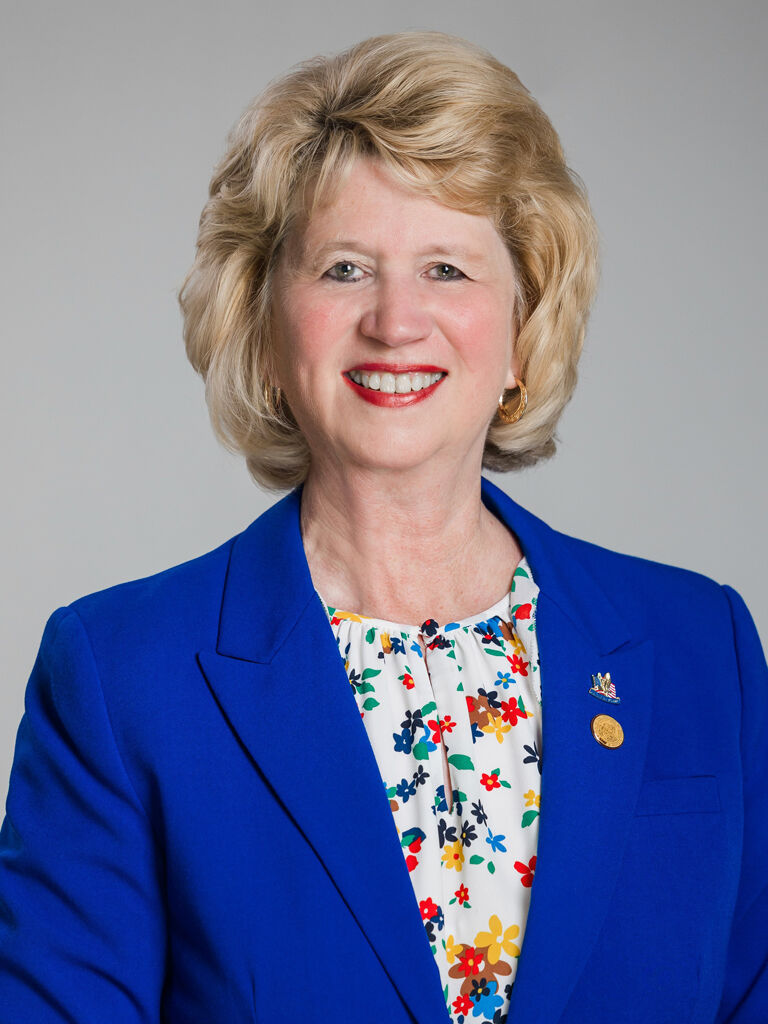
Linda Geevers, 66, has lived in West Windsor for 30 years with her husband, Neil. The couple raised three daughters who attended West Windsor–Plainsboro schools K–12.
Geevers was first elected to the West Windsor–Plainsboro Board of Education in 1999 and was re-elected in 2002, serving in several leadership roles including vice president. In 2005, she was elected to the Township Council, where she has served for 20 years. She has been council president and is currently vice president. Additional service includes nine years on the Planning Board and various liaison committee assignments.
Geevers is a fire police officer with the West Windsor Volunteer Fire Company No. 1. She serves on the West Windsor Lions Club board of directors and was honored with the 2023–24 “Lion of the Year” award in recognition of exceptional service. She also coached girls recreational basketball and belongs to the West Windsor Bicycle and Pedestrian Alliance, West Windsor Arts Council and Friends of West Windsor Open Space.
She holds a residential real estate license in the referral network with Keller Williams Real Estate–Princeton and has worked in radio news as a reporter/producer. Geevers is a graduate of Cornell University with a B.S. in communication arts.
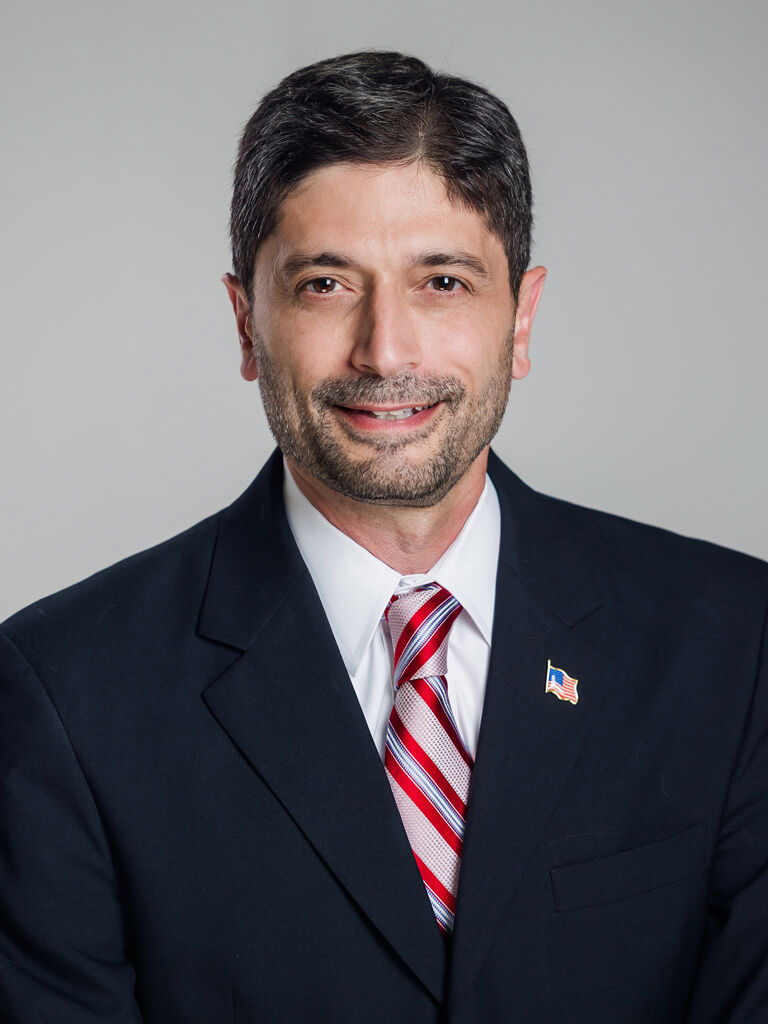
Ajay Tomar has lived in West Windsor/Princeton Junction since 2007. He and his wife, Geeta, have a son who graduated from West Windsor–Plainsboro High School North in 2019.
Tomar earned a graduate degree in business administration from the New Jersey Institute of Technology.
He has more than two decades of experience in technology and business development at companies including Oracle, Smartsheet and Blue Prism.
Tomar has served as a board member and treasurer for Siksha Prayas since 2012, a charity that has helped thousands of underprivileged children stay in school and pursue higher education.
In his free time, Tomar enjoys playing golf and cooking.
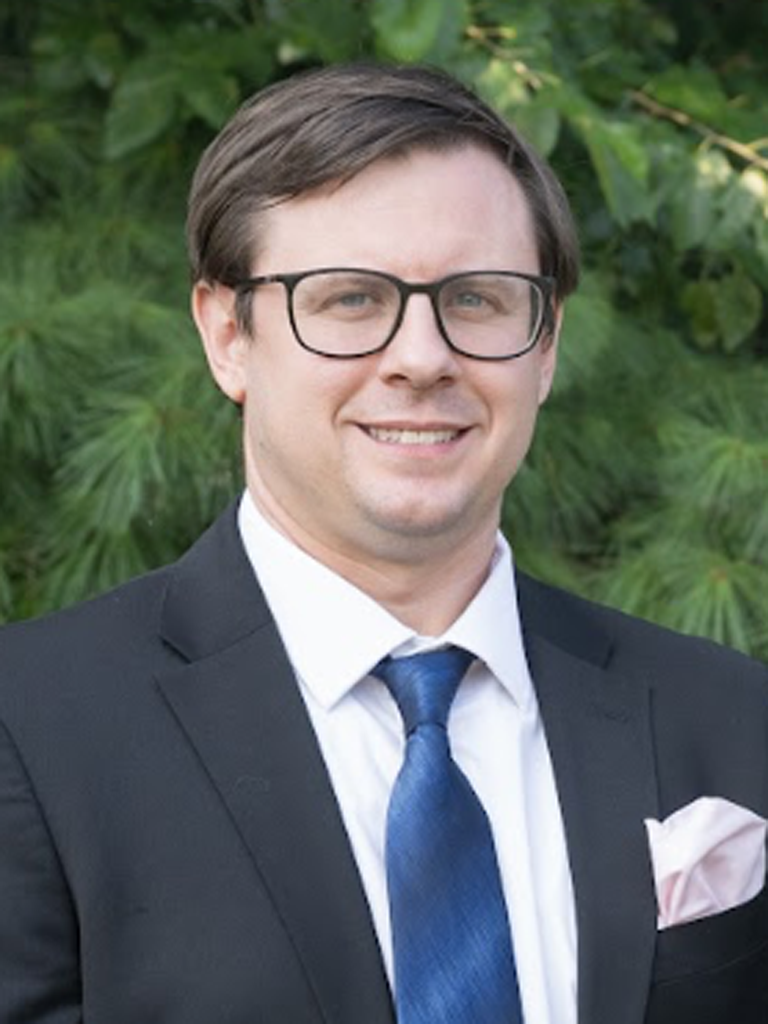
Andrew Winters, 37, grew up in Traverse City, Michigan, and moved to New Jersey after college to begin his career as a consultant. He has since focused on corporate and finance strategy, working on complex challenges with innovative solutions.
Winters lived in Harrison, East Rutherford, Jersey City and Hoboken before moving to West Windsor about 18 months ago with his spouse and two children, ages 6 and 8. Both children are enrolled in the district’s dual-language immersion Mandarin program.
He holds a bachelor’s degree in nuclear engineering from the University of Michigan and an MBA from Duke University’s Fuqua School of Business. He works at Barclays in finance strategy for a U.S. division.
Outside of work, Winters enjoys home improvement projects, tennis, and coaching sports, including ski coaching in the winter.
Candidate Q&A
1. How would you balance the need for economic development — such as commercial, warehouse or housing projects — with concerns from residents about traffic, school capacity and neighborhood character?
Marathe: If given a choice, I would keep new housing developments in West Windsor to a small scale and restrict commercial development to industries that are less labor intensive and along Route 1.
We are preserving neighborhood character by setting standards, as the planning board is doing with Penns Neck and Berrien City.
However, given state mandates and the need to build a certain number of affordable units every 10 years, I have been very proactive. I have aggressively purchased open space, engaged land so less is available for housing, and used all available credits to minimize new housing units.
To address traffic concerns, we hired eight new police officers to increase enforcement. We collaborated with neighbors and the West Windsor Bicycle and Pedestrian Alliance to identify and fix local issues. We added a right-turn lane from Village to North Post Road and banned right turns on red at certain intersections.
Whenever we do a road project, we pay special attention to what can be done to make the roadway safer for all.
Charles: New Jersey is the most densely populated state in the nation, and our town does not need more endless development, sprawl, traffic and higher property taxes.
That said, we are constrained by state mandates and a legal framework that is more favorable to developers than to towns trying to preserve character and maintain open space.
To mitigate the tax burden on residents, we need to balance any future residential growth with commercial ratables that contribute to the tax base.
Geevers: As West Windsor continues to expand, my 20 years on Township Council and experience on the Planning Board have given me the perspective to balance community needs.
I have worked on ordinances, the master plan, annual budgets and various boards and committees, and I strive to listen to residents at public meetings, community events and privately.
There are significant needs for additional police, fire and EMS services, and the township has hired additional public works employees to keep up with park maintenance and tasks like leaf and brush pickup.
With per-student annual costs at about $21,000, we need increases in commercial ratables. Residents have expressed major concerns about taxes, especially those who want to remain in West Windsor after retirement. Attracting businesses helps people of all ages and incomes live in our welcoming, diverse community.
West Windsor Together: Balancing Economic Development with Quality of Life — Economic development must be pursued thoughtfully, with a clear understanding of its long-term impacts on quality of life, infrastructure, neighborhood character, and environmental sustainability.
The colossal Bridge Point 8 was grossly ill-conceived, and ongoing rightful litigation will significantly delay the process and any potential tax revenue from that land. It will bring increased traffic, safety hazards, and environmental pollutants—air, noise and light pollution—without delivering proportionate benefits to residents.
The warehouse on Rt. 571/Princeton-Hightstown Road was built in record time and is an enormous eyesore that doesn’t blend with the character of West Windsor.
Economic gain from warehouses is not worth the sacrifice to a community’s quality of life.
Available data from nearby towns such as Robbinsville, Cranbury and South Brunswick indicate that warehouses generate as little as $0.99 per square foot in tax revenue, including PILOT programs.
The current administration miscalculated grossly. In addition to the Rt. 571 warehouse project, the current administration approved the Bridge Point 8 complex, which aims to have 7 warehouses with 910 loading docks, decimating 64 acres of wetlands. BP8 is still under litigation and missing permits.
The contrast between warehouses and well-designed mixed-use developments is important to address, as the combination of residential, retail, and commercial uses can generate significantly higher tax yields per square foot while requiring far less land—helping preserve open space and reduce traffic congestion.
Rather than paving over farmland, wetlands, and other environmentally sensitive areas for low-ratable, high-impact warehouses, we propose a smarter approach: investing in vibrant, community-oriented mixed-use development that supports both our local economy and makes West Windsor a great place to live.
2. Given the glut of warehouses throughout the state, and the slow office market, what other ideas for development are viable for the township?
Marathe: I took criticism for approving warehouses on the former Howard Hughes property. That difficult decision has turned out to be a win-win because it prevented us from building more than 2,000 homes during the fourth round (of affordable housing requirements). The warehouse market has changed, so it may take many years before those buildings are constructed, if ever.
We have been aggressively pursuing an indoor sports facility for soccer, cricket and pickleball. I discussed this early in my first term with the West Windsor Soccer Association. We have had advanced discussions with commercial developers, and I am confident West Windsor will see a sports facility sooner rather than later.
We are working with Princeton University and the New Jersey State AI Hub, based in West Windsor, and have interacted with many companies and individuals interested in working with the hub.
We remain attractive to small businesses. Most of our commercial and retail establishments survived the COVID-19 pandemic. For the first time in West Windsor’s history, we have two fine-dining establishments—Seasons 52 and Eddie V’s—and a planned Fogo de Chão.
Charles: Industries that may be desirable include pharma/life sciences, medical, technology/AI, sports facilities and restaurants/retail. These can diversify ratables and better match community needs than additional warehouses.
Geevers: Artificial intelligence businesses and research are a strong match. The AI hub on Alexander Road is a collaboration between Princeton University and the State of New Jersey to support new innovators and drive long-term growth.
Along Route 1, Eddie V’s has opened at MarketFair, and a Fogo de Chão and Chick-fil-A are anticipated behind the new Wawa. There is popular demand for additional athletic facilities for indoor and outdoor sports.
West Windsor Together: Viable Alternatives to Warehouses and Offices —With a statewide oversupply of warehouses, far too many standing vacant, it’s imperative to apply creative, innovative solutions in development that will enhance the daily life of those in West Windsor.
Our town lacks vibrant social and dining spaces: places where families and neighbors can gather. We need walkable and bikeable hubs that include restaurants, cafés, specialty retail, and local businesses, fostering a sense of community.
We will promote hospitality, wellness, and recreational businesses that are environmentally responsible and economically beneficial. These establishments not only provide higher ratables but also create jobs and attract visitors, all while building the spirit and sense of community in West Windsor.
We will support, advocate, and facilitate NJ AI Hub (njaihub.org/) in West Windsor Township. It will bring diverse, high-value ratables to enable more jobs in the region and stabilize taxes.
3. All towns in New Jersey must meet affordable housing obligations. What is your opinion of the town’s plans to comply while preserving quality of life?
Marathe: I was elected to council at the end of the third round and learned from that experience. As mayor, I planned for the fourth round (2025-2035) by engaging large parcels so we would not be forced to build a large number of housing units.
By approving development on the former Howard Hughes property, we reduced our fourth-round obligation by about 500 affordable units, or 2,000 total units. The state initially wanted 661 units; we reduced that to 480 in the first court hearings and are currently arguing that the real number should be 238.
For the fourth round, we selected sites that take advantage of bonus credits while minimizing disruption to existing residents. Careful planning has allowed compliance while minimizing impacts on quality of life.
Charles: This is a critical long-term issue. State-mandated obligations are based on macro-level formulas that do not fully account for roads, traffic and schools. Some towns simply accepted the state’s number. That was 661 units for West Windsor.
Assuming we integrate residents into the community and keep projects economically viable without local subsidies, West Windsor has historically aimed for 20%–25% affordable units in new developments. At 25%, 661 affordable units implies 2,644 total units—bringing significant traffic, student growth and service costs that residential taxes alone won’t cover without corresponding commercial development or higher property taxes.
The Planning Board thoughtfully reviewed the state’s numbers—which can be flawed—and proposed 238 units. I read the 108-page plan and attended the Planning Board/Council meeting where it was discussed.
Residents near Alexander Road/Canal Pointe Boulevard raised concerns about a specific proposal there; those concerns need to be addressed. Overall, the plan is a well-reasoned response. While 238 may face litigation, the approach is sound.
Geevers: In June, the Planning Board met the statutory deadline and unanimously adopted the housing element and fair share plan after a public hearing, and the Township Council unanimously endorsed it by resolution. The plan was carefully crafted by the administration and was generally well received.
For example, it repurposes the existing Bristol Myers Squibb building near Nassau Park, allowing bonus credits for affordable units constructed on previously developed sites. Another site in Carnegie Center will benefit residents who want to live and work nearby. Other sites have minimal impact on surrounding areas, support retail, or provide a group home for developmentally disabled individuals. Fourth-round sites are distributed to avoid further impacting areas being built for third-round obligations.
West Windsor Together: Affordable Housing and Preserving Community Quality — We recognize the importance of fulfilling our state-mandated affordable housing obligations, but we must do so in a way that safeguards West Windsor’s infrastructure, schools, and neighborhoods. Our approach will be phased, data-driven, and sensitive to the local context.
We will work closely with planners to distribute affordable housing projects equitably across time and space, ensuring they integrate seamlessly with the community.
Preserving open space, traffic flow, and school quality is non-negotiable. We can meet our legal obligations without compromising our values, and we will do so in an engaging, transparent manner with the community.
Affordable housing is misunderstood by too many. AH is for a diverse population including young professionals, young families, seniors, teachers, EMT workers, firefighters, and police officers.
They are integral to our community, and extending affordable housing to them not only enhances our town’s appeal but also promotes a great sense of community.
4. What are your top priorities for addressing traffic congestion, especially along Route 571, Alexander Road and the Penns Neck corridor?
Marathe: Traffic congestion correlates with housing development. The most effective way to control it is to limit new housing. Traffic would be far worse if 2,000 homes had been built on the former Howard Hughes property, or if the 575-apartment complex on Route 571 had been approved.
I am committed to building the Penns Neck bypass and the Vaughn Drive bypass. The first phase of Vaughn Drive is operational and allows Avalon residents to go directly to Alexander Road, and we are working to connect it directly to Vaughn Drive. My record on Vaughn Drive should give residents confidence that the Penns Neck bypass will be built.
On Washington Road, we worked with the county to make it more bicycle- and pedestrian-friendly. The plan is for a single lane in each direction with a center turn lane and bike lanes between Cranbury and Clarksville Road. The project is funded and expected to start in 2026.
Charles: I’ve knocked on doors in the Route 571 area. The initial Vaughn Drive bypass opened very recently, providing another connection between Route 571 and Alexander Road so traffic can reach Route 1 via Alexander instead of Route 571.
A phase-two Vaughn Drive bypass is planned to create a more direct connection. If the Sarnoff property is redeveloped (previously approved for office, R&D and a hotel conference center), the goal is a new Penns Neck bypass connecting the Route 571 circle by the Avalon development to Route 1 near Lower Harrison Street. That would relieve congestion on Washington Road at Route 1.
On Old Trenton Road, we recently met with leaders at the MCGP to see firsthand how traffic exiting the mosque can be improved through changes to entrance/exit flow.
Geevers: Traffic on Washington Road (a county road) is being addressed with the new roundabout near the mostly residential development at the train station. Further data may be needed to determine whether a traffic light is justified in Penns Neck to allow left turns onto Washington Road.
When the SRI property is redeveloped, a Penns Neck bypass will be required as part of the application, moving vehicles off Washington Road to a northerly point on Route 1 and alleviating congestion.
In the Berrien City area, Alexander Road speed limits will be 25 mph in both directions upon adoption of an ordinance already introduced by council. Safety enhancements—improved crosswalks and flashing beacons—are being added there and elsewhere. The Vaughn Drive bypass has recently opened, and the Community Development/Engineering Department is considering plans to extend it directly to Vaughn Drive.
West Windsor Together: Addressing Traffic Congestion – Traffic congestion, particularly along Route 571 (Princeton-Hightstown Road), Alexander Road, Washington Road, and the Penns Neck corridor, is a pressing concern for our residents.
Unfortunately, it has been worsened by unwise approvals of high-impact development without sufficient infrastructure planning.
Our priorities include:
• Investing in smart traffic signal technology to improve flow and reduce delays.
• Prioritizing pedestrian and bike safety, including more sidewalks, crosswalks, and bikeways on the following major streets and roadways:
• Review feasibility to build a bikeway on Rt. 571 from Southfield Road to Princeton Junction Train Station.
• On North Post Road from Village Road to Princeton Junction Train Station.
• On Penn Lyle Road from Village Road to Princeton Junction Train Station.
• Advocating for NJ Transit improvements and regional coordination to reduce car dependence.
• Unlike the current administration, which hasn’t participated in the Vision Zero Initiative, we will be committed to the Vision Zero Initiative. A 12-year-old girl and her dog were fatally hit in an accident about two years ago on Rabbit Hill Road and Abbington Lane. Had there been a flashing pedestrian crossing at that intersection, pedestrian tragedies could be preventable. Road safety must be a priority.
• Introducing development impact assessments before any project approval to understand how new buildings will affect traffic and require mitigation.
Traffic isn’t just a nuisance; it’s a quality-of-life issue, and we will treat it as such. Fostering collaborations with regional leaders in Mercer County is a priority when addressing traffic issues.
5. How would you craft a municipal budget that addresses resident needs while minimizing the property tax burden?
Marathe: My experience as school board president and small-business owner has helped minimize the property tax burden over the past seven years. During this time, the increase in municipal taxes for an average home has been about $8 a year. Many taxpayers are unaware of municipal performance because county and school taxes keep rising.
Beyond a tax-increase cap, the state imposes an appropriation cap that restricts spending each year. We have hit the cap every year.
My challenge is prioritizing spending so the highest priorities are addressed. I canceled second garbage pickup during summer months to reallocate funds to higher-priority items such as lights and sidewalk repairs. With the appropriation cap, we cannot do every project residents desire; projects are chosen with input from police and engineering.
Charles: As a CPA, I focus on rational cost-benefit analysis. A prime example is twice-a-week summer garbage pickup, which was changed to once a week this summer.
Continuing twice-weekly service would have meant an increase of $2.92 million over five years vs. $1.78 million by moving to once a week—about a 64% higher increase for just three months. The $1.14 million savings can go to police, lighting, emergency services and other priorities. While unpopular with some, it’s common sense.
In the budget, I will prioritize police/fire/EMS, traffic safety, and bicycle and pedestrian safety over “nice-to-have” items like twice-weekly summer pickup.
Geevers: For the past eight years, municipal taxes have been mostly flat due to Mayor Marathe’s stewardship and council’s diligence. Careful budgeting has come from a needs-vs.-wants analysis using data from the administration.
Council holds public budget meetings with department directors, with time for public comment. Overall tax bills have risen due to Mercer County and school district increases, which the township does not control.
West Windsor Together: Responsible Municipal Budgeting — We are committed to fiscal discipline with transparency. We will prioritize public safety and basic necessities services. Our first step will be a comprehensive audit of the municipal budget, identifying inefficiencies, duplications, and outdated contracts.
We aim to:
• Make smarter spending choices: reduce non-essential costs by at least 5% and invest in the core services our community relies on.
• Explore shared services with neighboring towns to reduce overhead without cutting services.
• The current administration reduced summertime garbage pickup from twice a week to once a week; however, they neglected to be transparent about their decision and where the savings from the reduction in service would be deployed to ostensibly improve other services.
• Introduce a priority-based budgeting model so residents’ needs are met.
Our goal is simple: better results with smarter spending.
6. How will you ensure that township council decisions are made transparently and communicated clearly to residents? What would you improve?
Marathe: West Windsor has been one of the most transparent and communicative governments. I respond to residents by email, social media and phone. I attend town halls and homeowner association meetings to address neighborhood-specific issues.
We have reached out to Verizon, PSE&G and JCP&L on behalf of residents. During my last reelection, an opponent mocked me as “Facebook mayor.” I take that as a compliment and proof of responsiveness.
We are upgrading our website to improve user experience and make it easier to report issues and find information. The new site is expected next year.
Charles: Our government is more transparent than most. Every council meeting is livestreamed and available for playback on YouTube—something other towns and the county do not consistently provide.
I am committed to being transparent and responsive on social media, where the “Peeps” Facebook group functions as a de facto town forum. Our opponents have chosen to ignore resident questions there; I will not.
Geevers: Council holds publicly noticed business meetings, often focused on specific subjects. Public comments are taken at the beginning and end, and during hearings. Meetings are posted on the municipal website and sent via an e-bulletin residents can subscribe to. We also livestream meetings on YouTube for rebroadcast.
I hold monthly open-house hours at the municipal building for residents. Council could consider posting on the website a synopsis of major issues before and after decisions.
West Windsor Together: Transparent and Accountable Governance — Our administration will prioritize radical transparency and genuine community engagement. Residents deserve to know what’s happening in their government and to have a voice in shaping it.
We aim to:
• Launch a West Windsor Civic App for residents to report issues, submit concerns, and receive real-time updates. The community issue list will be reported monthly so the community knows how the municipal administration is responding to concerns.
• Publish quarterly budget updates and project status reports on the township website.
• Hold town hall meetings—in-person and virtually—to maintain open lines of communication with residents.
• Ensure all council decisions are publicized in plain language, with clear rationales and community input reflected.
We’re not here to hide in back rooms. We’re here to serve, with full accountability.
7. What environmental sustainability initiatives—such as open space preservation, stormwater management or green building practices—would you support or expand?
Marathe: I support open space purchases and have pursued them whenever possible, including condemning property when necessary, as with the Hall farm.
The Planning Board adopted a Green Development Checklist to ensure future projects are environmentally friendly; we will update and expand it this year.
We support zero-emission vehicles by encouraging EV charging stations in new developments and have added two EVs to the municipal fleet. We also plan an Adopt a Drain program with volunteers to prevent stormwater blockages.
We are proud of our Sustainable Jersey Silver, SolSmart Silver, Tree City USA and League of American Bicyclists Bicycle Friendly Community certifications.
Charles: Open space preservation is a top priority. Preserving land prevents further sprawl. New Jersey has 1,263 people per square mile—the most in the U.S.—so I will advocate purchasing available parcels, preserving farmland and otherwise engaging land to prevent unnecessary sprawl.
Geevers: I’ve supported adding EVs to the township fleet, Sustainable Jersey Silver initiatives, stormwater improvements to address flash flooding and green building practices for the municipal complex renovation.
We are considering an “Adopt a Storm Drain” program and initial consideration of a township composting program through the Environmental Commission. The township is currently more than 50% preserved open space, and I will continue to support future purchases.
West Windsor Together: Environmental Sustainability and Open Space Preservation – We are deeply committed to preserving West Windsor’s natural beauty and ensuring sustainable growth. Under the current administration, environmentally sensitive areas have been approved for warehouse development, threatening not only ecosystems but also public health and safety.
Our initiatives include:
• Aggressively pursuing the conversion of available properties to Open Space or Green Acres. Roughly 200 acres of land are available in West Windsor that are considered viable for development.
• Revisiting the ordinance that the township adopted to align with the state-mandated Inland Flood Protection Rule. We must elevate the ordinance to meet the highest standards, not the bare minimum (as the current administration did). We will work to incorporate the Watershed Institute’s recommendations to enforce modern stormwater management practices to reduce runoff and flooding now and into the future.
• Promoting green building standards for all future development.
• Investing in tree canopy preservation, native planting, and habitat restoration.
• Exploring solar energy partnerships and EV infrastructure expansion.
• Providing food waste composting services to all residents.
Sustainability is not a slogan; it’s a responsibility to future generations.
8. Are there any other issues residents should know about you or your campaign?
Marathe: I have a 24-year record of public service. I tell it straight about what can and can’t be done and ask voters to judge me by my record. Even if I disagree with you, I will listen, understand your concerns and explain my decisions. Everyone will be treated with respect.
It has been an honor to serve West Windsor, and I hope to earn your vote.
Charles: Our campaign has no ties to outside political organizations, and we do not accept donations from political parties, committees, PACs or super PACs. I am not beholden to outside influence—I have West Windsor’s best interests in mind.
Geevers: I will support funding increases for additional streetlights, repaving deteriorated residential roads and continued funding for sidewalk replacements and extensions.
I ask for your vote to re-elect me to council, and for my running mates—Mayor Hemant Marathe and Joe Charles—for council.
West Windsor Together: Final Message to Residents — This election is about the future of West Windsor—and what kind of town we want to be. The current administration has repeatedly prioritized outside interests, warehouse developers, and short-term revenue at the expense of our residents’ quality of life.
We are running to bring balance, transparency, and vision to West Windsor’s local government. Our slate—Sujit Singh for Mayor, Ajay Tomar and Andrew Winters for Township Council—will bring fresh perspectives grounded in professional experience, community values, and a commitment to serving all residents.
Our campaign is committed to smarter development that protects quality of life, responsible budgeting that strengthens core services, and community-driven leadership that ensures every resident has a voice. With Sujit Singh for Mayor, and Ajay Tomar and Andrew Winters for Township Council, we will deliver fresh perspectives, professional expertise, and a sustainable, vibrant future for West Windsor.
We believe West Windsor can be financially sound, environmentally sustainable, and a wonderful place to live for families, seniors, and future generations—while moving it forward and retaining its charm.
It’s time for a new direction with innovative leaders. Let’s build it together:
Sujit Singh for Mayor, Ajay Tomar for Town Council, Andrew Winters for Town Council!