The American College of Orgonomy is hosting an online webinar on Saturday, April 18 starting at 4 p.m. It is free and open to the public. Registration is required.
Peter A. Crist, M.D., president of the American College of Orgonomy, will talk about emotional reactions to the coronavirus pandemic, how his patients are dealing with it and how as a therapist he has successfully adapted the tools of medical orgone therapy to phone and video sessions.
Following the presentation, Chris Burritt, D.O., will join Crist for a discussion, during which participants will have the opportunity to ask questions live or by online chat.
Crist shared his thoughts about the upcoming webinar in a media release from the ACO.
Q: This is the first public event that the ACO has sponsored since the COVID-19 pandemic restrictions. How did you decide the topic for this event?
PC: It’s an absolute no brainer. The Covid-19 pandemic is on everyone’s mind, so we need to talk with our audience about that. It’s a perfect time to let them know that medical orgone therapy and its principles can help people deal with difficult emotions — whatever the trigger — whether they are patients or not.
Q: What have you seen that the coronavirus pandemic has brought up in people emotionally?
PC: One of my colleagues said it’s like a Rorschach test — the one where people project their own unconscious thoughts and emotions onto abstract inkblots. The pandemic brings to the surface each person’s typical way of reacting emotionally. We see the whole gamut. With some people that’s a tendency to be in a panic, with others, it’s an inclination to be stoic; some people are frantic, others blasé. Orgonomists call this overall way that somebody handles the world and reacts emotionally their character. As with any difficult situation, this pandemic is bringing out each person’s character.
Q: What is different about how medical orgone therapy can help people with their emotions and this situation in general?
PC: We’re always looking at the difference between somebody’s healthy and neurotic emotions. We see healthy emotions as natural spontaneous expressions. But most psychiatrists and therapists see anxiety, for example, as a symptom that needs to be dealt with and controlled. In contrast, we understand anxiety is simply an emotional reaction to an impulse that doesn’t yet have a satisfying outlet.
These days, in the face of uncertainty, you’d expect a lot of anxiety because people want to do something, they want to know what’s going on and they can’t—so they’re left with anxiety. Our approach is to help people—whether it’s with the COVID-19 pandemic or anything else—to stand their anxiety to get through it to find satisfying, healthy ways to vent their feelings.
Q: Are there things from your training in medical orgone therapy that can apply to the general population even if that person is not in therapy?
PC: What I was talking about regarding character is true for everybody, whether they’re in therapy or not. As I mentioned, this pandemic has brought to the surface each person’s character. I’ve used a catch phrase that there is a spectrum between ostriches who stick their heads in the sand, and Chicken Littles who are running around in a panic like the sky is falling. Helping people look at their typical reactions could help them see what they are doing now.
The other crucial thing is that we understand health is based on the extent to which someone experiences satisfying, healthy expression of their feelings and desires. Seeing the need for that, whether the person is in therapy or not, could help them. One of the problems with the lockdowns and the restrictions is that they interfere with natural ways to channel our energy, whether that’s in interactions with other people in love relationships, in work or in physical exercise. Our perspective can help people understand that the most important thing is to find genuinely satisfying outlets for their energy in whatever form they may take.
Q: What do you hope people who participate will get out of this event?
PC: I hope they’ll get a perspective about how this different kind of psychiatry that we call medical orgone therapy can apply to the present situation and in general. I also hope people will use this as an opportunity to look at themselves and see their problems in the way they’re handling things. Now that many emotional difficulties have come to the surface, it would be great if some people decided to work on improving their character in a longer term way. I also hope the participants will gain a perspective that can help them see practical things they can do to manage the anxiety that naturally comes up in today’s situation.
The webinar will last approximately one hour. It will be facilitated by Zoom. Registration is required, and space is limited. Save your seat by registering today: You will be able to participate from a PC, Mac, iPad, iPhone or Android device. There will also be a dial-in only option for those who prefer to listen only.
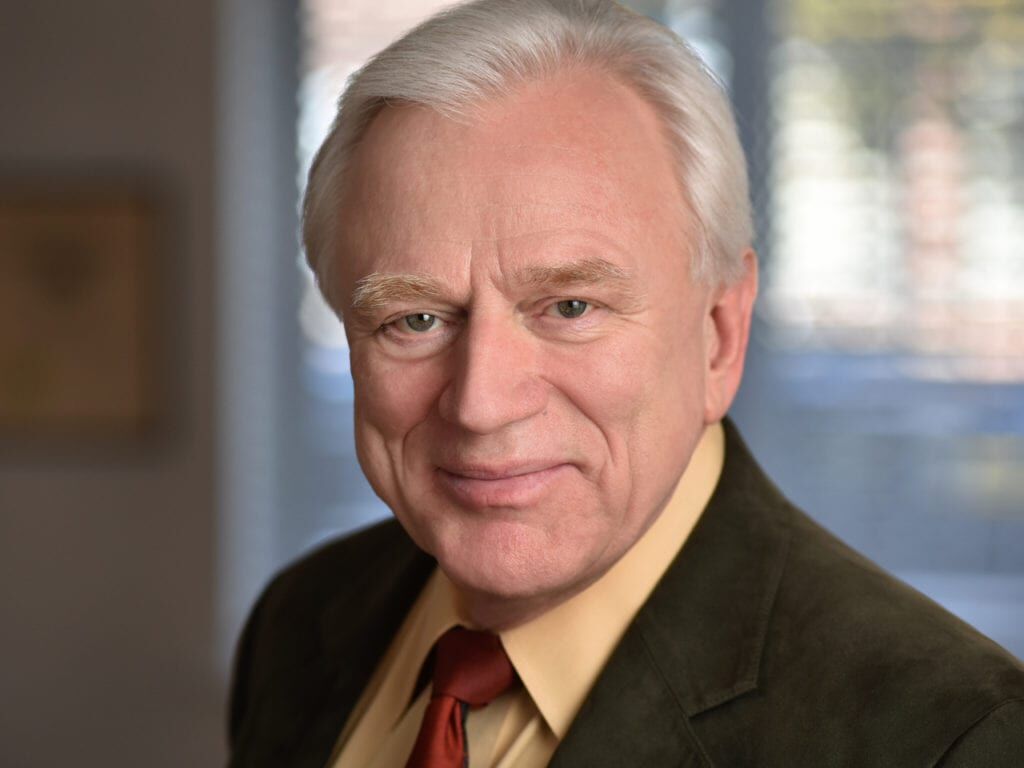
President of the American College of Orgonomy, Dr. Peter Crist.,

