When the Olando family—parents Samuel and Sophie and children Favourlynn, Anigma, Trufosa and Blessed—set off for Kenya last summer, they knew it would be an adventure.
The family traveled to Usula, the village where Samuel was born and raised, to educate and provide for its residents. They left Lawrence in September of last year and returned this spring fulfilled after over half a year sharing their stories and skills with the people of Usula.
“We’re not the first people who have donated to Africa, and we probably won’t be the last people,” Samuel said. “From my experience working with nonprofits, just giving to people may not change them. It may just leave them in the same position. The best way is to help them to realize they are able.”
The family’s top priorities were water and farming. Samuel hoped to promote irrigation and more efficient ways to collect fresh water, as well as introduce new vegetables to the Usula residents. They also wanted to educate the village’s children, especially girls—Sophie said as a child, she was never taught about feminine hygiene or menstruation. She hoped to change that for this generation of young women.
Overall, Samuel said, the trip was a success. Though they weren’t able to make tangible changes to the water collection process, they made real strides as far as crafting a plan.
Water is currently collected through a bore hole, or a well. Children are often tasked with retrieving water with buckets by standing on the ledge that surrounds the well and operating a pulley system, which Samuel said can be dangerous for both kids and adults. He hopes to eventually replace that system with a solar-powered pump, though he says that will require more engineering expertise, time and money than they had available this time around.
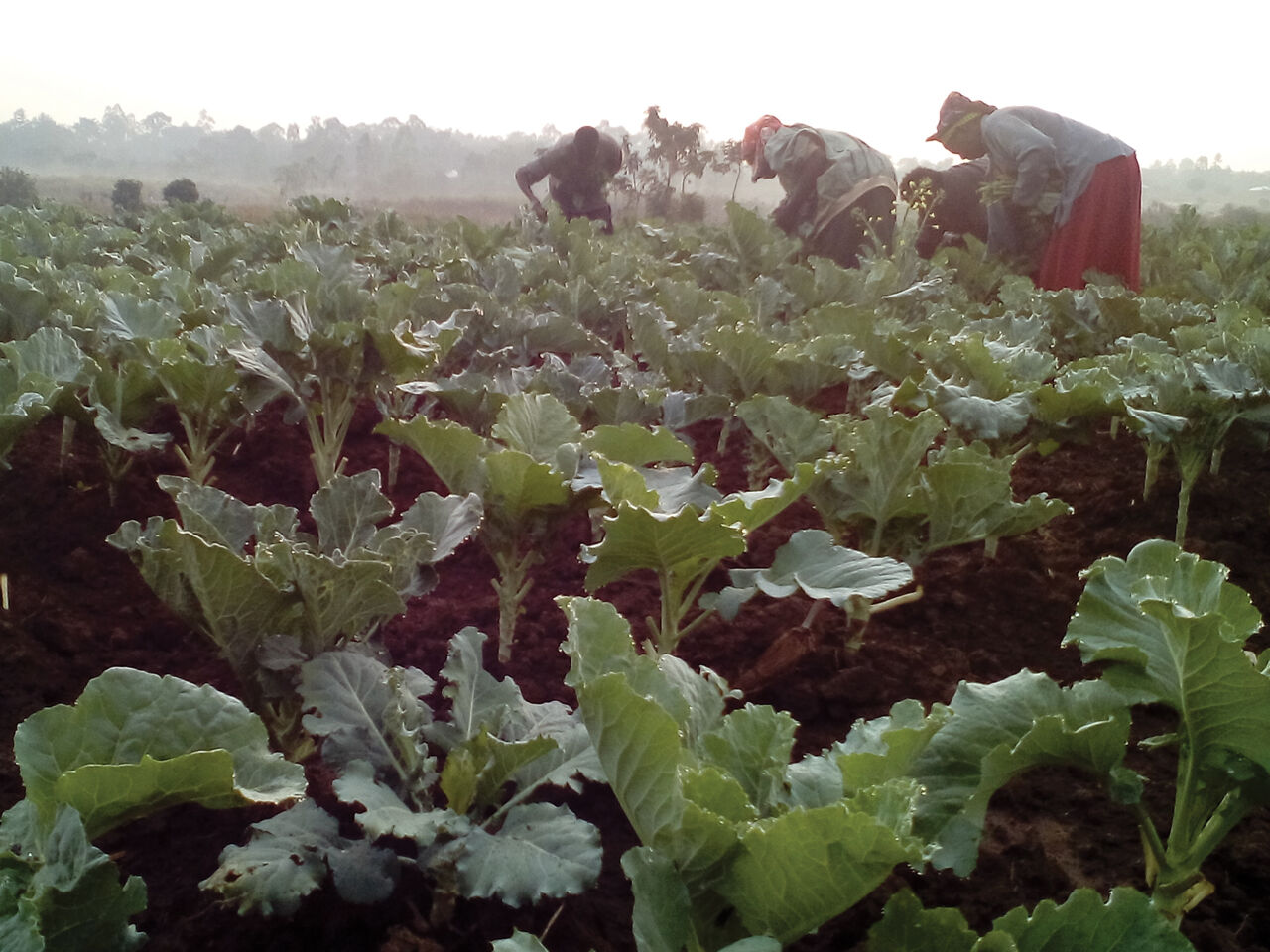
There was palpable change when it came to the village’s farming habits, though. The family helped plant over two acres of vegetables, mostly collared greens, and Samuel said Sophie was instrumental in helping the local women trade the new crops and bring them to area markets.
“We’re going to fight food shortage and food need by working a little more and taking it beyond just subsistence,” Samuel said.
That was part of the mission, he said—teaching, rather than giving. The family set out to show and tell instead of handing out money and other items, especially when it came to farming. The Olandos wanted to make sure the residents of Usula, some of them family and friends, knew how to farm and harvest crop even after they left.
“We said, ‘There were bushes here,’” Samuel said. “We cleaned it up, we organized it, and now there’s something good coming out of it. People do farm there, but what we did was kind of like making people think.”
The trip wasn’t without its challenges, though. The family was met with some trepidation from the people of Usula. They expected the Olandos to come with heaps of money in their pockets, to wear nice clothes, to drive a nice car. But that wasn’t the case.
Adding to that was a heated environment in Kenya when they arrived. It was election season, Sophie said, and the violence in the cities sometimes carried over into smaller villages like Usula.
“It was bad at that time,” Sophie said. “We were kind of fearful because you don’t know what will happen next. I think we knew what we were going to do, and we had to focus on that.”
“People thought we had a lot of money,” Samuel said. “They thoughy, ‘Anybody coming with these kids back to Kenya and staying for that long must be a rich person.’ Some people thought maybe we’re hiding money, or we were illegal immigrants and no longer allowed in the United States. They said, ‘Normal people don’t do this, leave America and leave their jobs. Who does this? Why don’t you just donate to the Red Cross or something?’ And I said, ‘That is the difference. We want to help solve problems.’”
It was discouraging to hear those things, Samuel said, but in the end, the family took those comments and used them as motivation.
“The truth is at the end of the day, those challenges were good,” he said. “We were like, ‘We better get this right.’”
The family hopes to return sometime within the next couple of years and expand their efforts to other locations in Africa.
Ultimately, Sophie said the trip was an adventure for the whole family. They’d all been to Kenya previously, but never as a family for such an extended period of time.
Favourlynn, Anigma, Trufosa and Blessed all enjoyed the trip and adapted quickly, though Sophie says they missed their friends toward the end.
They spent a lot of time with local children and talked about not just the United States, but Lawrence Township, as well. The girls outlined the differences between schools and teachers in New Jersey and Usula, and they even sat in on some classes in Samuel’s old school and visited the church where Samuel and Sophie got married.
“I wanted to make sure they see that connection not just in the United States, but with Lawrenceville, too,” Samuel said.
Sophie homeschooled the girls in Usula since they spent the entire school year there. She’d never done it before, but she had a whole plan sketched out. That was until they arrived and lost power for two weeks.
“We were like, ‘Now, what do we do here?’” She said. “We had some books, so we used books and other materials. That was an experience in itself. Next time, we will think of other things to use in case we don’t have power.”
The Olandos even introduced birthday celebrations to Usula’s residents. Samuel said birthdays aren’t generally a big deal there, but since all four girls had birthdays in Kenya, the family threw little celebrations for them. It was a nice, new experience for the village’s kids.
“This is the time to appreciate them,” Samuel said to some of the parents. “Just give them this moment and let them enjoy the day they were born.”
The family hopes to return sometime within the next couple of years and expand their efforts to other locations in Africa, not just Usula. And they’ll keep their goal of education close to the heart wherever they go.
“That was part of the mission,” Samuel said. “‘I’m back here to tell you that even though I’m in the United States, here, you can achieve something.’”
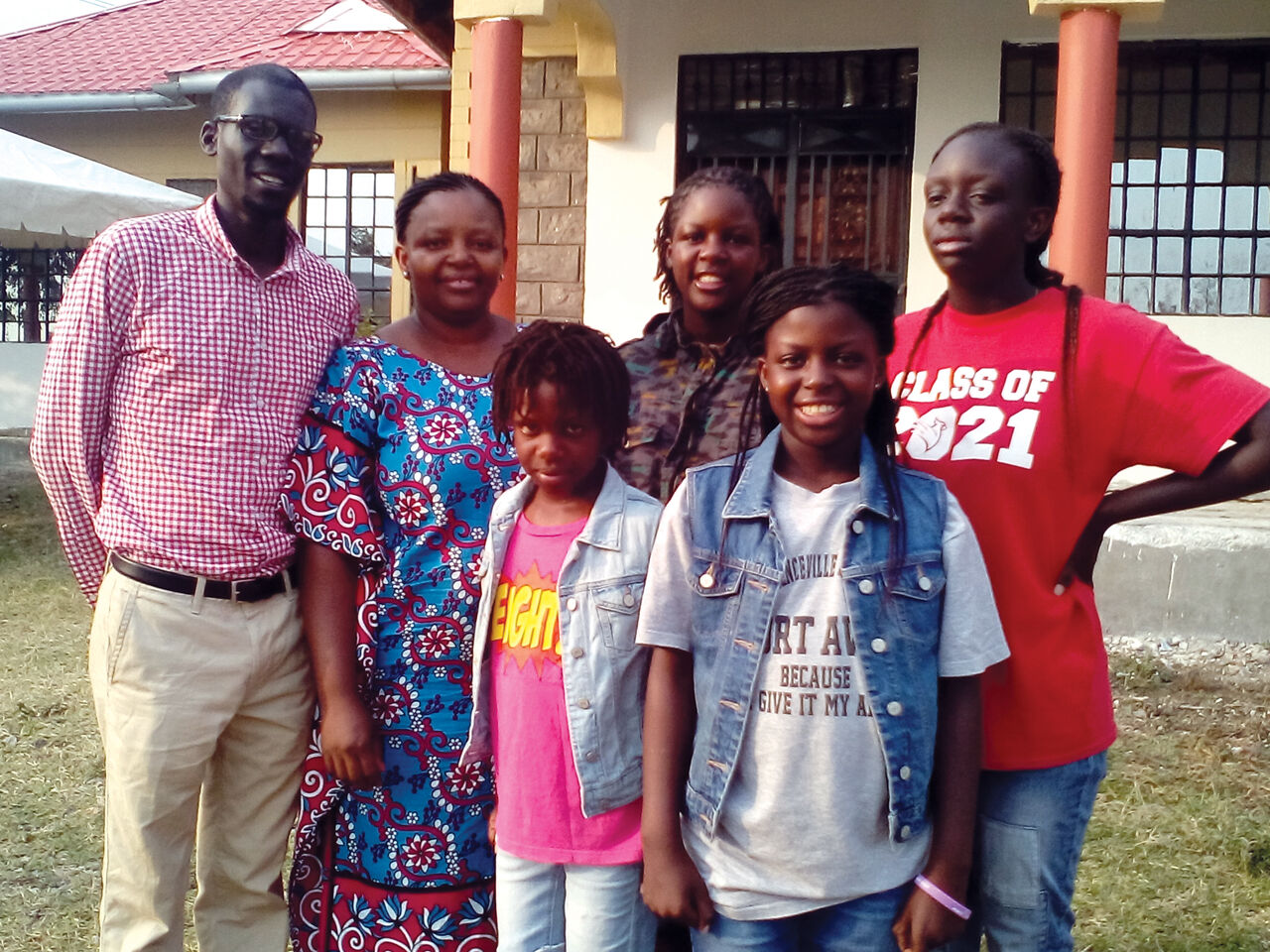
The Olando family—parents Samuel and Sophie and children Favourlynn, Anigma, Trufosa and Blessed—traveled to Samuel’s home village in Kenya to give back to the community. They spent nine months there.,