September is Childhood Obesity Awareness Month, and the Hamilton Area YMCA is helping families improve their eating habits and increase their physical activity through their Healthy U program.
The program is the result of a partnership between The Horizon Foundation for New Jersey and the New Jersey YMCA State Alliance. Through preschool, after-school and school-based programs, Healthy U impacts more than 90,000 children, ages 3 to 13, at 480 YMCA and elementary school sites statewide.
These YMCA after-school and preschool programs and partnering schools are implementing environmental strategies and activities, and education to increase physical activity and promote good nutrition for students and their families.
According to the Centers for Disease Control and Prevention, obesity affects one in six children in the U.S. and one in three are overweight, which poses greater risks for many health problems such as type 2 diabetes, high blood pressure, high cholesterol and some cancers. In New Jersey, nearly one in four children are overweight or obese, according to the Data Resource Center for Child & Adolescent Health.
“Successfully lowering obesity rates in children requires the whole family to change their eating and physical activity habits,” Dan Sczweck, director of staff development at the Hamilton Area YMCA, said. “In our BASE (Before & After School Enrichment) and Y’s Owls Preschool our Healthy U program is included in the curriculum. The goal of Healthy U is to promote the healthy behavior changes that will help prevent childhood obesity through a three-pronged approach of nutrition education, increased physical activity, and family involvement.”
The Hamilton Area YMCA offered the following tips to incorporate healthier eating habits and more physical activity and into your daily family routine:
Eat and drink healthy: Make water the drink of choice and encourage everyone to fill half their plates with fruits and vegetables by offering two or three colorful options at every meal. As a family choose a new fruit and veggie every week to taste together. Place a full pitcher of water on the table during meals, and allow children to pour their own water.
Go outside and play everyday: Children should have at least an hour a day of unstructured play (outside when possible) and break a sweat at least three times a week by getting 20 minutes or more of vigorous physical activity. Join your children in games that get hearts pumping and bodies moving.
Get together: Eat as a family as frequently as possible. Involve kids in meal planning, preparation and clean up. In addition, adults should take a break from electronics and spend one-to-one time each day with their kids, enjoying one another’s company.
Reduce recreational screen time: Time spent in front of a television, computer, tablet, cell phone or video games should be limited to two hours or less per day. Make a family plan to reduce screen time at home. For example, turn off screens during meals, go for a walk, set a timer to remind you to power down the screen.
Sleep well: Kids and adults need to keep a regular sleep schedule; unwind together in the evenings by reading a book or listening to soft music to ensure the body is preparing for sleep. Kids are growing and need 10-12 hours of healthy sleep per night and seven to eight hours for adults.
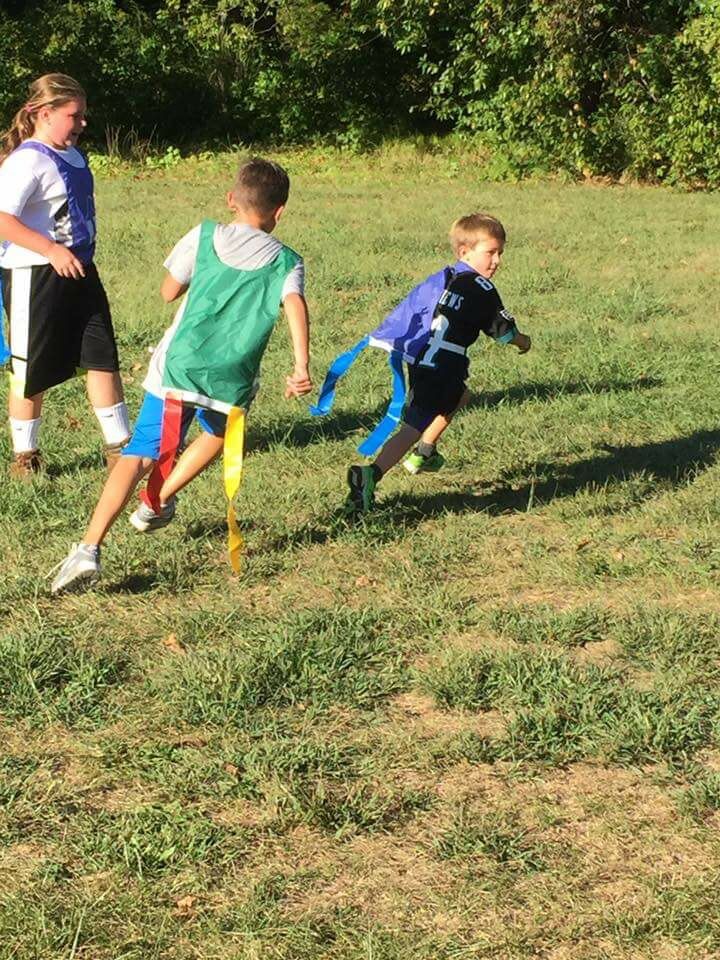
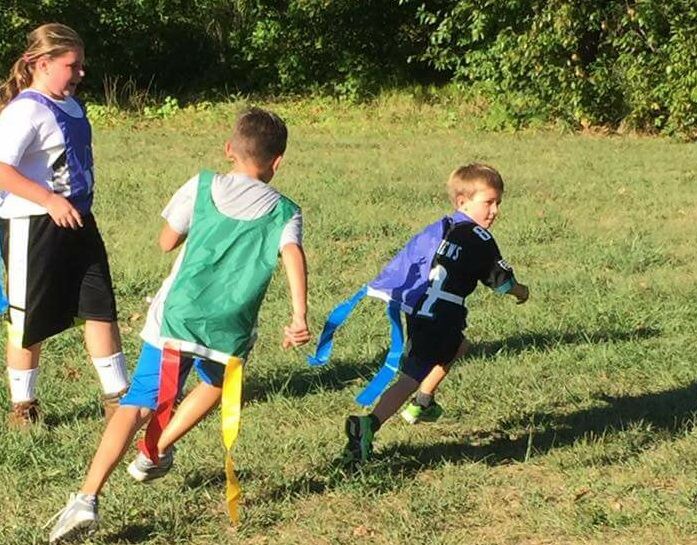
Children play flag football at Alexander Elementary School.,