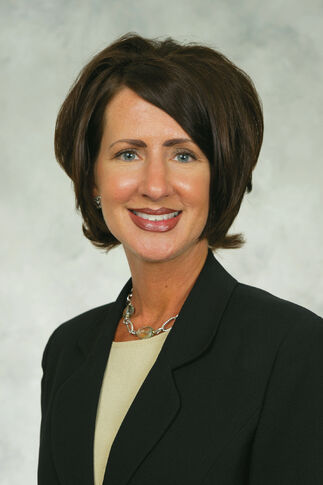
Dr. Lisa Tufankjian
Concerned about your health? Experts from Robert Wood Johnson University Hospital Hamilton are ready to answer readers’ questions. Send your questions to askthedoc@rwjuhh.edu.
Q. What should I know about hormone replacement therapy? I have heard different things about it from women who have been through menopause.
A. There are a number of treatment options available for women experiencing menopause symptoms, and hormone replacement therapy is one of them. Based on your medical history and the severity of symptoms, your doctor can work with you on a personalized treatment plan.
For example, hormone replacement therapy is not advised for women with certain medical histories such as those with breast cancer, heart disease or blood clots. However, it can benefit women with moderate to severe hot flashes or other menopausal symptoms, those with normal mammograms, no family history of breast cancer and those that experience a loss in bone mass.
For many women, hormone replacement therapy is a short-term treatment. Menopause symptoms typically subside over time, and eventually, medication is no longer needed. At that time, a doctor can help decrease doses and help eliminate treatments as necessary.
It’s important to note that most doctors do not recommend long-term hormone replacement therapy use. A study by the Women’s Health Initiative showed that women who were using treatment for more than five years slightly increased their stroke and breast cancer risk.
Overall, hormone replacement therapy can ease vaginal symptoms of menopause such as dryness, itching, burning and discomfort with intercourse. And, some studies show health benefits from short-term use such as protection against osteoporosis, colorectal cancer and heart disease.
If you’re interested in easing menopausal symptoms, talk to your doctor. While hormone replacement therapy might be a good option, there are a number of natural remedies available over the counter that can help as well. These include Remiphemin, Estroven or Evening Primrose Oil which can be taken orally. You may also benefit from incorporating foods rich in soy — such as soy milk, tofu, beans, edamame — into your diet, avoiding caffeine and increasing exercise. These lifestyle changes have been shown to ease hot flashes, mood swings and sleep trouble.
—Dr. Lisa Tufankjian, RWJ OB/GYN Group, Robert Wood Johnson University Hospital Hamilton
This content is intended to encourage a healthy lifestyle. For medical advice and treatment, see a physician.
,

